
Last updated November 22, 2026
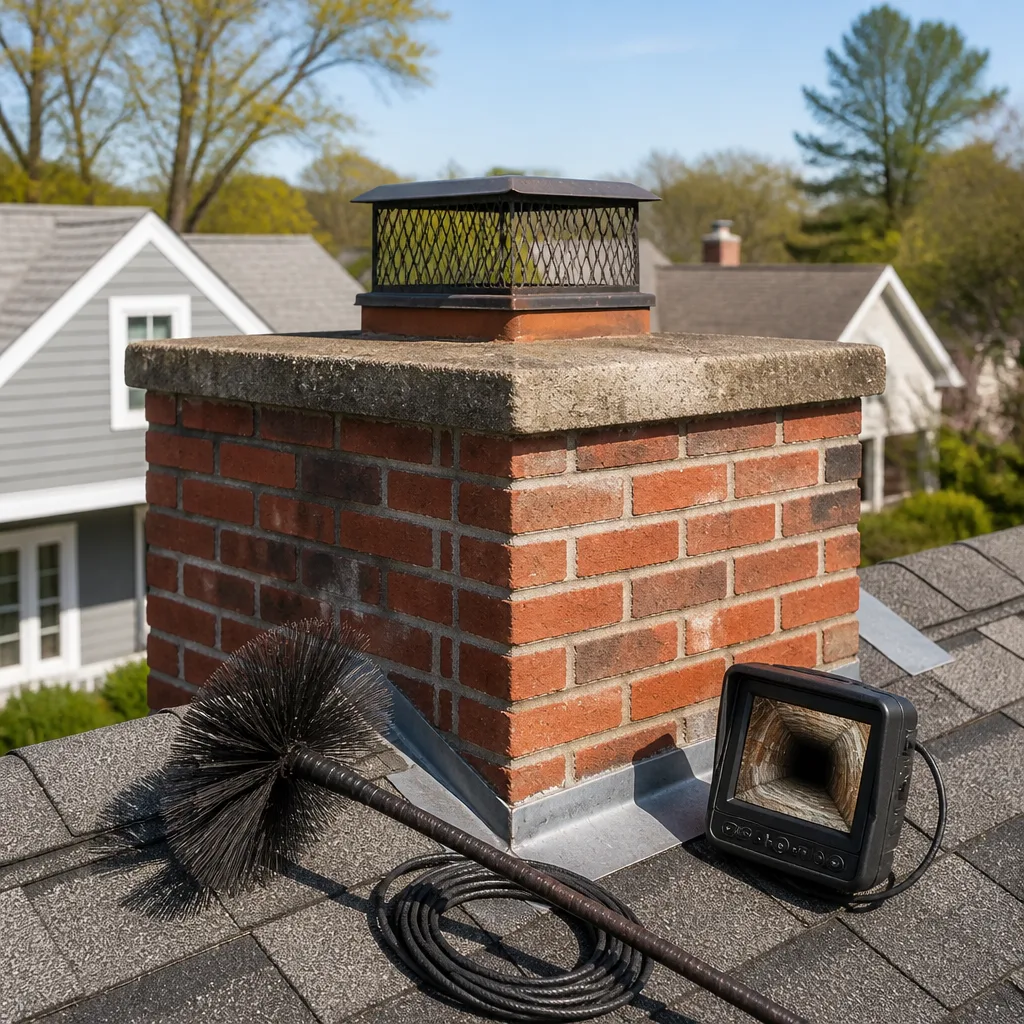 Sweep & inspection
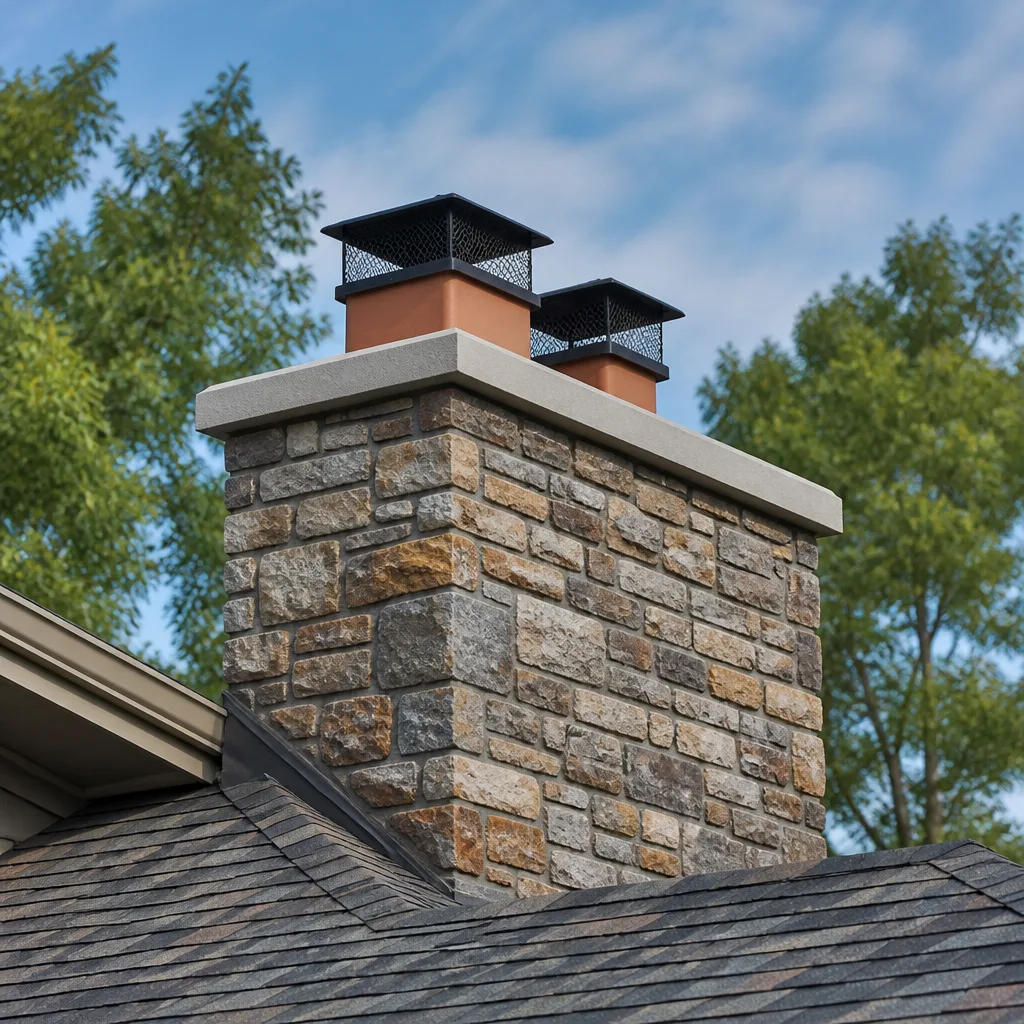 Caps & crowns
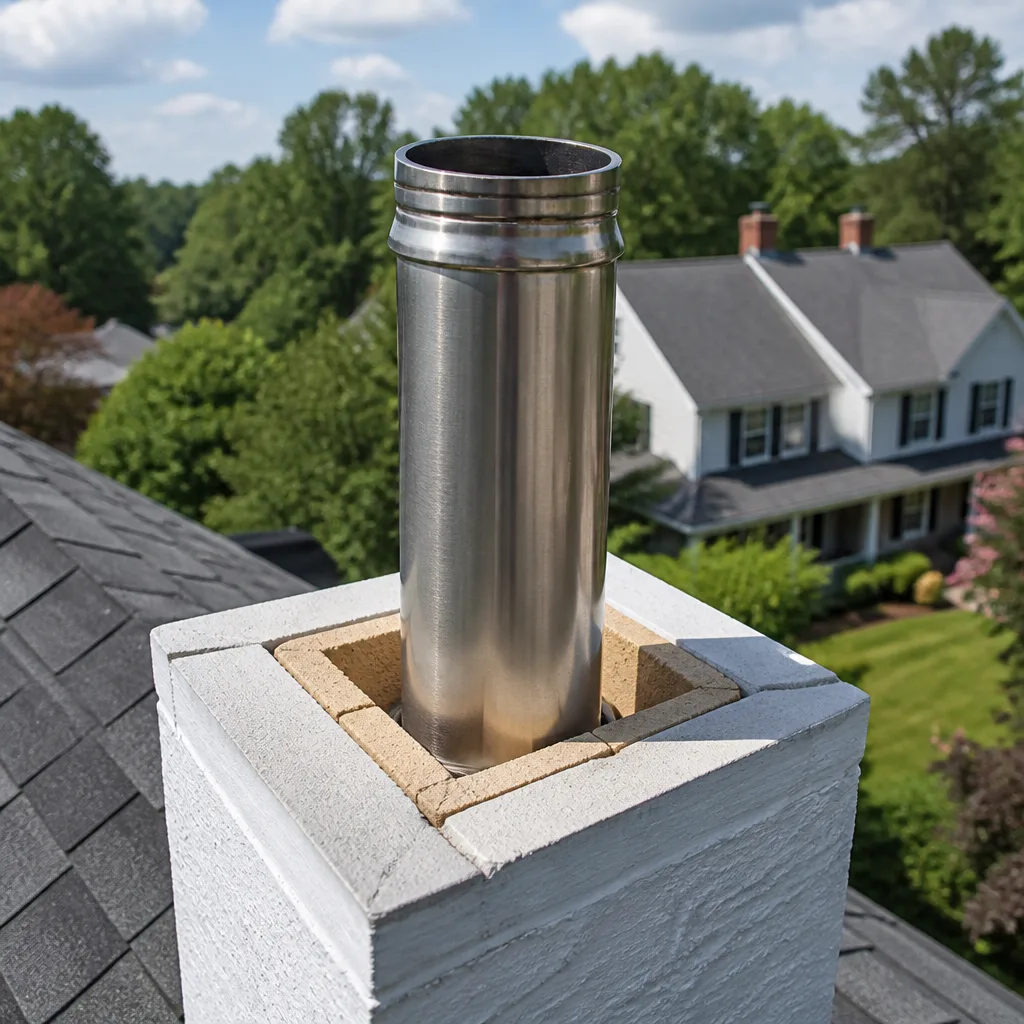 Flue relining
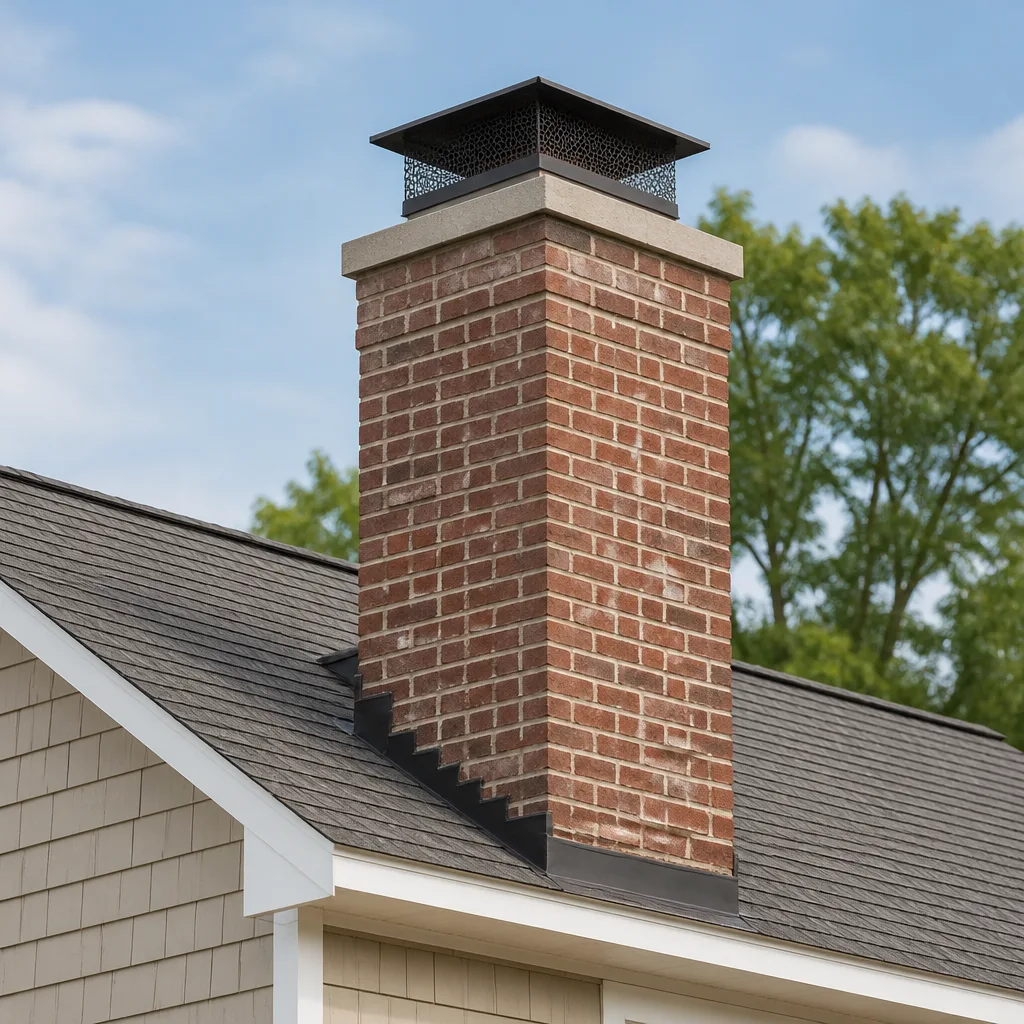 Masonry repair
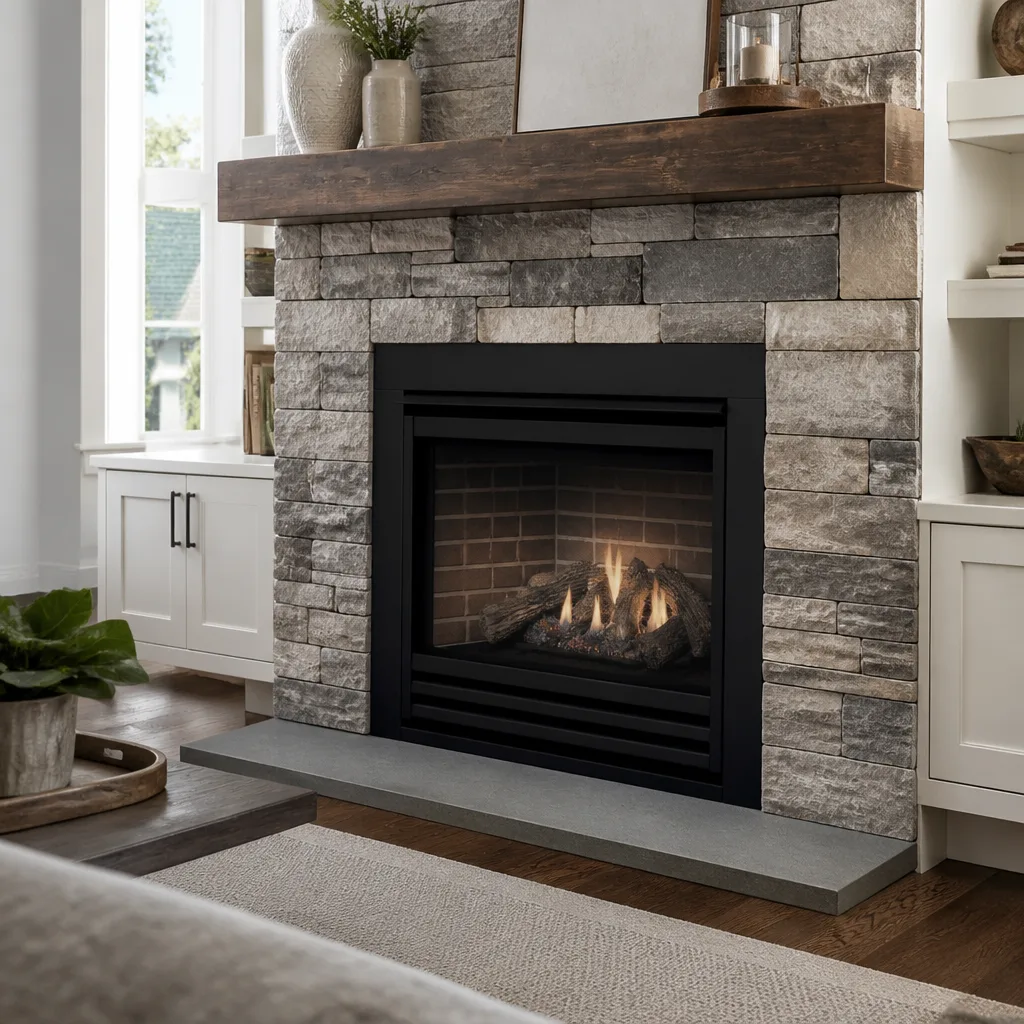 Gas fireplace service
Level 1 sweep and inspection to the NFPA 211 annual standard - flue, crown, cap, and flashing checked and photographed
Chimney sweep logs do not sweep chimneys. They loosen some creosote - which then falls where a brush and vacuum still have to collect it.
Chimney Cleaning Permits, Codes & Inspections in Ballantyne, NC: What You Need to Know
Most homeowners in Ballantyne assume that any work on a chimney involves a permit. The opposite is closer to the truth. A routine chimney cleaning is maintenance, and maintenance doesn’t need a permit in North Carolina. But the moment a job crosses the line into liner replacement, firebox rebuilding or a new cap and crown assembly, local code requirements kick in. That line is where closings stall and insurance claims get complicated. This guide breaks down exactly which chimney jobs need a permit in Mecklenburg County and which don’t, how NC Residential Code Section R1001 applies to firebox construction, and why a cleaning inspection and a municipal inspection are two different things that homeowners routinely confuse.
Quick Answer
Routine chimney cleaning does not require a permit in North Carolina. Structural or component work does: liner replacement, firebox rebuilding, and new cap or crown installation generally require a permit and an inspection through Mecklenburg County code enforcement. A qualified chimney specialist pulls the permit, schedules the inspection, and gives you documentation you can hand to a buyer, an insurer or an appraiser.
Styles & brands we work with
- Sweep & inspection
- Caps & crowns
- Flue relining
- Masonry repair
- Gas fireplace service
Table of Contents
- Which chimney jobs need a permit in Ballantyne?
- How NC Residential Code Section R1001 applies to your firebox
- Cleaning inspections vs. permit inspections: they are not the same
- What unpermitted chimney work does to resale and insurance
- How a specialist pulls a chimney permit, step by step
- Why Ballantyne’s housing stock and climate matter here
- Common mistakes to avoid
- Frequently asked questions
Which Chimney Jobs Need a Permit in Ballantyne?
The dividing line is simple: maintenance versus alteration. Cleaning, sweeping, minor cap adjustments and visual inspections are maintenance. Anything that changes the structure, the flue pathway or the firebox is an alteration, and alterations go through the county. Here’s the breakdown as it typically plays out for homeowners in Ballantyne.
Jobs that usually do not require a permit
- Annual chimney sweeping and creosote removal
- Level I, II and III chimney inspections
- Replacing a chimney cap with a like-for-like model (no structural change)
- Minor masonry repointing on a crown or chimney exterior
- Cleaning and servicing a fireplace damper
Jobs that generally require a permit and inspection
- Chimney liner replacement or installation of a new stainless liner
- Firebox rebuilding or significant firebox repairs
- New chimney cap and crown installation where structural anchoring is involved
- Converting a wood-burning fireplace to a gas insert or new appliance
- Adding a new flue or changing the flue configuration
- Structural masonry work on the chimney stack itself
When in doubt, ask. The Mecklenburg County building department will tell you whether a specific job needs a permit, and a qualified chimney specialist already knows the answer before they quote the work. If a contractor shrugs and says “we’ll see how it goes,” that’s a red flag. Our team handles Chimney Sweep Ballantyne work with the permit question answered before a single tool comes out of the truck.
A note on HeatShield liner restoration
HeatShield ceramic liner resurfacing is a category of its own. It restores a damaged flue without installing a new liner, and whether it’s permit-triggering depends on the scope. In practice, minor resurfacing is often treated as a repair, while a full restoration that effectively rebuilds the flue interior may need a permit. We discuss this with the county when the scope is ambiguous. It’s the kind of judgment call a dedicated chimney company makes routinely and a general handyman doesn’t encounter.
How NC Residential Code Section R1001 Applies to Your Firebox
NC Residential Code Section R1001 governs chimneys and fireplaces in North Carolina, and it’s where most of the “do I need a permit” questions actually get answered. The code lays out construction requirements for firebox dimensions, clearance to combustibles, hearth extension, flue sizing and chimney height relative to the roofline. When a firebox is rebuilt, the work has to conform to those requirements, which is why a permit triggers an inspection: the county wants to verify the finished firebox meets R1001 before the wall goes back up.
What does that mean in practical terms? A few things homeowners should understand:
- Hearth extension requirements are specific. A rebuilt firebox that doesn’t preserve the required hearth extension fails inspection.
- Clearance to combustibles is not negotiable. Older Ballantyne homes sometimes have framing closer to the flue than current code allows, and a repair that touches that area has to address the clearance.
- Flue sizing has to match the appliance. A liner sized for the wrong appliance is a functional problem, not just a paperwork one.
- Chimney height requirements relative to the roof affect draft. A rebuilt chimney that doesn’t meet the height standard may draw poorly and fail inspection.
R1001 is not a document you read to fix your own chimney. It’s the reason a rebuild needs a professional who knows the code well enough to get it right the first time. A rebuild that fails inspection is a rebuild you pay for twice.
Cleaning Inspections vs. Permit Inspections: They Are Not the Same Thing
This is the single most important distinction in this guide. Homeowners frequently believe that if their sweep inspected the chimney, they’ve covered the inspection requirement. They haven’t. There are two completely separate kinds of inspection, done by two completely different people, for two completely different reasons.
NFPA 211 cleaning inspections
These are the inspections your chimney sweep performs, and they follow the levels defined by NFPA 211, the national standard for chimneys, fireplaces, vents and solid fuel-burning appliances. They come in three levels:
- Level 1: A visual inspection of readily accessible portions of the chimney and connected appliance, done as part of a routine cleaning. Appropriate when conditions haven’t changed since the last inspection.
- Level 2: A more detailed inspection that includes accessible portions of the attic, crawlspace and chimney exterior, often with a camera. Required after a chimney fire, a change in appliance, a property sale or an event that may have damaged the system.
- Level 3: An inspection that requires removing parts of the building or chimney to access concealed areas. Recommended when a Level 1 or 2 inspection reveals a problem that can’t be diagnosed any other way.
These inspections produce a report for you, the homeowner. They are not municipal.
Municipal permit inspections
These are the inspections a Mecklenburg County code official performs after permitted work is complete. The permit triggers the inspection. The official verifies that the work conforms to NC Residential Code, including Section R1001, and then closes the permit. The record is filed with the county, not with you.
The distinction matters most when you’re buying or selling a home in Ballantyne. A Level 2 inspection report tells a buyer the chimney is in a certain condition. A permit record tells a buyer the work was done to code. Sellers need both. Buyers should ask for both. A cleaning inspection from our team at chimney sweep doesn’t replace a permit record, and no honest sweep will claim it does.
What Unpermitted Chimney Work Does to Resale and Insurance
A chimney liner replacement done without a permit in Mecklenburg County can show up as a material defect on a home inspection report and stall or kill a real estate closing. It happens more than buyers and sellers expect, and it usually surfaces at the worst moment: a week before closing, when the buyer’s inspector pulls the county permit record and finds nothing for the liner work the seller disclosed.
Here’s how it plays out, generally:
- During inspection: A home inspector notes evidence of recent chimney work. The buyer’s agent requests documentation. If there’s no permit record, the buyer’s lender may flag it, and the closing can be delayed while the seller obtains retroactive approval or pays for a tear-out and redo.
- During appraisal: An appraiser may adjust value downward if a material system on the home lacks code documentation, particularly if the work is recent enough to be noticed.
- During an insurance claim: If a chimney-related loss occurs and the insurer determines that unpermitted work contributed to it, the claim can be denied or reduced. Insurers ask for the permit record when a claim involves a recently modified system.
- During a future sale: Unpermitted work can follow a chimney for years. Sellers who inherit unpermitted work from a previous owner end up explaining it to the next buyer.
None of this is a scare tactic. It’s simply the paperwork reality of what happens when a permitted job skips the permit. The cost of doing it correctly the first time is a fraction of the cost of fixing it under pressure.
How a Specialist Pulls a Chimney Permit, Step by Step
Homeowners should know what the process looks like before they sign an estimate, because a contractor who hides the permit process is usually avoiding it. Here’s how it should go with a properly run chimney company, step by step.
- Scope and inspection. We inspect the chimney first, usually at Level 2 if the job involves a liner, firebox or cap replacement. The inspection tells us exactly what needs to be done and whether the scope triggers a permit.
- Written estimate and permit disclosure. The estimate states clearly whether a permit is required, what it costs, and who pulls it. If the scope is ambiguous, we say so and confirm with the county before the work is booked.
- Permit application. We submit the permit application to Mecklenburg County with the scope of work, product specs (for example, the DuraFlex flexible liner system and its dimensions) and any required plans. For heat-related products like HeatShield restoration, we include the manufacturer’s documentation.
- Pre-work inspection, if required. Some permits require an inspection before concealed work begins. We coordinate the timing.
- Work performed to code. The work is done to NC Residential Code Section R1001 and the manufacturer’s installation instructions. This is where the difference between professional-grade materials and box-store substitutes actually shows up. We use DuraFlex flexible liner systems because they allow proper relining of older or offset flue configurations where rigid liners fail, and HeatShield because it’s a restoration method the manufacturer actually certifies installers to apply.
- Final inspection. The county inspector verifies the work. When it passes, the permit is closed and the record is filed with the county.
- Documentation to you. You receive the inspection report, the permit closure record, the manufacturer’s warranty paperwork, and our own documentation of the work. Keep all of it. It becomes part of the home’s records and is the first thing a future buyer or insurer will ask for.
This is what a well-run chimney job looks like. It’s also why a dedicated chimney company handles it in-house rather than coordinating between trades. When the permit, the inspection, the chimney cap & crown work and the liner installation are all one scope, the documentation stays coherent from start to finish.
Why Ballantyne’s Housing Stock and Climate Matter Here
Ballantyne is a mix of older established neighborhoods and newer construction, and that mix produces two different permit scenarios. Older homes in and around Ballantyne often have chimney systems built to standards that predate current code. When those chimneys need work, the repair scope frequently has to bring the system into compliance with current requirements, which is one more reason a permit and inspection are appropriate. Newer construction is generally code-compliant from day one, but that doesn’t mean it doesn’t need maintenance, and it does mean any alteration should be documented so the code compliance is preserved.
The climate here adds a specific wrinkle. The Charlotte area sits in a climate zone where freezing temperatures do occur in winter, and masonry chimneys experience freeze-thaw cycles every season. Water that gets into a cracked crown or a failing cap expands when it freezes and does real damage to the masonry. That’s the reason crown and cap work matters more here than the homeowner might assume, and it’s the reason we install cap and crown products from Gelco and Famco with manufacturer-matched components. A cap that doesn’t fit properly lets water in, and water in a Ballantyne chimney is the start of most of the structural problems we see.
Ballantyne’s tree canopy also matters. The mature hardwoods that line many of the neighborhood’s streets bring leaf litter and debris into chimney caps and spark arrestors, which affects draft and can contribute to creosote buildup. Chimneys in Ballantyne that sit under heavy canopy benefit from a cleaning schedule that keeps pace with the debris load, not just the burning season. Neighborhoods like Ballantyne Country Club, Piper Glen and the neighborhoods along Rea Road are typical of the housing mix where we see both scenarios: newer homes that need a proper cap from the start, and older homes where a repair crosses into permit territory.
And burning habits matter. Homes in Ballantyne that burn frequently through the cooler months build creosote faster than occasional burners, and creosote is a fire risk. A chimney fire is a serious event: it can damage the flue, and a damaged flue is one of the pathways carbon monoxide can enter the home. That’s the safety case for annual cleaning, and it’s the reason a Level 2 inspection after any suspected chimney fire isn’t optional. Small fires, glazed creosote, puffy or honeycombed creosote on the flue walls: those are the signs a trained sweep knows to look for, and the reason we look while we clean.
The inspection that comes with the cleaning
A sweep is only as good as the inspection that comes with it. The cleaning removes the creosote; the inspection tells you the condition of the flue, the firebox, the damper, the cap and the crown. Our technicians have up to 13 years of experience, and in that time the pattern is consistent: the homeowner who’s had a cleaning every year without an inspection is the one who finds a cracked firebox or a failed liner at the worst possible moment. The fireplace repair that follows is always more expensive than the inspection that would have caught it earlier.
Common Mistakes to Avoid
- Assuming the sweep’s inspection covers the permit inspection. They are different inspections by different people for different purposes. A cleaning inspection report doesn’t satisfy a municipal code inspection, and a homeowner who assumes otherwise finds out during a closing.
- Letting a general handyman do permitted work. A handyman may be able to install a cap or a liner. That doesn’t make the work permitted, inspected or documented. Unpermitted liner work is one of the most common material defects we see on home inspection reports in Ballantyne.
- Skipping the Level 2 inspection when required. After a chimney fire, a change in appliance or a home purchase, a Level 1 inspection isn’t enough. A Level 2 inspection is the standard NFPA 211 expects in those situations, and the report is what a buyer or insurer will want to see.
- Chasing the cheapest bid on liner or firebox work. The lowest bid is often the one that skips the permit or uses a product the manufacturer doesn’t stand behind. That difference shows up years later, usually during a sale or a claim.
- Assuming a new cap is not structural. A like-for-like replacement usually isn’t. A cap and crown install with new anchoring or a changed configuration often is. Ask before the work starts.
- Throwing out the documentation. The permit closure, the inspection report and the warranty paperwork are part of the home’s records. Store them with the same care as a deed or a survey.
- Burning without a cleaning before the season. Creosote accumulates from prior seasons, and the first fire of the season is often the one that finds a blocked or narrowed flue. Schedule the cleaning before burning season, not during it.
See the difference
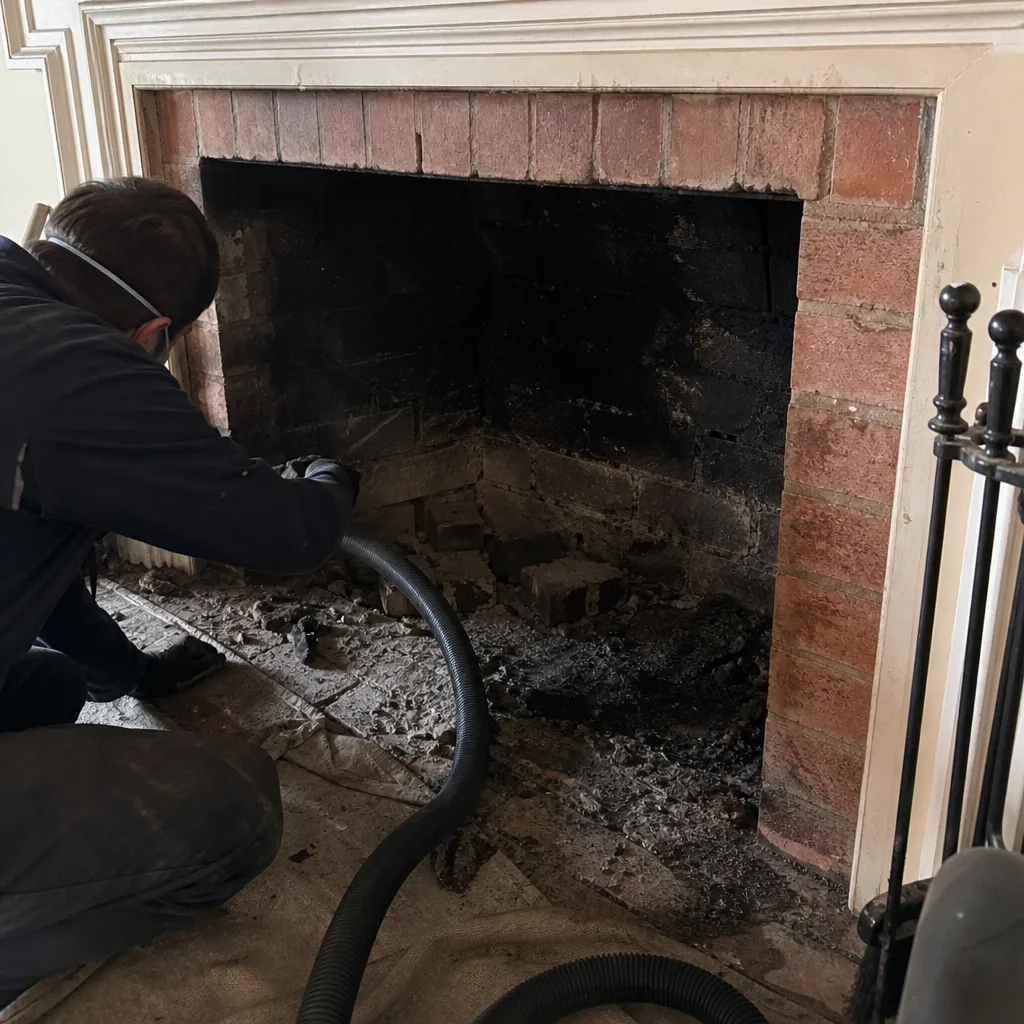 Before
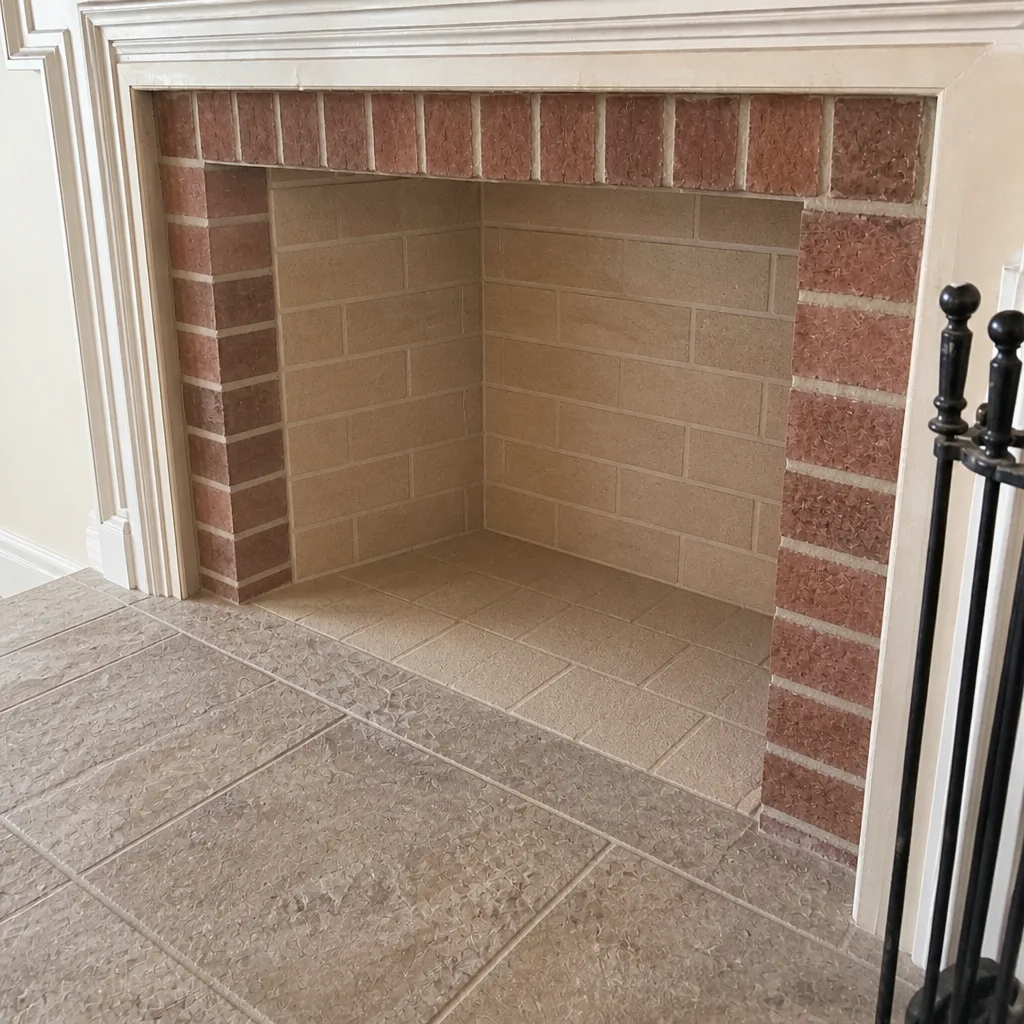 After
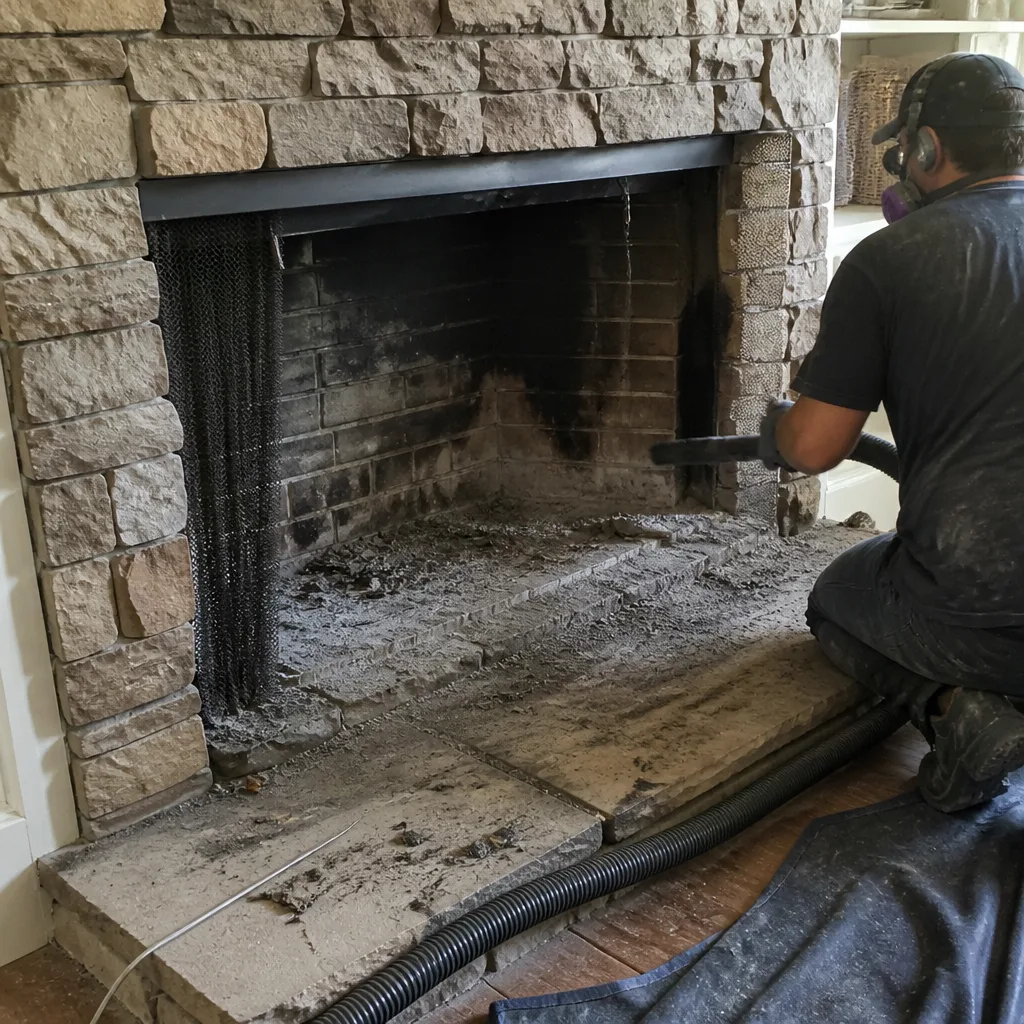 Before
 After
 Before
 After
When to Call a Professional
Some work is maintenance. Some work is a permit issue. And some work is a safety issue that shouldn’t wait for either.
Call a professional sweep if you’re buying a home in Ballantyne and need a Level 2 inspection before closing. Call if it’s been more than a year since your last cleaning, or if you can’t remember the last time the chimney was inspected. Call if you notice smoke backing into the room, a cracked firebox, a damaged cap or crown, or glazed creosote on the flue walls. Call if you suspect a chimney fire has happened, even a small one. Call after a change in appliance, including a new insert or a conversion to gas.
For anything that might require a permit, call before the work is scheduled, not after. Chimney Sweep Ballantyne offers free estimates in Ballantyne: call (888) 495-1677. We answer 24/7. Fast dispatch from 7am to 7pm, Sunday through Friday. The written estimate sets the final price, and the permit scope is spelled out before you commit.
Frequently Asked Questions
No. Routine chimney cleaning is maintenance, not alteration, and doesn’t require a permit in North Carolina. A permit becomes relevant when the job involves liner replacement, firebox rebuilding, a new cap and crown installation with structural anchoring, or a change to the flue configuration. Call (888) 495-1677 for an exact quote: estimates are free.
Yes, a chimney liner replacement generally requires a permit and an inspection through Mecklenburg County code enforcement. The liner is part of the flue pathway, and its installation must conform to NC Residential Code Section R1001 and the manufacturer’s instructions. A qualified chimney specialist pulls the permit and schedules the inspection as part of the job. Call (888) 495-1677 for a free estimate on liner work.
A Level 2 inspection is performed by a chimney sweep to the NFPA 211 standard; it’s a detailed examination of the chimney and connected appliance, including accessible portions of the attic, crawlspace and exterior, often with a camera. A permit inspection is performed by a municipal code official after permitted work is complete to verify the work meets code. The two don’t substitute for each other. Call (888) 495-1677 to schedule a Level 2 inspection in Ballantyne.
Yes, in both directions. Unpermitted work can show up as a material defect on a home inspection report and stall or kill a closing, and it can complicate an insurance claim if the insurer determines the unpermitted work contributed to a loss. The permit record is the documentation a buyer, appraiser or insurer will ask for. Call (888) 495-1677 to discuss a permit-pulled estimate for your chimney work.
Annually, at a minimum, for any chimney in active use. Homes with heavy burning or a lot of creosote buildup may need cleaning more frequently, and older homes or homes in heavy tree cover often accumulate debris faster. A yearly cleaning paired with an inspection is the baseline. Call (888) 495-1677 to book a sweep before burning season.
Creosote accumulates and can ignite, which causes a chimney fire. A blocked or narrowed flue can force combustion gases back into the home, and a damaged flue is one of the pathways carbon monoxide can enter living space. These risks are real, and they build quietly between cleanings. Call (888) 495-1677 for a free estimate and don’t wait for a symptom.
The Bottom Line
In Ballantyne, chimney cleaning is maintenance and doesn’t need a permit. The moment the work crosses into liner replacement, firebox rebuilding, structural cap and crown installation or a flue change, Mecklenburg County code enforcement gets involved and the record matters. A cleaning inspection (NFPA 211 Level 1, 2 or 3) is not a permit inspection, and the two should never be confused. The permit record follows the chimney through sales and claims; the cleaning report documents a moment in time. A qualified chimney specialist handles both, pulls the permit correctly, and gives you the documentation you’ll need later. That’s the standard. Anything less is a discount on the paperwork you actually need.
Ready to move? Call (888) 495-1677. We answer 24/7. Fast dispatch from 7am to 7pm, Sunday through Friday. Free estimates, written scope, permit question answered before the work is booked.
Written by the team at Chimney Sweep Ballantyne.