
Last updated November 22, 2026
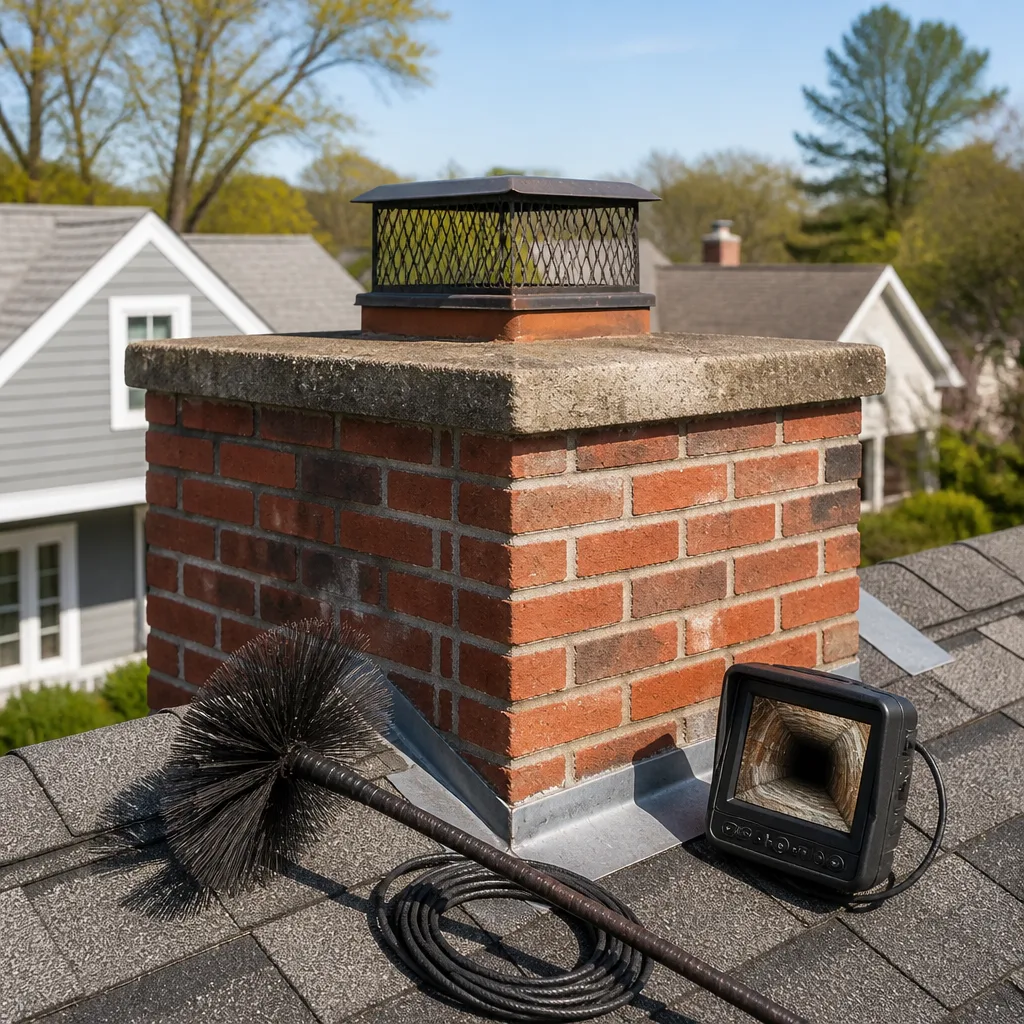 Sweep & inspection
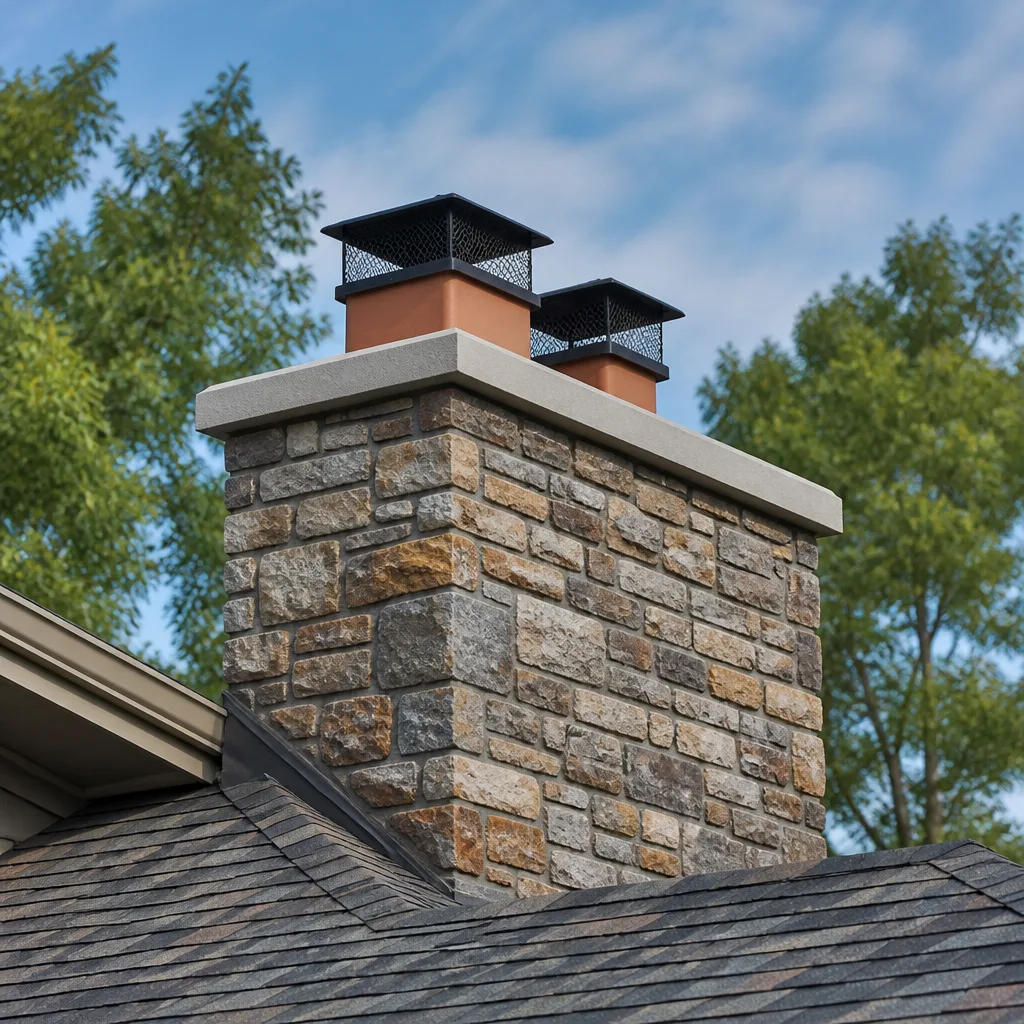 Caps & crowns
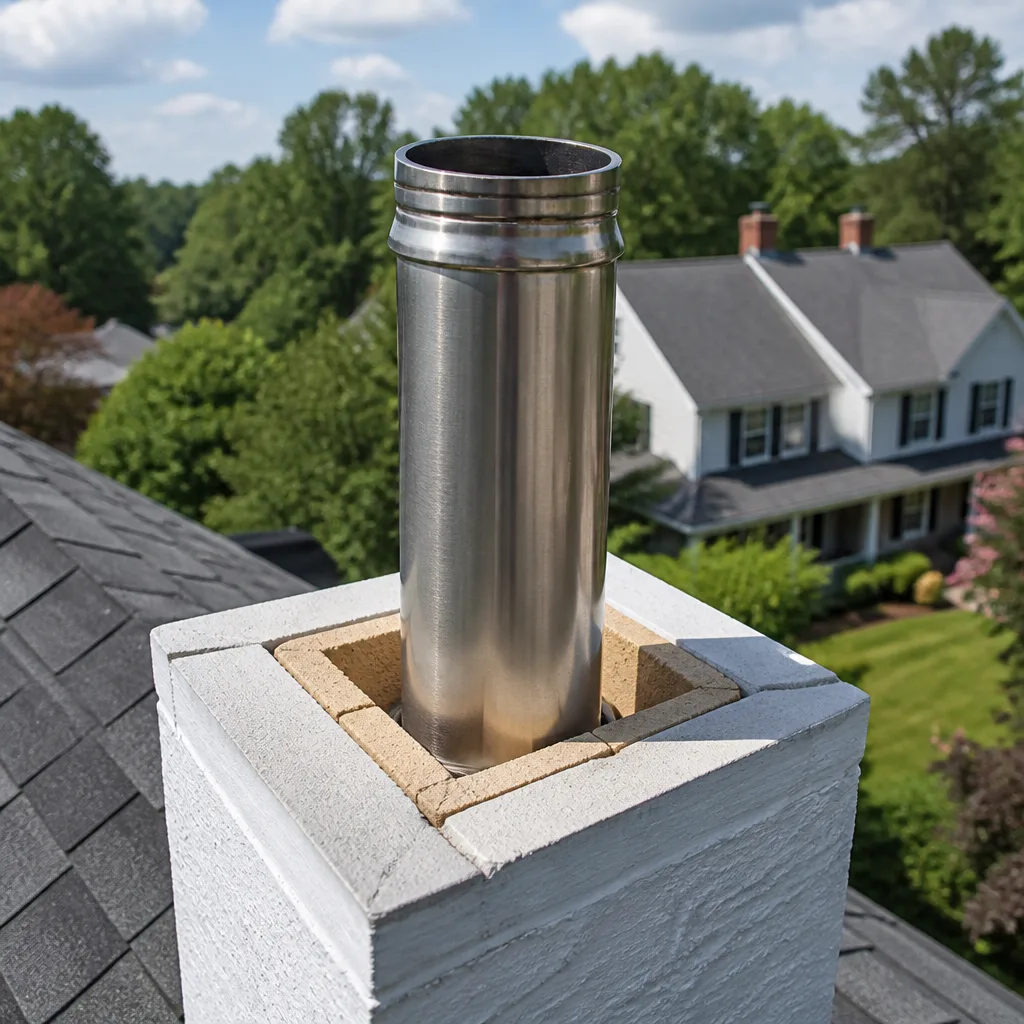 Flue relining
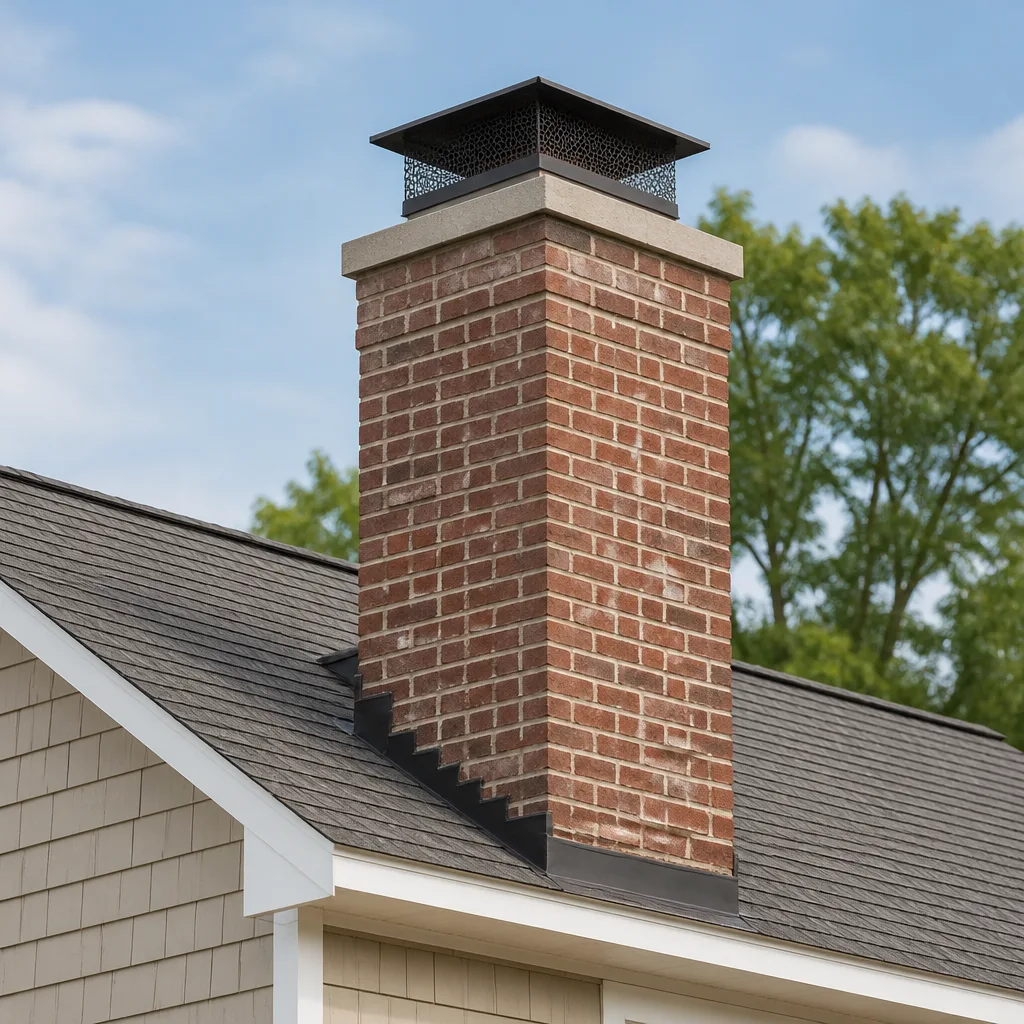 Masonry repair
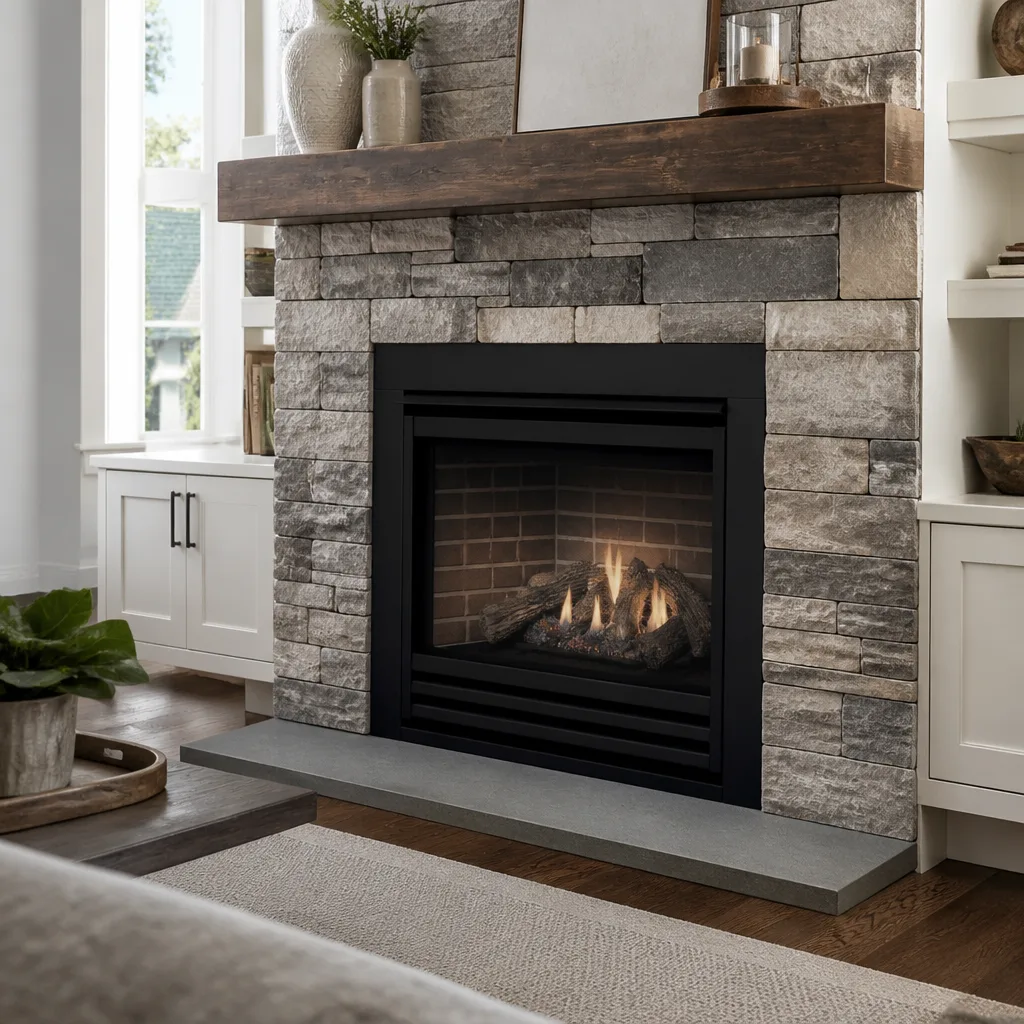 Gas fireplace service
Level 1 sweep and inspection to the NFPA 211 annual standard - flue, crown, cap, and flashing checked and photographed
Chimney sweep logs do not sweep chimneys. They loosen some creosote - which then falls where a brush and vacuum still have to collect it.
Chimney Cleaning Emergency Preparedness Guide for Ballantyne Homes
Most homeowners treat chimney maintenance as a fall checkbox: call someone, get it swept, forget about it until next year. That approach handles routine cleaning fine. It does almost nothing to prepare a household for the ten minutes that matter most, when a chimney fire is already burning inside the flue and the decisions you make determine whether the house stays standing.
Ballantyne is full of homes with real fireplaces that get real use, and many of them were built or last serviced years before the current owners moved in. What follows is a preparedness guide, not a cleaning pitch. You’ll learn how a chimney fire actually behaves, how carbon monoxide from a fireplace presents differently than CO from a furnace, what to tell the fire department when they arrive, and how to build a reference card your whole household can find in the dark.
Quick Answer
A chimney emergency plan for a Ballantyne home comes down to four things: recognize the signs of a chimney fire fast, get everyone out and call 911, tell the fire department what you smelled and saw so they can assess structural safety, and get a Level 3 inspection before anyone relights the fireplace. The work you do before an emergency (an annual sweep, a clear reference card, working CO alarms on every level) is what makes those four things possible.
Styles & brands we work with
- Sweep & inspection
- Caps & crowns
- Flue relining
- Masonry repair
- Gas fireplace service
Table of Contents
- How chimney fires start and why they’re quiet
- What to do during an active chimney fire: step by step
- Why carbon monoxide from a fireplace is easy to miss
- What to tell the fire department when they arrive
- The post-emergency inspection sequence and why you can’t skip it
- Building your chimney emergency reference card
- Prevention checklist for the burning season
- What makes Ballantyne chimneys different
How chimney fires start and why they’re quiet
Creosote is the fuel. It’s a tar-like residue that builds up inside a flue as wood smoke cools on its way up, and it accumulates faster when wood is unseasoned, when the fire runs cool and smoldery, or when the flue is the wrong size for the firebox. Once enough of it coats the interior, a hot ember or a sudden burst of flame is all it takes to ignite the whole coating at once.
A chimney fire can burn above 2,000°F and be over in minutes. That’s the part most people don’t expect. A slow, smoldering chimney fire might last longer and do more cumulative damage to the masonry, while a fast one can warp a metal flue liner or crack tile before anyone has registered that something is wrong. Either way, the fire is happening inside a structure that was never meant to contain fire. The flue is a vent, not a firebox.
The signs a homeowner might actually notice, in rough order of how obvious they are:
- Loud popping or a low roar that sounds like a freight train from inside the chimney
- Dense smoke or flames visible at the top of the chimney
- A hot chimney breast – the wall or chase around the fireplace feels noticeably warm
- A strong, acrid smell that isn’t the usual wood smoke smell
- Sparks or burning debris coming out of the chimney cap
Plenty of chimney fires produce none of these. A slow one can smolder behind creosote glazing and never announce itself, and the first sign a homeowner gets is a cracked flue tile discovered months later during an inspection. That’s why the annual sweep matters more than any early-warning instinct. A chimney sweep removes the fuel load before it has a chance to light.
What to do during an active chimney fire: step by step
If you believe the chimney is on fire, get people out first and worry about the house second. The steps below assume you’ve already gotten everyone outside or are on your way. Nothing on this list is worth staying inside for.
- Get everyone out of the house and call 911. Do this before anything else. Tell the dispatcher you have a suspected chimney fire.
- Close the glass doors or firebox doors if it’s safe to reach them. Cutting off air to the fire slows it. This takes seconds, so only do it on your way out.
- Don’t throw water on it. Water on a hot firebox or flue can crack masonry or warp metal liners, and the steam it produces is dangerous in a confined space.
- Don’t climb on the roof. People get hurt trying to spray a garden hose down a chimney. The fire department has the equipment and the training for that.
- Stay outside until the fire department clears you to reenter. Even a fire that looks out is not a fire that’s out. Hidden hotspots in the chase or attic can reignite.
For homeowners who suspect the fire has already spread into the structure (smoke in rooms that don’t have a fireplace, a hot wall in an adjoining room, or flames visible at the roofline), stop considering the chimney at all. Get out and let the fire department handle the building. We’ve walked homes in Ballantyne after small chimney fires where the flue was fine and the framing around it was not.
One last point: the time to know what to do is not during the fire. Rehearse this list out loud with everyone in the house at least once a year, the same way you’d practice a fire drill. The five minutes after ignition are not when anyone learns a new procedure.
Why carbon monoxide from a fireplace is easy to miss
Carbon monoxide from a furnace or water heater usually announces itself with a cluster of symptoms in a heating season, and most people know to suspect the mechanical systems. Fireplace-related CO is different, and it’s under-diagnosed for reasons that make sense once you see them.
For one, fireplace CO comes from a source people mentally classify as “the fire.” If someone in the house gets a headache or feels drowsy after a long evening in front of the fire, the fire itself gets blamed, just as a cozy evening would produce drowsiness anyway. For another, a chimney that’s slightly compromised (a partially blocked flue, a cracked tile, a liner with a seam failure) can spill exhaust into the living space intermittently rather than steadily. That means symptoms come and go, and the pattern doesn’t always point at the chimney.
What makes it harder still:
- Fireplace CO is often measured in low concentrations over long periods rather than a sudden spike, so a cheap CO alarm may never trip.
- Spill-back often happens during the ignition and dying phases of a fire, not at the peak, so the smells homeowners associate with a “bad draft” are the moments to watch.
- Older homes in Ballantyne with masonry chimneys may have no liner at all, or a clay tile liner that’s cracked and venting into the chase.
- Symptoms look like the flu, fatigue, or a hangover – nobody thinks “the chimney.”
Get a CO alarm on every level of the house and test it monthly. If you have a wood-burning fireplace, get one that reads PPM out loud, so you can see a low reading even when the alarm doesn’t sound. If you’ve had a CO alarm event and can’t find the source in the furnace or water heater, the chimney should be at the top of the suspect list. A Level II inspection, which includes a camera run of the flue, finds the liner failures and blockages that regular pressure tests miss.
What to tell the fire department when they arrive
When firefighters arrive, they’re not just there to put out the fire. They’re there to decide whether the structure is safe to reenter, and the information you give them in the first two minutes shapes that decision. Being useful means being specific about what you observed, not what you assume.
The best information to have ready:
- What you saw: flames at the top of the chimney, smoke, sparks out the cap, or nothing visible and just a sound.
- What you smelled: acrid or chemical versus normal wood smoke, and how strong it was.
- How long the fire burned and what was in the firebox (hardwood, softwood, manufactured logs, paper).
- Whether the chimney has been swept recently and roughly when.
- Whether the chimney has a metal liner or clay tiles and the age of the house if you know it.
- Whether anyone in the house has had headaches, dizziness, or nausea in the past several hours.
The structural questions matter most. Firefighters are looking for signs that the heat has transferred into framing, the chase, or the attic. They want to know where the flue runs (straight up the exterior, interior chase, or through an offset), and whether the chimney has a metal cap or exposed crown. Once they’ve cleared the structure, ask them to note in their report whether they saw evidence of a fire in the flue itself, because your insurance claim and your post-emergency inspection will both need that.
After a fire, resist the urge to relight the fireplace as a comfort measure. Let the house air out, let the flue cool down completely, and treat the fireplace as out of service until a professional has inspected it.
The post-emergency inspection sequence and why you can’t skip it
A chimney fire is not a “wait and see” event. The single most important decision after one is scheduling a Level 3 inspection before anyone relights the fireplace. Here’s why, and what that inspection actually involves.
Chimney inspections run on a three-level scale:
- Level I: visual inspection of readily accessible portions – the firebox, damper, and flue as far as can be seen without tools. Routine annual check.
- Level II: everything in Level I plus a camera run of the flue and inspection of accessible parts of the chimney exterior, attic, and crawl spaces. Required after a change in fuel type, a new appliance, a property sale, or an event.
- Level III: what you need after a chimney fire, a lightning strike, or a seismic event. It includes everything above, plus the removal of parts of the chimney or building where access is required to fully assess the damage.
A Level 3 is more invasive than a routine inspection because it has to be. A chimney fire can crack tiles or liner seams behind the visible flue, scorch framing around the chase, or warp a metal liner in a way a camera alone can’t spot. The masonry and framing around the flue are checked directly. That’s the only way to know whether the chimney can safely return to service or needs repair before the next fire gets lit.
What we look at during a post-fire Level 3 in Ballantyne homes:
- Flue interior for cracks, spalling, and liner seam separation
- Chase and surrounding framing for charring and heat damage
- Crown and cap for heat-related failure and water intrusion
- Firebox and damper for warping or cracking
- Smoke chamber and any offsets for creosote glazing and debris
If the liner is damaged, restoration options range from HeatShield ceramic resurfacing (which can extend liner life without a full reliner) to a DuraFlex flexible stainless reline, which handles older or offset flue configurations where rigid liners won’t fit. We install those materials because they’re what professional chimney contractors use nationwide, not what’s cheapest at the hardware store. The important thing is that the decision comes after the inspection, not before. Nothing is recommended to a Ballantyne homeowner without camera evidence they can see for themselves.
Building your chimney emergency reference card
The single most useful preparedness tool is also the simplest: a printed card with the handful of numbers and steps anyone in the house might need in a hurry. Paper beats a phone. In a real emergency, the person grabbing the card may be a teenager, a houseguest, or a neighbor checking in, and they won’t be scrolling through someone else’s phone to find your insurance policy number.
Here’s what belongs on the card:
- The fire department’s non-emergency line (911 goes without saying, but a non-emergency number is useful for a smoldering smell you’re not sure about).
- Your chimney company’s number. For Ballantyne homeowners, ours is (888) 495-1677.
- Your insurance policy number and the carrier’s claims line. Not the agent – the claims line.
- Gas shutoff location and steps, if you have gas logs or a gas appliance in the house.
- Electrical panel location and any subpanel.
- The steps from “What to do during an active chimney fire” above, in five lines or less.
Where to keep it: somewhere the whole household can find it in the dark. Not a filing cabinet. Good spots are the inside of a kitchen cabinet everyone uses, taped to the side of the refrigerator, or inside a fireproof document box that lives in a known spot. Tape a second copy inside the door of the electrical panel or on the side of the furnace. Whatever spot you choose, tell everyone in the house where it is and have them physically walk to it once so it sticks.
Update the card whenever you change insurers or get a new chimney inspection. Include the date of the last inspection on the card so anyone picking it up can see at a glance whether the chimney is due.
Prevention checklist for the burning season
The best-prepared homes rarely need to use any of the above. That’s the real goal here: fewer emergencies, not better emergencies. The following checklist helps Ballantyne households headed into the cooler months get ahead of the risk.
- Schedule an annual sweep before the first fire. Once a year for regular fireplace use, more often if you burn a lot or burn unseasoned wood.
- Burn seasoned hardwood. Wood that hasn’t cured creates more creosote than a properly dried load.
- Don’t burn paper, cardboard, or trash. All of it contributes to creosote and flue deposits.
- Keep fires hot enough to burn clean. Long, smoldering fires deposit more creosote than hot, lively ones.
- Check CO alarms monthly and replace batteries on the manufacturer’s schedule.
- Look up at the chimney periodically. A closed damper, a bird’s nest, or a cracked crown all show up from the ground.
- Keep a chimney cap in good repair. Caps block rain, animals, and debris from entering the flue; a missing or broken one is an invitation for trouble. Our chimney cap & crown work uses manufacturer-matched Gelco and Famco products for a verified fit.
- Watch for spalling masonry or rust stains on the exterior. Both point to water intrusion or liner problems.
Our technicians have up to 13 years of experience, and the most common finding across those years is not dangerous damage – it’s a home that hasn’t been looked at in years, so nobody knows the condition of what’s inside the flue. Knowing is cheap. Finding out during a fire is not.
What makes Ballantyne chimneys different
Ballantyne’s housing stock spans a few distinct generations, and each brings its own chimney profile. The older neighborhoods on the south end of the community tend to have masonry fireplaces with clay tile liners, some of which were built before current code standards were in place. Newer construction throughout Ballantyne more often uses prefabricated fireplaces with stainless liners, which handle heat differently and have a fixed warranty and replacement cycle you can’t extend indefinitely.
The climate plays a role too. This part of the Carolinas gets a real but moderate heating season, which means most fireplaces sit idle for six or seven months and then get worked hard for a few weeks. That pattern accelerates creosote accumulation on the first burns of the season and makes the pre-season sweep more valuable than it might be in a climate with a longer, more even burn window. The clay soils and seasonal moisture around Ballantyne also put steady stress on masonry crowns and mortar joints, which is one reason we see so many crowns that need repair before they fail.
Ballantyne’s proximity to wooded common areas brings its own chimney complication: wildlife. Birds, squirrels, and raccoons find uncapped flues irresistible, and a nest at the top of a flue is a genuine blockage risk regardless of how clean the interior is. Ballantyne homeowners with tree-heavy yards should assume an annual cap check is part of the routine, not an optional add-on.
We also see a lot of homes here that changed hands recently. A new owner inherits whatever the last owner did or didn’t do, and a pre-purchase inspection of the chimney often reveals deferred maintenance from a decade or more. If your Ballantyne home is newer to you than the last inspection, that inspection is the starting point for everything else in this guide.
Common Mistakes to Avoid
- Assuming a clean-looking firebox means a clean flue. The creosote that causes chimney fires is invisible from the living room. Only a sweep and camera run tells you the condition of the flue.
- Waiting for the fire department before getting everyone out. A suspected chimney fire is a get-out-first event. Call from outside.
- Trying to fight it yourself. Water on a hot flue, climbing the roof with a hose, or staying inside to watch – all make a dangerous situation worse.
- Relighting after a fire because the firebox “looks fine.” The damage that matters is inside the flue and the chase, not in the firebox. Do not relight until a Level 3 inspection clears the chimney.
- Skipping the pre-season sweep because the chimney was cleaned “recently.” “Recently” for many Ballantyne homeowners means a couple of seasons back. Creosote accumulates with every fire, not with the calendar.
- Ignoring mild CO symptoms that line up with fireplace use. Headaches and drowsiness after a long fire are not always the fire. If the pattern repeats, get the chimney inspected and the CO alarms checked.
- Storing emergency numbers only in a phone. If the person home when the fire starts is a houseguest or a teenager without everyone’s number in their contacts, a paper card is what actually works.
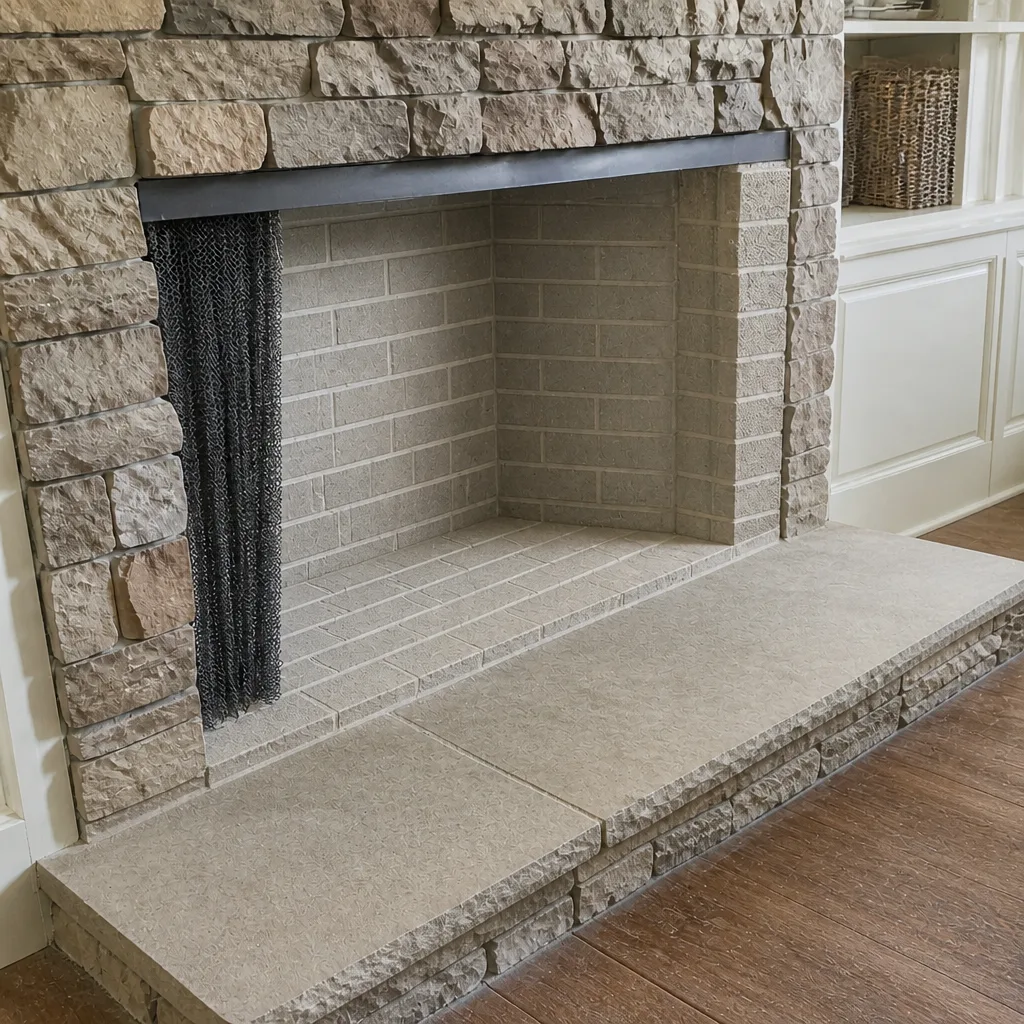
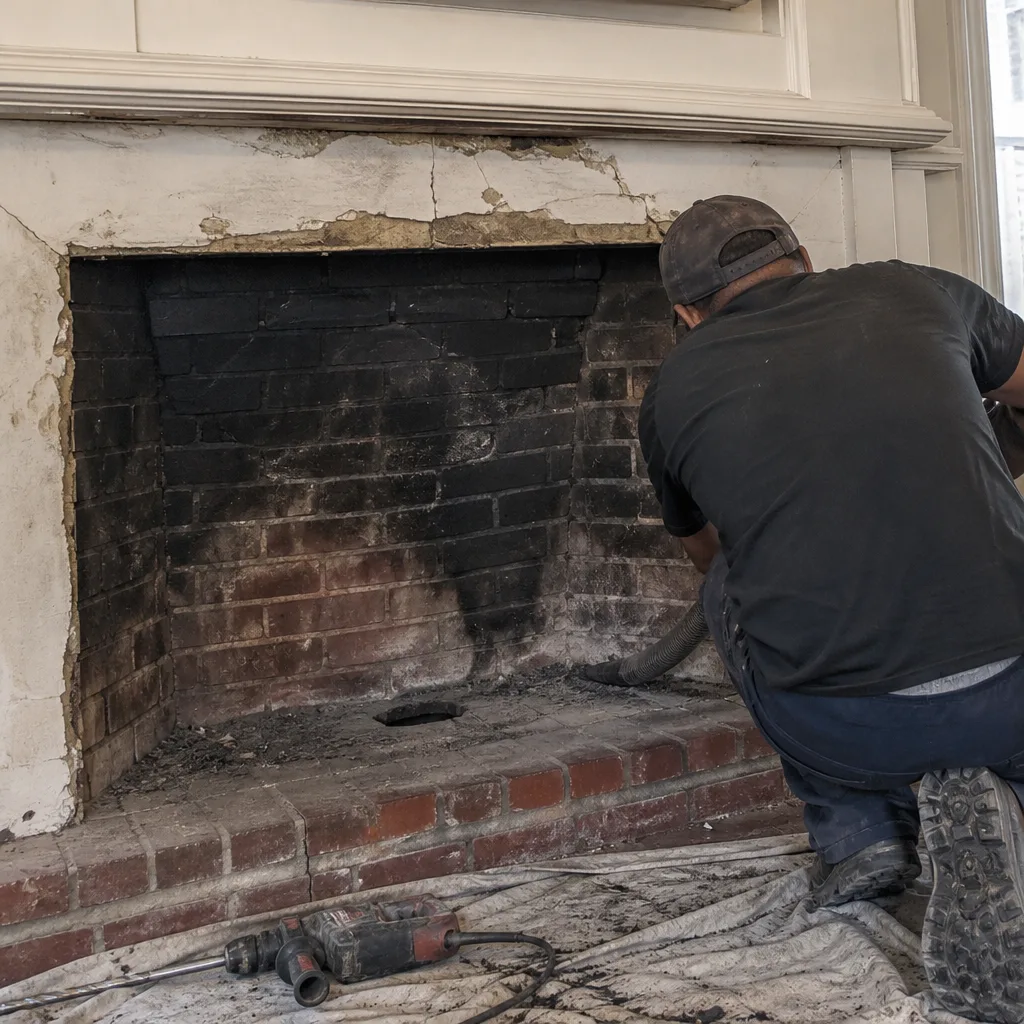
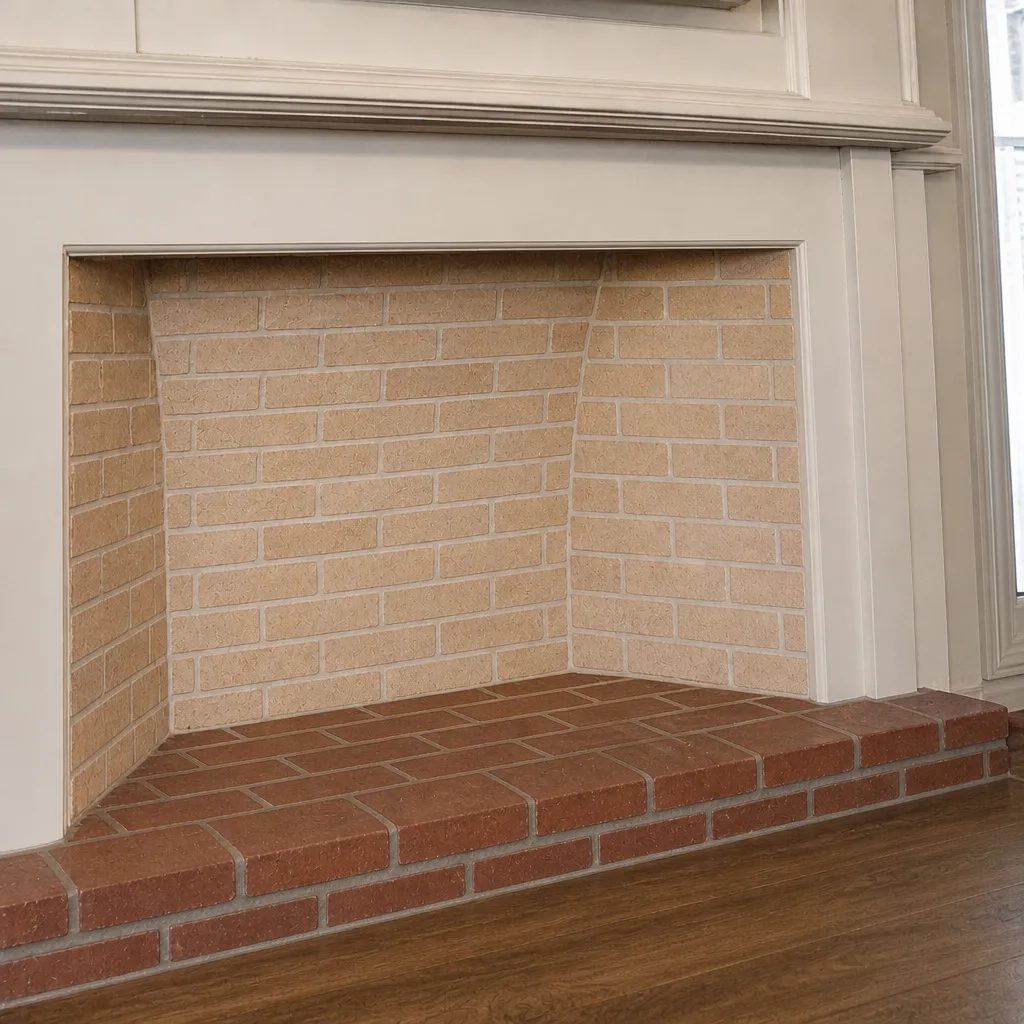
See the difference
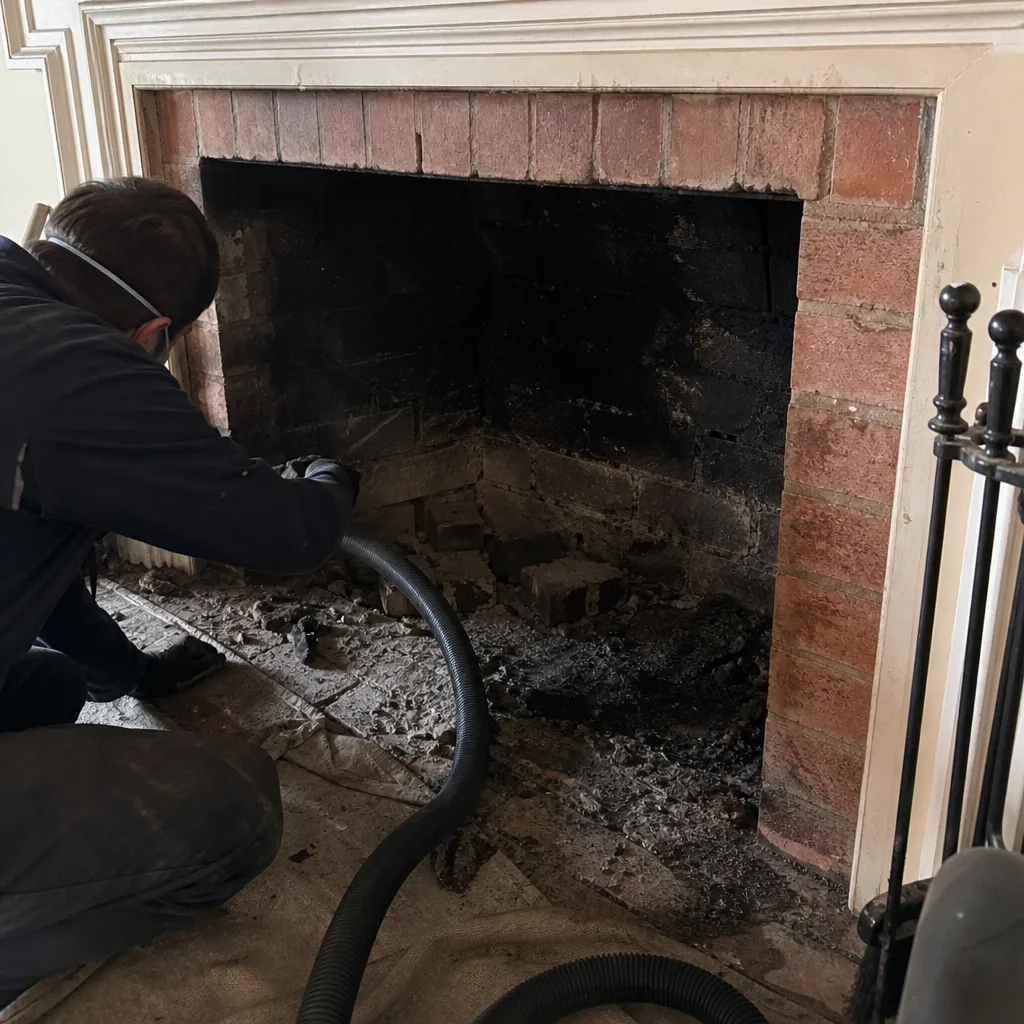 Before
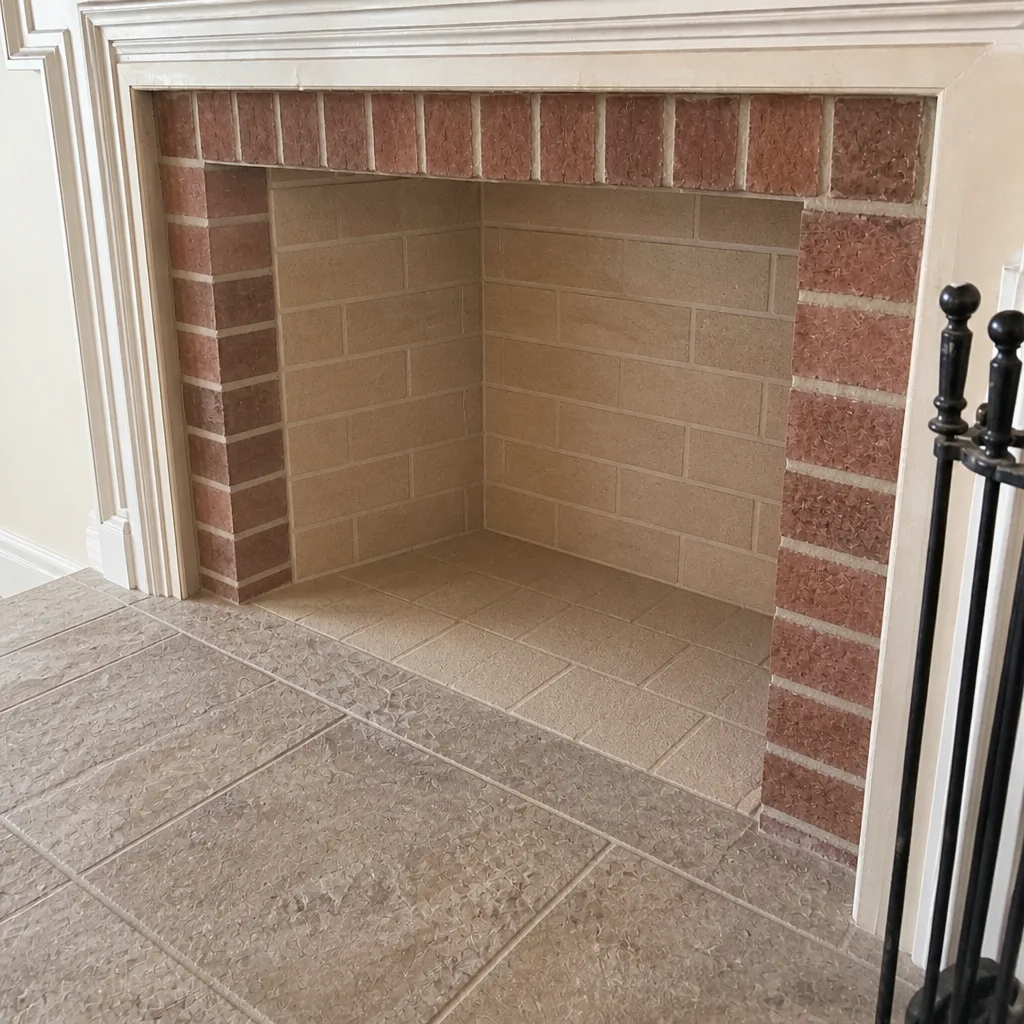 After
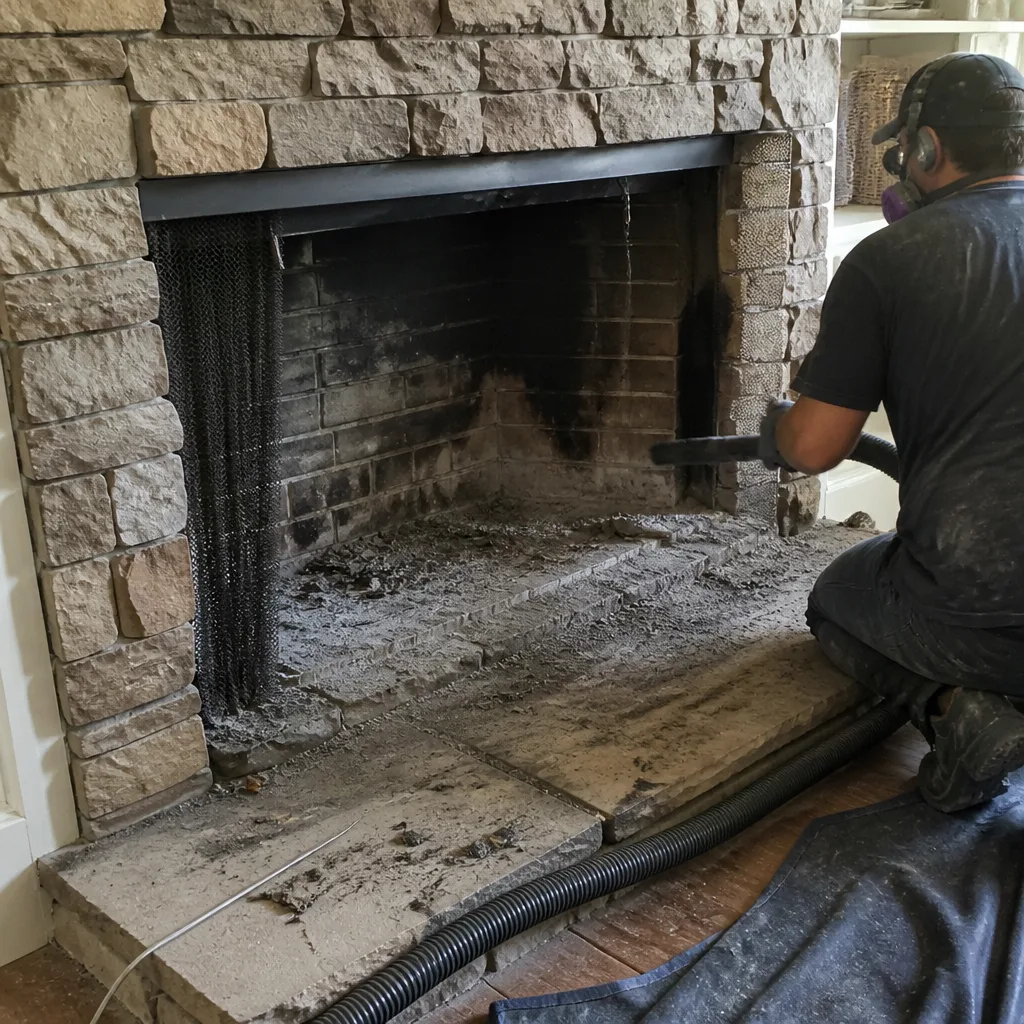 Before
 After
 Before
 After
When to Call a Professional
Call a professional chimney company right away if any of the following is true: you’ve had a chimney fire, you’ve had a CO alarm event you can’t trace to a furnace or appliance, you smell a persistent acrid odor with the fireplace in use, you see cracked or missing flue tiles, or you’ve moved into a Ballantyne home with no record of the last inspection. Call before your first fire of the season if it’s been more than a year since the last sweep or if you’ve never had the chimney inspected since purchase. And call if you’ve installed a new appliance, changed fuel type, or had storm damage to the chimney cap or crown. A camera inspection plus a photo report costs nothing to book through Chimney Sweep Ballantyne – call (888) 495-1677 – and a written estimate sets the final price of any recommended work, so you can decide with real information in front of you.
Frequently Asked Questions
Most Ballantyne homeowners pay in the low-to-mid hundreds for a routine sweep, and the price is set per job by a written estimate, not a fixed menu. The sweep includes a visual inspection while we clean, and any recommended repair is quoted separately so you can see the evidence first.
Not always, but it must be inspected before the answer is known. A Level 3 inspection tells you whether the liner survived – some fires leave it intact, others crack tiles or warp the metal. Where the liner is compromised but not destroyed, HeatShield ceramic resurfacing extends its life without a full reliner; where it’s beyond restoring, a DuraFlex stainless reline is the standard path.
Once a year for most wood-burning fireplaces, and more often if you burn heavily or burn unseasoned wood. Ballantyne’s short-but-intense burning season means a pre-season sweep makes the most sense for most homes.
Creosote builds up whether or not the chimney is swept, and at some concentration it becomes combustible. The realistic outcomes range from a slow flue fire that damages the liner to a fast one that can compromise the structure. Skipping also means you go into a burning season without knowing the condition of the flue, the crown, or the cap.
No. Even a fire that appears to have gone out on its own can leave hidden hotspots in the chase or attic, and the flue is almost certainly damaged. Treat any chimney fire – even a suspected one – as a reason to call 911, get out, and schedule a Level 3 inspection before relighting.
Common signs include smoke rolling back into the room when a fire is lit, a weak or inconsistent draft, a smell of soot or moisture when the fireplace is idle, or visible debris at the top. Animals are a frequent cause in wooded Ballantyne neighborhoods. The only way to know for certain is a camera run of the flue, which we include with an inspection.
The Bottom Line
A chimney emergency is one of the few home events where the preparation work is entirely in front of you. Get the annual sweep done before the burning season starts. Keep working CO alarms on every level and know what fireplace CO looks like. Build a paper reference card with the fire department, your chimney company, and your insurance claims line, and put it somewhere the whole household can find. If a fire does happen, get out first, call 911 from outside, tell the firefighters what you saw and smelled, and get a Level 3 inspection before anyone thinks about relighting. The sweep, inspection, cap, and repair work all come from the same company at Chimney Sweep Ballantyne, and you can see our full range of fireplace repair alongside the rest of what we do on our Chimney Sweep Ballantyne page.
Call (888) 495-1677 for a free estimate. We answer 24/7. Fast dispatch from 7am to 7pm, Sunday through Friday.
Written by the team at Chimney Sweep Ballantyne.