
Last updated November 22, 2026
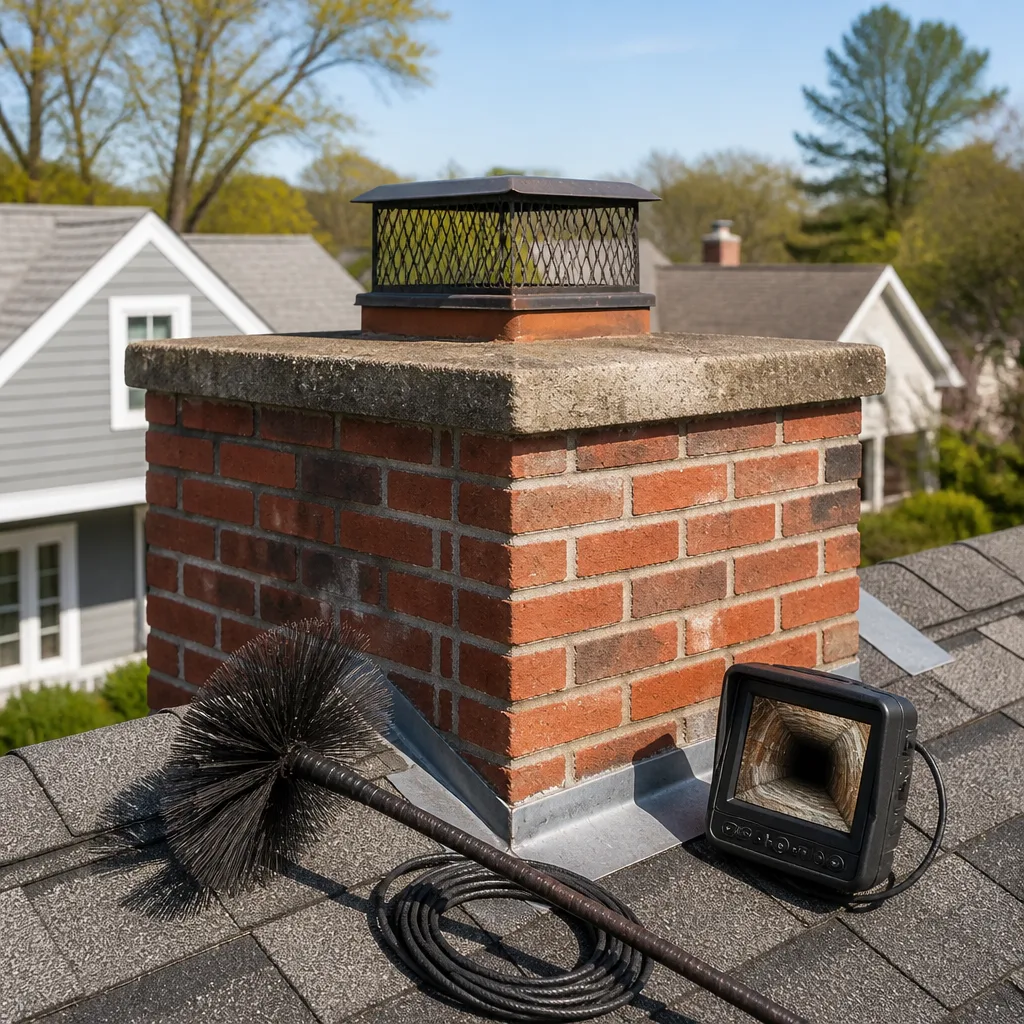 Sweep & inspection
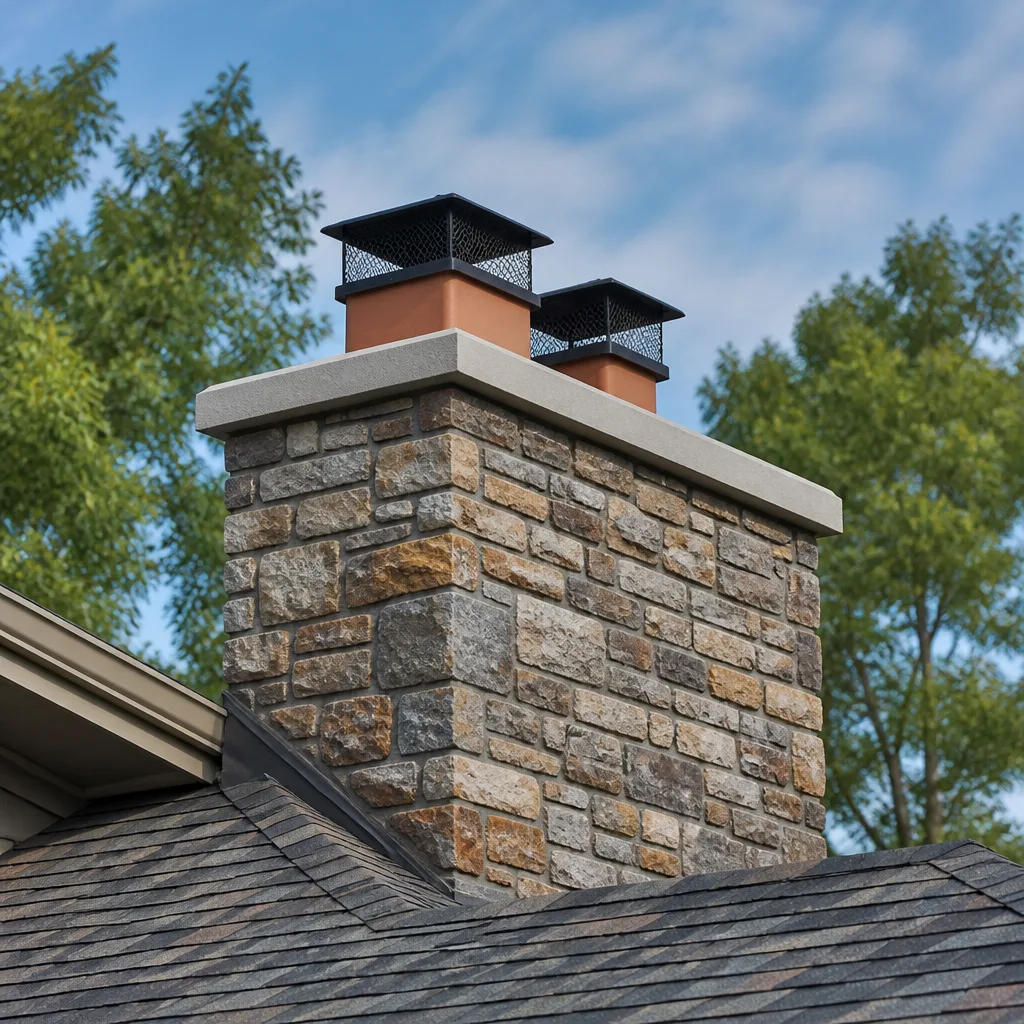 Caps & crowns
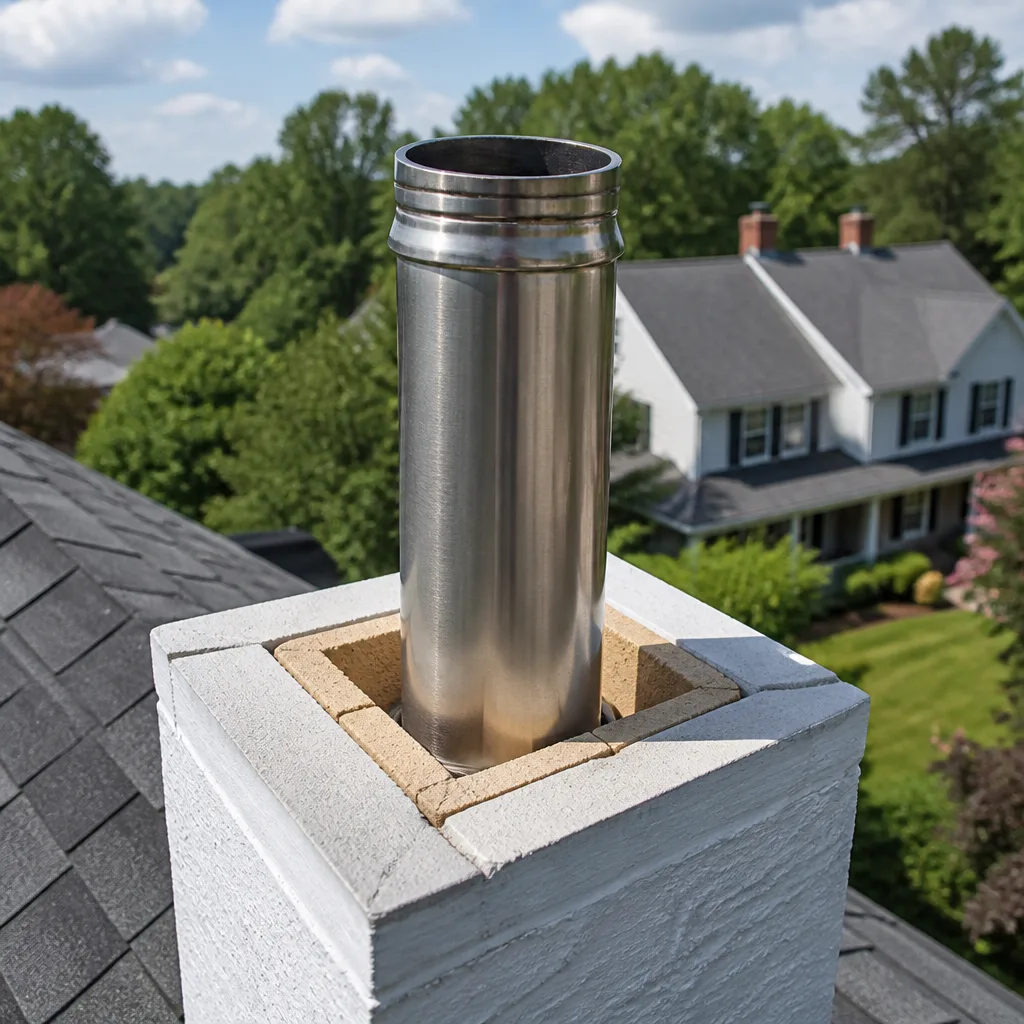 Flue relining
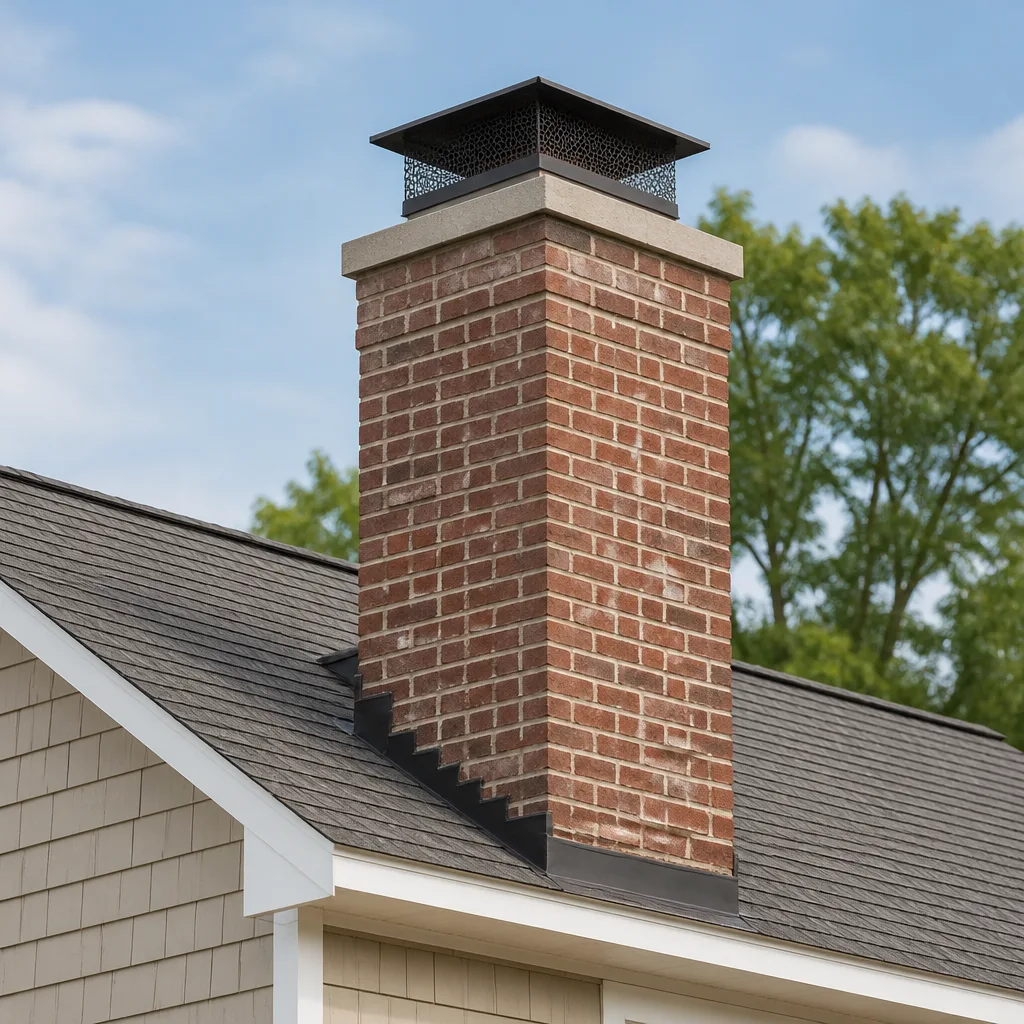 Masonry repair
 Gas fireplace service
Level 1 sweep and inspection to the NFPA 211 annual standard - flue, crown, cap, and flashing checked and photographed
Chimney sweep logs do not sweep chimneys. They loosen some creosote - which then falls where a brush and vacuum still have to collect it.
Chimney Sweep Maintenance Checklist for Ballantyne Homeowners
Most printable chimney checklists floating around online were written for homeowners in New England who burn six months out of the year. Follow that schedule in Ballantyne and you’re maintaining a fireplace that doesn’t match how you actually use it. Our burning season is short, our winters are marginal, and the real wear on a Ballantyne chimney comes from the other direction: a long dormant summer, spring rain driving into masonry, and the occasional hard freeze that catches brickwork off guard. So this guide is built around triggers instead of calendar dates. You’ll learn what to check after a run of fires, after a storm, and after a summer of disuse; which tasks you can safely handle yourself and which need a camera or a professional hand; and how to keep a year-over-year record of your chimney’s condition so that any inspection starts from a real baseline.
Quick Answer
A chimney maintenance checklist for Ballantyne homeowners should be organized around usage and weather triggers, not fixed dates. Check the firebox and damper after every 25 fires, inspect the exterior masonry after any hard freeze or heavy rain, look at the cap and crown after storms, and book a professional sweep and inspection once a year if you burn regularly. Items above the smoke chamber require a camera, a ladder, and training; leave those to a professional.
Styles & brands we work with
- Sweep & inspection
- Caps & crowns
- Flue relining
- Masonry repair
- Gas fireplace service
Table of Contents
- Why a Ballantyne Chimney Ages Differently
- The Usage-Based Trigger System
- Interior Checks Homeowners Can Safely Do
- Chimney Checks That Require a Camera or a Pro
- Exterior Items Unique to Ballantyne Homes
- What to Check After a Storm
- How to Document Your Chimney Year-Over-Year
- Normal Wear vs. What Warrants a Service Call
Why a Ballantyne Chimney Ages Differently
A Ballantyne chimney doesn’t fail the way a chimney in Vermont or Minnesota fails. Here the burning season is measured in weeks of real fireplace use, not months, so creosote accumulation happens more slowly than northern guides assume. That sounds like good news, and it partly is. But the slow burn has a flip side. When a chimney sits mostly dormant for the warmer half of the year, problems that a working flue would dry out and flush through instead sit in place. Moisture holds in masonry. Nesting birds and animals find quiet. A small crack in the crown gets eight months to widen.
Freeze-thaw is the more visible problem. Ballantyne winters are mild most of the time, but the region does see hard freezes that push water inside porous brick. When that water expands, the face of the brick can spall off, and mortar joints can loosen. A single hard freeze doesn’t wreck a chimney, but several marginal winters in a row will show up as flaking brick faces and powdery mortar when you look closely at the exterior.
Spring is the other half of the story. Ballantyne sits in a part of the state that gets steady spring rain, and rain that finds a failed crown or an unattached cap will follow the path of no resistance straight into the smoke chamber and the flue. Once interior masonry is damp, the chimney’s whole system reacts to it – draft weakens, liner life shortens, and the smell of a dormant chimney worsens when warm humid air meets cool masonry.
Fireplaces in this climate are also used differently. Many Ballantyne homeowners run a few decorative fires in the colder weeks and then leave the fireplace closed for eight or nine months. That pattern means the chimney’s interior seal matters more than its firebox volume. Our focus at Chimney Sweep Ballantyne is on that whole picture: the flue, the exterior, the liner, and the way the system behaves through a Ballantyne year. If a chimney’s maintenance schedule doesn’t account for the dormant season, the schedule misses the actual wear.
The Usage-Based Trigger System
The core of this checklist is simple: instead of asking what month it is, ask what the chimney has been through since you last looked. Three triggers cover the whole year in Ballantyne: the 25-fire count, the storm trigger, and the post-dormancy trigger. Each one calls for a slightly different set of checks.
Trigger 1: After 25 fires
Every 25 fires, take a few minutes with the fireplace cold and do a light walk-through. In our experience, this is the interval where visible changes show up but haven’t had time to become serious.
- Look inside the firebox for cracked brick or loose mortar at the seams.
- Open and close the damper to confirm it moves freely.
- Check the throat above the damper for buildup that looks flaky or glossy.
- Look at the top of the firebox for staining that wasn’t there before.
- Note the total fire count, and the date.
Trigger 2: After a storm
Every storm that brings heavy rain, strong wind, or a hard freeze calls for an exterior walk-around. Look at the cap and the crown, and look at the masonry for new cracks or dark streaks. This is also the trigger for a look inside the firebox after heavy wind – the downdraft through an open flue can loosen soot above the smoke shelf, and you may find a small pile of it when you next open the damper.
Trigger 3: After the dormant season
When the fireplace has been closed for the warmer months, that’s the check with the most to find. Open the firebox, sniff near the damper, and look for animals or nests. A blockage from nesting debris is a safety issue if you light a fire without noticing.
If your home uses a chimney sweep as the annual professional touchpoint, that dormant-season check is the right time to book it. The sweep doubles as an inspection, and coming out of the off-season means it’s happening before the first cold snap fills the schedule.
Interior Checks Homeowners Can Safely Do
The rule that keeps this section safe is simple: work only at the fireplace opening, only with a cold fireplace, and never go above your reach. Anything above the damper or behind the firebox wall belongs to a professional. Within those limits, most of the useful checks are quick and need no tools at all.
- Firebox brick and mortar. Check the back wall and side walls for cracks or seams where the mortar is crumbling. Small hairline cracks in a firebox are often normal. Gaps wider than a thin coin, or joints that pull away, are not.
- Damper operation. A damper that sticks, hangs, or won’t seat fully is a sign the mechanism needs attention. Never force it.
- Smoke chamber throat. With a good light, look up at the throat above the damper. Staining, soot streaks, or a buildup that looks oily are worth noting.
- Smell. A dormant chimney often smells faintly musty. A sharp, smoky, or chemical smell is different and worth noting in your records.
- Draft. On a cold quiet day, light a small piece of paper at the fireplace opening and see whether the smoke pulls upward cleanly. Do this carefully, with the damper open, and never with a fire already in the fireplace.
- Staining on the face of the fireplace. Streaks on the brick face are often a sign of moisture moving through the assembly.
Write down what you find. That’s the whole point of doing interior checks yourself: not that you fix anything, but that you catch changes early and have a starting point when a professional looks at the chimney. If you spot a real problem inside the firebox or damper mechanism, fireplace repair is safer handled by someone trained to open the assembly, and it’s what we do for Ballantyne homes regularly.
Chimney Checks That Require a Camera or a Pro
Every item in this section is placed here for one reason: you can’t see it safely or well enough from the ground floor. Some need a camera. Some need a ladder and training with heights. All are areas where a mistake can turn a small problem into a large one.
- The flue lining. A camera inspection is the only reliable way to see the liner’s interior condition, especially on older or offset flues where the liner turns through a bend. Cracks, gaps, and misaligned joints aren’t visible from the firebox.
- The smoke chamber. The sloped transition above the damper is where creosote tends to accumulate and where damage is hardest to detect.
- The chimney cap. Checking whether the cap is properly attached and screened takes a roofer’s eye and ladders.
- The crown. The crown is the sloped concrete top around the flue exit. It’s where small cracks do the most damage, and it can’t be evaluated from the ground in any useful way.
- Missing or deteriorating flashing. Flashing is where the chimney meets the roof. Failures here are usually the source of interior leaks, and finding them requires being on the roof.
- Interior masonry above the smoke chamber. Cracked tiles or displaced brick above the smoke chamber aren’t visible without a camera and a trained read of what you’re seeing.
The professional-level inspection is normally described in three tiers. A Level I inspection is a visual check of accessible parts with the standard tools and is appropriate for a well-maintained chimney with no changes. A Level II inspection uses a camera and adds the areas you can’t see from the firebox; it’s the right tier after a chimney changes hands, after a chimney fire, or after a storm or earthquake event. A Level III inspection is the most involved and opens up parts of the chimney structure to get at concealed damage. Knowing which tier you’re being offered matters, and a sweep who also handles repairs can recommend the right tier based on what they actually see. If you’d like to know what to expect from the inspection documentation, our chimney sweep team at Chimney Sweep Ballantyne can explain it before you book. For a fuller walk-through of what the inspection itself covers, look at chimney sweep.
Exterior Items Unique to Ballantyne Homes
The exterior of a Ballantyne chimney takes a particular kind of wear because the local climate alternates between wet and marginal-freeze conditions. Neither extreme is deadly on its own, but the pattern of rain then freeze then thaw then rain is what causes most of the visible deterioration we see. Two conditions worth understanding:
Brick spalling from freeze-thaw
When water gets inside porous brick and then freezes, the ice expands and pushes the face of the brick away from the body. The result is a brick face that flakes or peels off, sometimes with a thin layer like a hard shell. On Ballantyne chimneys this most often shows up on the sides that face the prevailing weather, not on the interior walls of the chimney. A few spalled bricks don’t require urgent work. Multiple spalled bricks across several courses, or spalling that has progressed to the point where you can see the brick’s inner body, is a sign the masonry needs attention before it becomes a structural issue.
Mortar joint wear from spring rain
Mortar is softer than brick by design, and it wears first when water hits it repeatedly. Ballantyne’s rainy spring puts a lot of water on the chimney’s exterior, and over time mortar joints can recede, becoming powdery or washing out in small amounts. Run your eyes down the joint lines – if the mortar looks brushed out or leaves chalky residue on your fingers, note it. Joints that have receded noticeably are a job for a mason, and one that’s better caught early, because a small repointing job costs far less than rebuilding a damaged course.
Cap and crown as the first line of defense
The cap sits on top of the flue and keeps rain, animals, and debris out. A properly attached cap with intact screen is one of the least expensive pieces of equipment on the whole chimney and one of the most important. The crown is the sloped top surface around the flue exit; its job is to shed water away from the chimney’s interior. A small crack in the crown is easy to overlook and expensive to ignore, because water that comes through it does damage all the way down the flue.
When it comes time to replace either, the material match matters. We install chimney cap & crown work with manufacturer-matched Gelco and Famco products because a cap that doesn’t fit the flue termination correctly will leak – and a crown mixed from the wrong material will crack again quickly.
What to Check After a Storm
Ballantyne sees enough wind and rain that the storm trigger deserves a routine of its own. It’s the most overlooked trigger on most checklists, because most checklists are written for a season, not for the weather event that just happened. A quick post-storm walk-around takes about ten minutes if nothing’s wrong.
- From the ground, look at the cap. Confirm it’s still there, still attached, and the screen is intact.
- Look at the crown from a distance if you can. A visible crack is obvious enough to catch even from the yard.
- Walk the exterior and look for new cracks in masonry, fresh spalling, or dark streaks that weren’t there.
- Go inside and check the ceiling and attic around the chimney for water stains.
- Look inside the firebox for evidence that water got in – damp brick, staining, or a mineral smell.
- Note the date and what you saw in your maintenance log.
For heavy wind events, also check the firebox for soot loosened and dropped from above. Anything more than a light dusting is worth noting, especially if it repeats. If a storm is followed by a hard freeze, that’s the exact condition that cracks masonry, so if there’s any uncertainty about the exterior, that’s the time to have it looked at.
How to Document Your Chimney Year-Over-Year
A maintenance checklist without a record isn’t really maintenance – it’s a series of isolated looks. The single most useful thing you can do as a Ballantyne homeowner is keep a simple log, and it doesn’t need to be complicated. What matters is that every inspection starts from a known baseline.
What to record
- The date you did the check, and which trigger (fire count, storm, dormant season).
- Total number of fires burned since the last professional sweep.
- Any new cracks or concerns you noticed in the firebox, damper, or smoke chamber throat.
- Condition of the cap and crown, from your post-storm look.
- Any changes in smell or draft since the previous entry.
- A photo of each exterior face of the chimney once a year, taken from the same spot.
- When the last professional sweep and inspection happened, and what was found.
The annual photo habit is worth more than it sounds. Two photos taken from the same vantage point a year apart show changes that are hard to catch otherwise – the slow receding of a mortar joint, a new spall that’s appeared, or a crown crack that’s widened. When a technician inspects your chimney next, they can see that record and cross-reference it with what they find. A sweep who also handles repairs catches issues a one-task crew will miss, and a good record lets them find them faster.
How to store the record
Any method works – a notebook kept with the fireplace tools, a note file on your phone, or a folder with the photos in it. The point is consistency. Use the same format each time; what you wrote in the last entry matters more than what format you used.
Normal Wear vs. What Warrants a Service Call
Most of the decision-making in chimney maintenance is a judgment call about when something crosses from “expected” to “a service call.” Here’s how to read the difference in plain language, without needing a technical manual. Our technicians have up to 13 years of experience across Ballantyne chimneys, and this list reflects the categories we actually use when we’re evaluating a home.
What’s normal
- Light hairline cracks in firebox mortar. Small checks in the joints that haven’t pulled away from the brick are usually acceptable.
- A thin layer of soot inside the smoke chamber throat. A dark coating is expected. Soot that’s flaky and dry is easy to clean. Glossy, oily-looking buildup is a different category.
- Faint musty smell in a dormant chimney after summer. Expected if the chimney hasn’t been running. A sharp or smoky smell isn’t.
- One or two spalled brick faces on a chimney wall. Normal over many years of freeze-thaw. Worth noting.
- Slightly stiff damper. Common with age. If it operates fully, it’s fine.
What warrants a service call
- Firebox joints that have pulled away from the brick. Or a firebox crack wide enough that you can fit a coin in it.
- Glossy, bubbly creosote in the flue or smoke chamber. This is the type of creosote that’s hardest to extinguish if it ignites, and it’s a reason to stop burning until it’s swept.
- Noticeable smoke coming back into the room. A draft problem, often a sign of a blockage or a liner issue.
- Multiple spalled bricks, or a run of receded mortar joints. The masonry needs professional attention before it fails further.
- Visible crown crack or missing cap. Water will follow either one inside.
- A damper that won’t seat or won’t move. Could indicate damage to the damper assembly.
- Staining inside the firebox that’s new. Water is getting in from somewhere; that source needs to be found.
The category that’s genuinely urgent is creosote in the flue. Every other category on the “call” list is worth scheduling promptly but doesn’t mean you need to stop using the fireplace immediately. Creosote in the flue is different. That’s the one where we’d tell a Ballantyne homeowner to hold off on more fires until it’s been swept. HeatShield ceramic liner resurfacing is one of the products we use when a liner has surface damage but not enough to need full replacement – it can add years to a flue without the cost or disruption of a reliner, and it’s a service most generalists aren’t set up to do.
Common Mistakes to Avoid
- Following a northern calendar instead of the local one. A schedule built for six months of fires doesn’t match a Ballantyne winter, and it misses the dormant season where most local damage accumulates.
- Skipping the exterior because the interior looks fine. Cap, crown, mortar joints, and flashing fail on the outside of the chimney, and they fail silently from inside the house until water shows up.
- Assuming a dormant chimney doesn’t need attention. A chimney sitting idle for months is the exact condition where moisture, nesting, and small cracks have time to develop.
- Forcing a stiff damper. This is one of the easiest ways to turn a small repair into a larger one. If it doesn’t move freely, note it and leave it.
- No written record. Year-over-year documentation is the single biggest advantage a homeowner can have at inspection time, and it’s the first thing skipped.
- Replacing a cap with a universal fit. A cap that isn’t matched to the flue termination will leak, and a crown resurfaced with mixed-in-the-yard material will crack again quickly. This is where Gelco and Famco products earn their place.
- Hiring a sweep who doesn’t also repair. A one-task crew sweeps and leaves; a full-service sweep catches what the cleaning exposes. In our experience a Ballantyne home with an older chimney has more value from a sweep who can also handle what they find than from a cheaper sweep-and-go.
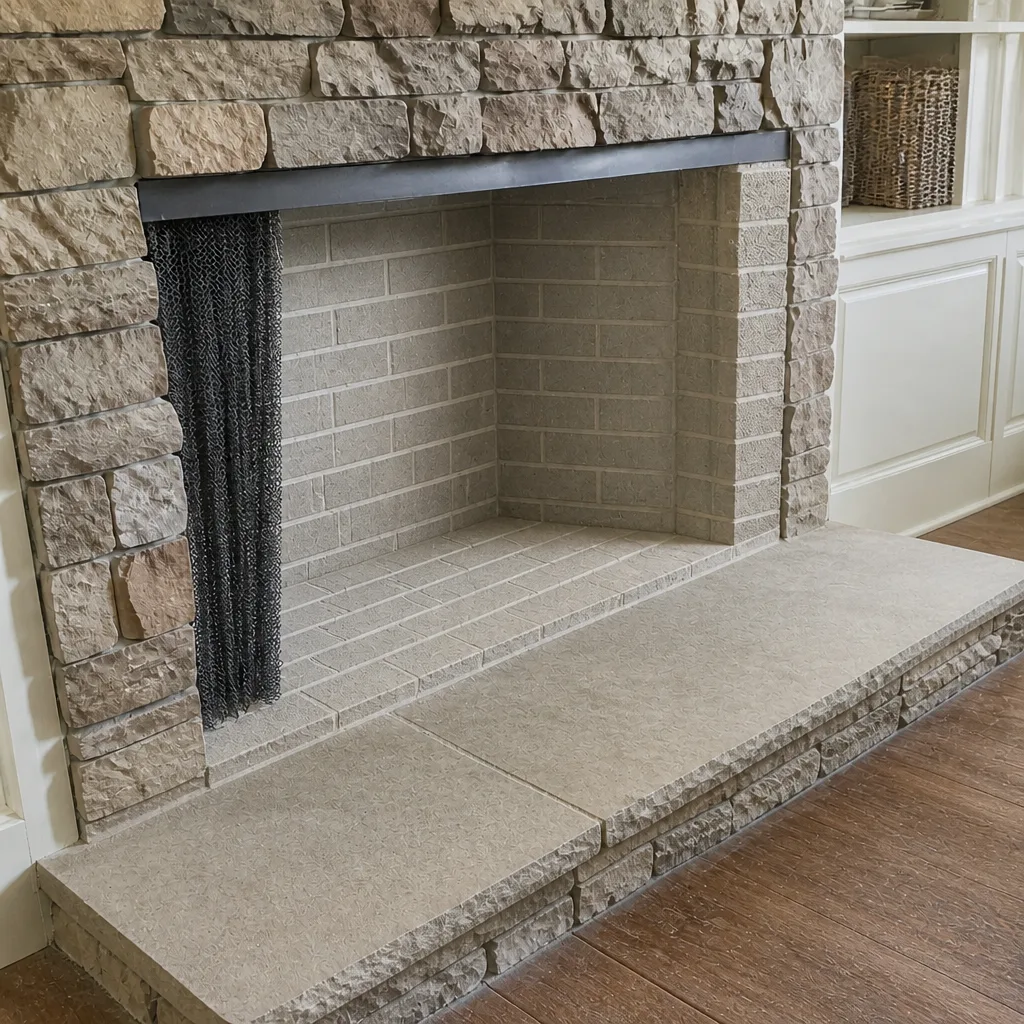
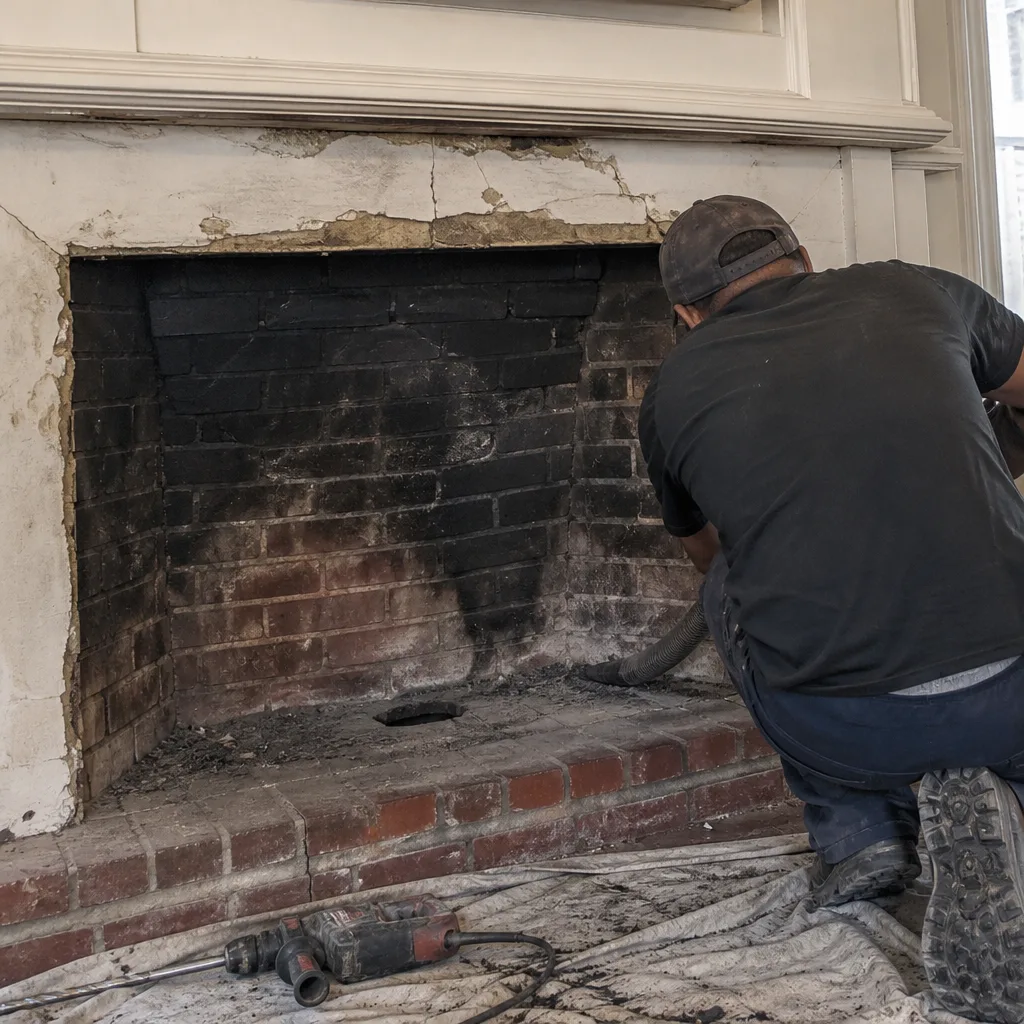
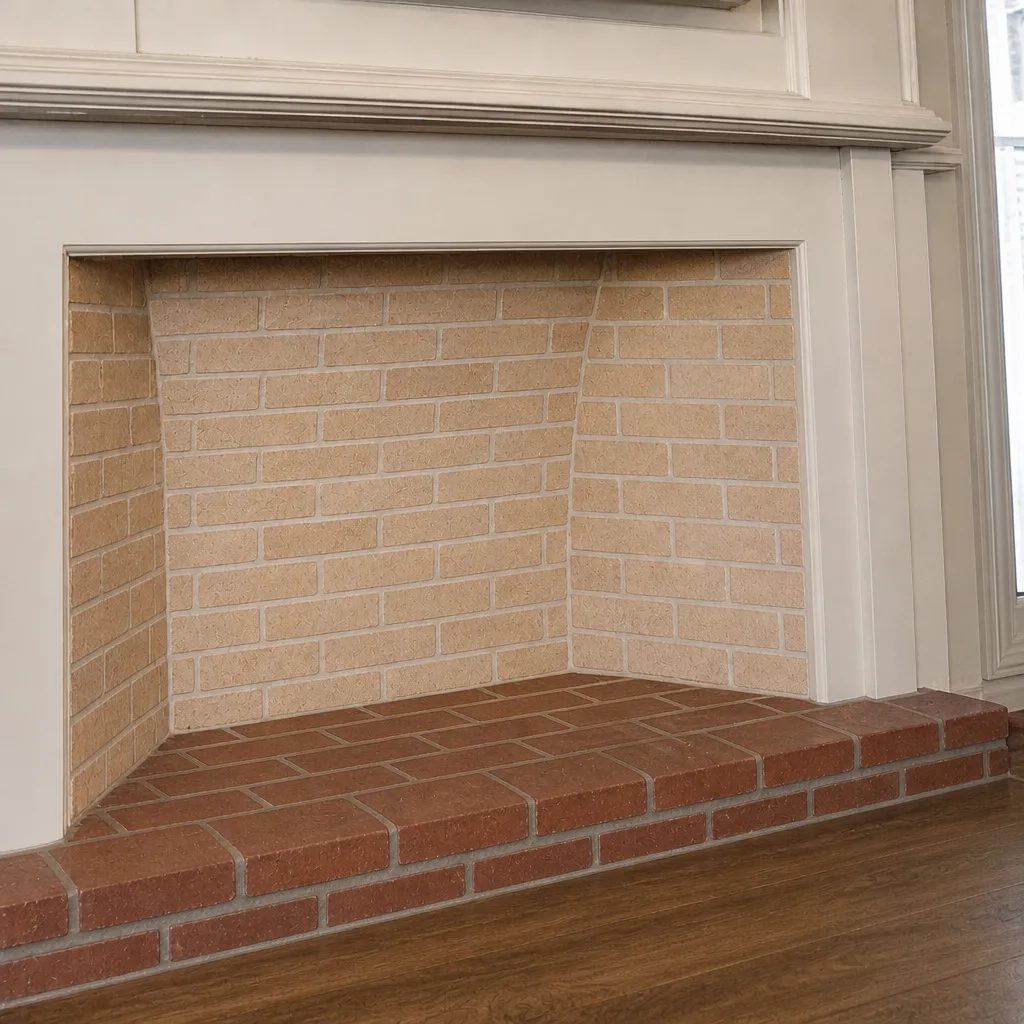
See the difference
 Before
 After
 Before
 After
 Before
 After
When to Call a Professional
Call a professional if your fireplace has stopped drawing smoke cleanly, if you can see cracks in the firebox wider than a coin, if there’s glossy creosote in the flue, if the cap or crown is compromised, if you noticed water staining anywhere inside your firebox or attic, or if you’ve bought a home in Ballantyne and have no record of the last chimney inspection. Also call if the chimney has never been inspected and you’re planning to burn regularly – the initial inspection gives you a baseline for every year after. Chimney Sweep Ballantyne offers free estimates in Ballantyne – call (888) 495-1677. We answer 24/7. Fast dispatch from 7am to 7pm, Sunday through Friday.
Frequently Asked Questions
Once a year if you burn regularly, and every other year if you burn lightly and your inspections come back clean. In Ballantyne, the “burn regularly” threshold is usually a fire most weeks through the colder months. If you burn a handful of decorative fires a year and the flue is vented properly, your annual inspection is the more important visit. Call (888) 495-1677 for an exact quote – estimates are free.
Joints where the mortar has pulled away from the brick, cracks wide enough to see daylight through, or any piece of brick that’s loose or crumbling. A hairline crack that fills with soot and stays put is usually cosmetic; a crack that’s opening is not. A fireplace repair call is worth making the moment you see a joint pulling apart, because firebox damage tends to spread. Call (888) 495-1677 for a free estimate.
Yes, and it’s one of the more valuable inexpensive pieces of equipment on the chimney. A cap keeps rain out of the flue, keeps animals from nesting in the dormant season, and stops the occasional downdraft from sending loose soot into the firebox. A properly sized cap attached to the flue termination will last years. A mismatched cap will leak almost immediately. Call (888) 495-1677 to book a look at your cap and crown – estimates are free.
Normal is a few spalled brick faces on one chimney wall over many years, with mortar joints that are still visually filled. A service call is warranted when multiple courses of brick are spalling, when a joint has receded deeply enough that the brick edges stand proud, or when you can see the inner body of the brick clearly. The rule of thumb: a few isolated spots is a log entry; a pattern is a call.
Usually nothing – and that’s the trap. Skipping a year is most dangerous when the skipped year is the one after a storm, a hard freeze, or a home purchase. The risk isn’t that your fireplace fails; it’s that a small issue gets a full year of local weather to become a bigger one. The least expensive maintenance in Ballantyne is a scheduled annual look. Call (888) 495-1677 for an exact quote – estimates are free.
Not properly. Sweeping is the simple part, but the inspection that comes with it requires knowing what you’re looking at, and the repair that follows requires knowing how to fix it with the right materials. That’s why we work with professional-grade products like DuraFlex flexible stainless liner systems, which let us reline older or offset flues properly where rigid liners fail. Call (888) 495-1677 for a free estimate on a sweep and inspection.
The Bottom Line
A chimney maintenance checklist works in Ballantyne when it’s built around three triggers – fire count, storm events, and the dormant season – instead of a calendar written for a colder climate. Do the safe interior checks after every 25 fires, walk the exterior after every storm, and give the chimney a thorough look when it comes back into use. Keep a written record and photos, because year-over-year documentation is what makes the next inspection meaningful. And leave the flue, cap, crown, and roof-level work to a professional who can see what needs fixing and knows how to fix it correctly. Your fireplace is a system; treat it like one, and the maintenance gets simpler, not harder.
Chimney Sweep Ballantyne offers free estimates in Ballantyne – call (888) 495-1677. We answer 24/7. Fast dispatch from 7am to 7pm, Sunday through Friday.
Written by the team at Chimney Sweep Ballantyne.