
Last updated November 22, 2026
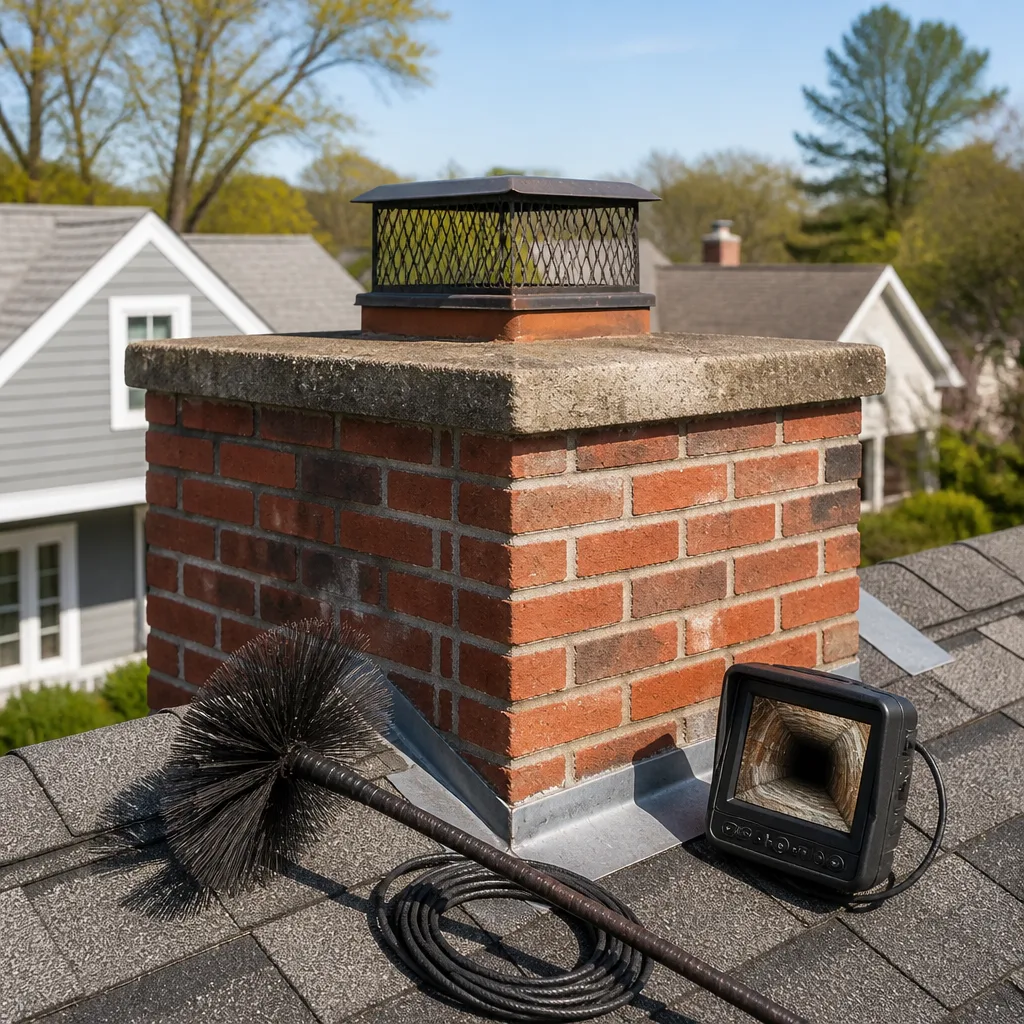 Sweep & inspection
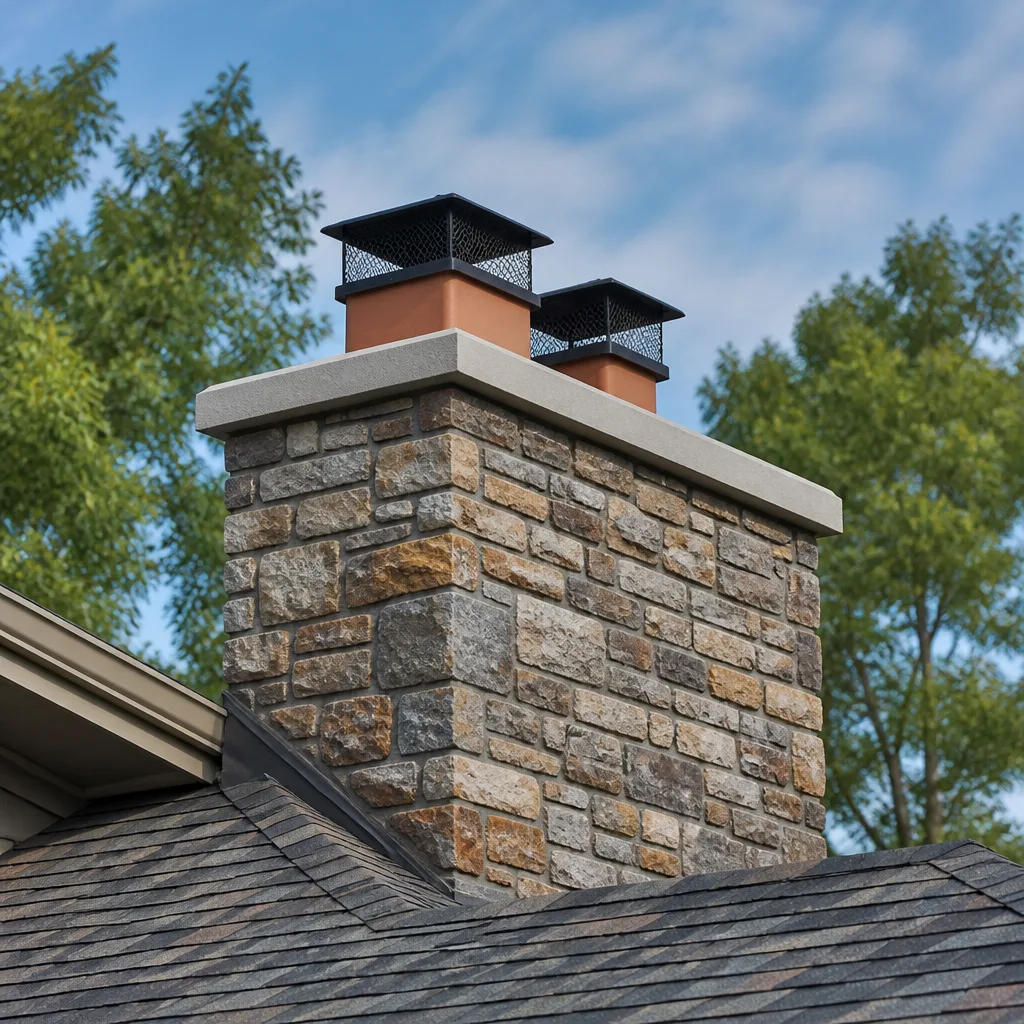 Caps & crowns
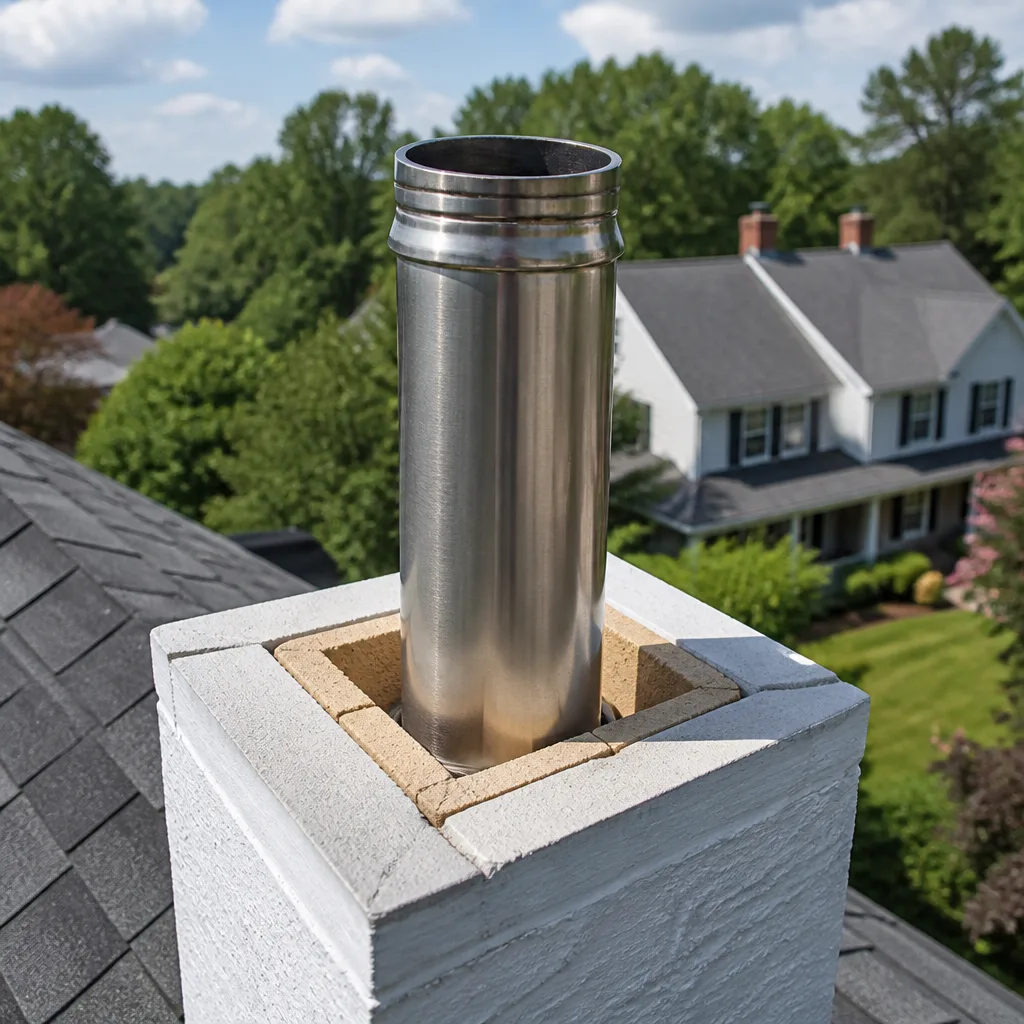 Flue relining
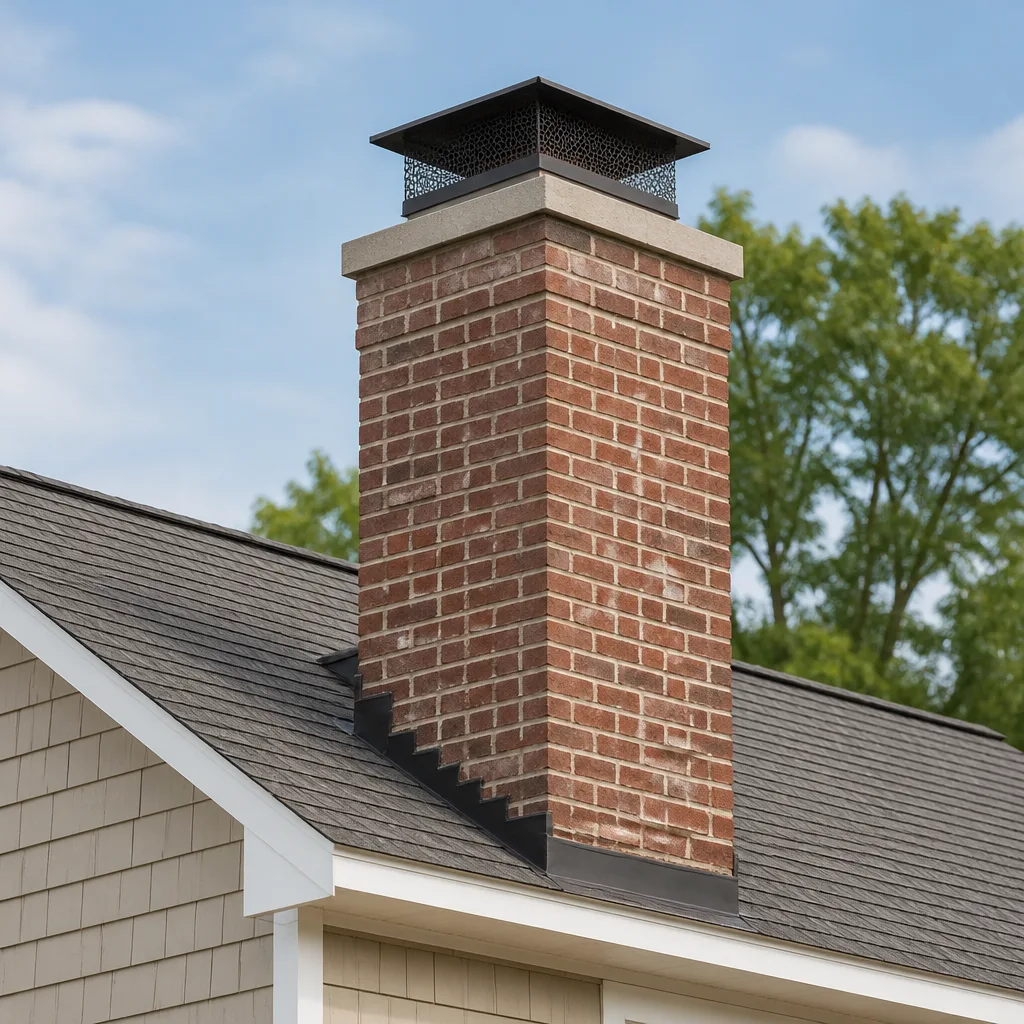 Masonry repair
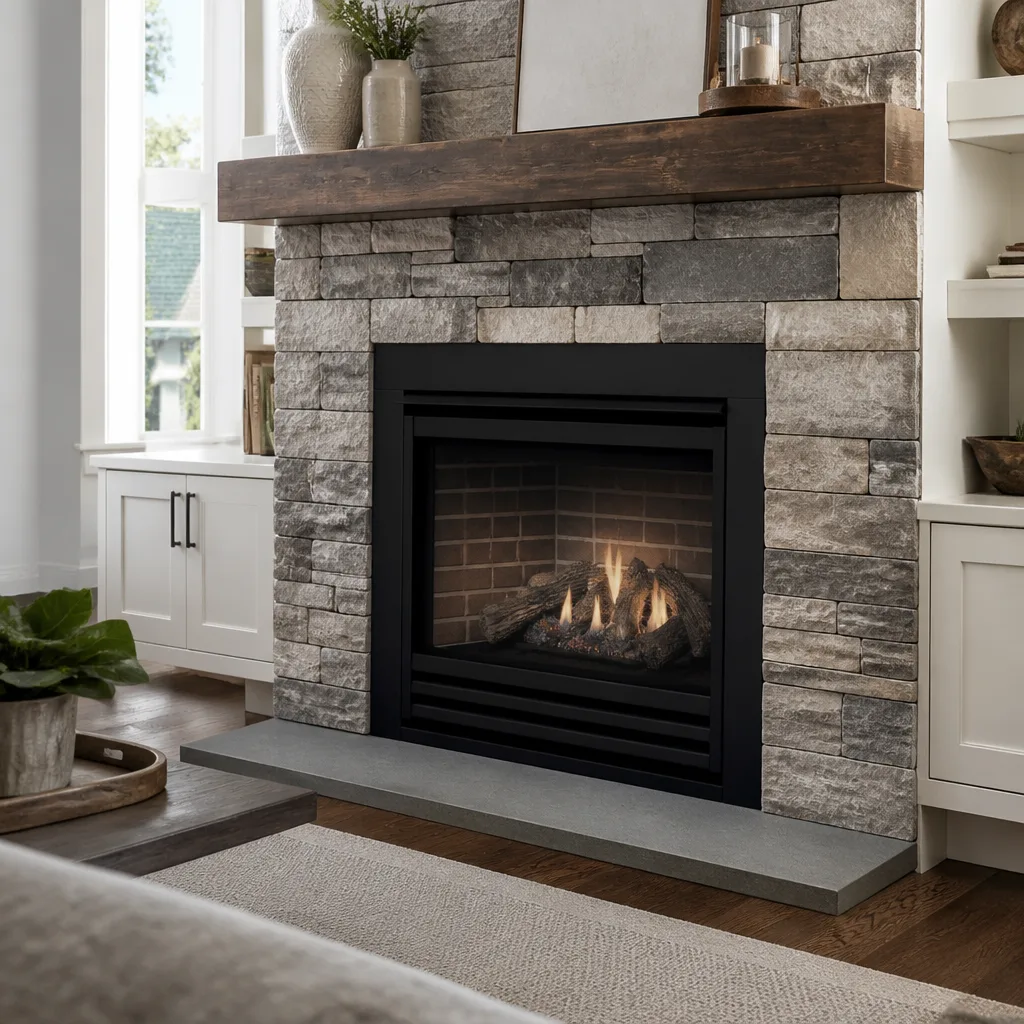 Gas fireplace service
Level 1 sweep and inspection to the NFPA 211 annual standard - flue, crown, cap, and flashing checked and photographed
Chimney sweep logs do not sweep chimneys. They loosen some creosote - which then falls where a brush and vacuum still have to collect it.
The Complete Guide to Chimney Cleaning in Ballantyne
Most homeowners in Ballantyne think they’re on top of their chimney because they burn clean fires and they had it swept a couple of seasons back. Then the flue camera goes up and shows a glaze of creosote bonded to the liner wall that a brush won’t always budge. Here’s the counterintuitive part: the humidity here does as much to damage a flue as the fire does, and it works quietly all summer while the fireplace sits cold. This guide maps what actually happens inside a Ballantyne chimney across a full year, explains the wood you’re burning and how it behaves, walks through what a real cleaning involves from camera to liner check, and shows you how to read your own chimney afterward so you know the job was done right.
Quick Answer
Chimney cleaning in Ballantyne should happen once a year for most households that burn regularly, and the sweep should always come with a visual inspection because cleaning and inspecting are two halves of the same visit. In our humid climate, creosote can glaze into a hard, tar-like second or third degree faster than in drier parts of the country, which is why a brush-only job sometimes isn’t enough. The right interval depends on how much you burn, what you burn, and what the flue looks like on camera, not on a calendar alone.
Styles & brands we work with
- Sweep & inspection
- Caps & crowns
- Flue relining
- Masonry repair
- Gas fireplace service
Table of Contents
- Why Ballantyne’s Humidity Changes Creosote Buildup
- Oak, Pine, and the Byproducts They Leave Behind
- Level 1, 2, and 3 Inspections: Which One You Need
- What a Full-Service Sweep Actually Does, Step by Step
- Liner Condition and When Restoration Makes Sense
- How to Read Your Chimney After a Cleaning
- How Often Should You Schedule a Cleaning?
- What Cleaning Costs in Ballantyne
Why Ballantyne’s Humidity Changes Creosote Buildup
Creosote is the unburned residue that condenses on the inside of a flue as smoke cools on its way out. Its form depends on how hot the fire is, how much air it gets, and how much moisture is in the exhaust stream. Ballantyne sits in a humid corridor, with long summers and mild, damp winters, and that moisture load matters. When a chimney sits idle through a humid stretch, the flue interior stays cool and slightly damp, and that surface holds onto condensation from every fire you light the following season. Creosote that would flake off in a dry climate can bake into a smooth, glazed shell here instead.
The technical distinction matters because it decides how a sweep has to approach the job:
- First-degree creosote is soft, sooty, and flaky. A standard rotary brush removes most of it.
- Second-degree creosote is harder, sometimes crusty or tar-like, and needs more aggressive mechanical removal.
- Third-degree creosote is a glazed, hardened layer bonded to the surface. Brushing alone may not remove it, and it’s the type most associated with chimney fire risk.
What we see in Ballantyne is that the middle category shows up earlier than homeowners expect. A household that burns a cord a season in a drier climate might be a firm first-degree at the annual sweep. The same household here can be edging into second-degree within a couple of seasons, especially if the fire is run cool and smoldering. Cool, smoky fires make the problem worse, not better, because the exhaust spends more time on the flue wall depositing residue. That’s the pattern to understand before the sweep arrives: humidity prepares the surface, and the way you burn decides which creosote type sets into it.
For a full cleaning that accounts for that pattern, this is why we treat chimney sweep work as an inspection-led job rather than a quick brush-down. You can’t pick the right removal method until someone has looked at what’s on the wall.
Oak, Pine, and the Byproducts They Leave Behind
Ballantyne yards are full of oak, and there’s plenty of pine mixed in around the neighborhood’s mature tree canopy. Both burn, and both leave deposits, but they don’t leave the same deposits. Oak is a dense hardwood. It burns hot and slow, holds heat in the coals, and produces a residue that tends to build gradually. Pine is a softwood with more sap and more volatile content. It lights fast, burns hot and bright, and can leave a stickier, more resinous film on the flue wall if it’s not burned hot enough to carry the exhaust out cleanly.
That difference changes your cleaning rhythm. A household that runs seasoned hardwood as the primary fuel usually lands on a predictable annual schedule. A household mixing in green or freshly felled wood, or burning pine as a fire starter, can accelerate residue buildup between scheduled cleanings. Here’s what we look at when we assess a Ballantyne flue:
- Wood species mix: mostly oak, mostly pine, or a blend, because blends deposit differently across the season.
- Seasoning: unseasoned wood carries moisture right up the flue and cools the exhaust, which is exactly what condenses creosote onto the wall.
- Fire management: hot, active fires with good air supply leave less residue than long smoldering overnight burns.
- Burn volume: a cord a season and four cords a season are entirely different cleaning schedules.
The practical takeaway is that you don’t need to avoid pine. You need to burn it well: hot, dry, and not smoldering. Adding a moisture meter to your woodpile is a small investment that pays off in a cleaner flue, because “seasoned” isn’t a guarantee, it’s a claim you can test. If your wood is reading wet on the split face, it needs more time before it goes in the firebox. And if the flue is already showing buildup from last season, a sweep clears the slate before you start testing wood this year.
Level 1, 2, and 3 Inspections: Which One You Need
Every chimney visit should be built on an inspection, and inspections come in three defined levels that match three different situations. Knowing which level applies to your home tells you what the visit should actually cover and helps you spot a company that’s under-inspecting to save time or over-inspecting to sell work you don’t need.
Level 1 Inspection
A Level 1 inspection covers the readily accessible portions of the chimney: the firebox, the damper, the smoke chamber, the visible sections of flue, and the exterior where accessible from the ground. It’s the standard inspection when you’re continuing a routine cleaning schedule, nothing has changed, and there’s no sign of trouble. This is the base level a routine Ballantyne cleaning should include.
Level 2 Inspection
A Level 2 inspection goes further, and it’s the level that applies after a change in the system or after a significant weather event. That means a new appliance, a change in fuel type, a chimney that hasn’t been inspected in a while, a property that’s changed hands, or a storm season that’s passed through the Charlotte area. A Level 2 inspection covers everything in Level 1 plus the accessible portions of the attic, crawlspace, and the exterior flue, and it typically uses a camera to view the flue interior. Here in Ballantyne, with our share of seasonal storms and a steady rotation of houses changing hands, the Level 2 is the inspection that gets requested most often.
Level 3 Inspection
A Level 3 inspection is reserved for when a serious problem is suspected and full access is needed. It can require removing parts of the chimney or building assembly to see concealed areas. It’s not routine, it’s targeted, and it’s the level you’d only reach when there’s a specific reason to go looking. In our experience, most Ballantyne homes stop at Level 2 unless a prior inspection or a camera view already flagged a defect that needs confirmation.
Matching the inspection level to your situation keeps the scope honest. If your last inspection was a routine Level 1 two years ago, and the home has since been sold, the correct request is a Level 2 with camera. If you’ve been burning all season on a known schedule and nothing has changed, a Level 1 with cleaning is the right scope.
What a Full-Service Sweep Actually Does, Step by Step
A full-service sweep should leave you with three things: a clean flue, a documented inspection, and a clear answer on what, if anything, needs attention. A basic brush job leaves you with one. Here’s how a full sweep actually runs, and you can use this sequence to understand what you’re paying for:
- Set up the work area. Drop cloths, a sealed staging area at the fireplace opening, and a downdraft control are standard. Ask before the job starts if you want to know the plan.
- Inspect the firebox and damper first. The firebox, damper, smoke chamber, and the visible flue sections get checked before any cleaning, because it’s easier to see condition before residue is disturbed.
- Sweep the flue. A rotary brush sized to the flue is run up and down the full length of the flue to remove sooty and crusty creosote. A basic brush job stops right around here.
- Run a camera up the flue. A flue camera passes the full length of the liner to view what a brush isn’t designed to see: cracks, gaps at joints, offset transitions, and blockages. You should be shown the footage or the stills on the camera if a defect is found.
- Check the cap and crown. The top of the chimney gets inspected from the roof when safe access is available. Cap condition, crown condition, and the flashing at the roof line are part of the picture. Weatherproofing here matters as much as the sweep itself, since the crown shedding water is what keeps moisture out of the flue between burns.
- Check the liner condition. What the camera found determines what happens next. If the liner is sound, the flue is left clean. If there’s a defect, the sweep report should say exactly what it is and what it means.
- Deliver the report and any estimate. A written report on what was found, the level of inspection performed, and a written estimate for any recommended work. The estimate is the price; nothing gets added after the fact.
The difference between a $99 brush job and a full sweep isn’t loyalty to a brand, it’s the camera and the report. That camera pass is where a sweep catches a cracked liner that a cleaning wouldn’t otherwise expose. When we work, the technician diagnoses the full system, not just the flue interior, because a chimney fire safety check that skips the cap and crown misses the weatherproofing that drives the moisture damage in the first place.
Liner Condition and When Restoration Makes Sense
The liner is the flue’s protective wall. It takes the heat and the residue and works as the barrier between the fire and the surrounding structure. When the liner develops cracks, gaps at the joints, or thin spots, the sweep report should name it plainly and the homeowner should understand the options before deciding what to do. There are three typical paths, and they come up in Ballantyne often enough that it’s worth knowing how they read.
- A clean and monitor approach: the liner shows minor surface condition with no cracks. Cleaning is enough and the liner is re-inspected at the next scheduled service. This is more common than you might expect on a flue that’s been kept up.
- Liner restoration: the liner structure is sound but the interior surface is failing. A ceramic resurfacing application restores a smooth, protective layer to the inside of the existing flue, which can extend the liner’s life without a full reliner. We apply HeatShield restoration as an option in these cases, and it’s a specialist service most general chimney outfits don’t offer.
- Relining: the liner is cracked through, damaged at the joints, or otherwise unsuitable for the appliance. A full reliner is the correct scope. For old or offset flue configurations, a flexible stainless system like DuraFlex lets us reline a flue path that a rigid liner can’t follow cleanly.
Restoration and relining aren’t interchangeable, which is why the camera footage matters. Restoration is the right answer for a flue with sound structure and a failing surface; it’s the wrong answer for a flue with a structural crack. We show the footage before recommending either, because “you need a new liner” is a claim you should be able to verify with your own eyes on a camera feed, not just accept on a technician’s word. Some liner issues can safely wait a season with monitoring, and some can’t. We’ll say which.
For liner repair and cap and crown work that follows the same condition-based logic, our chimney cap & crown service handles the weatherproofing side, and it’s often the work that prevents the next liner problem more effectively than anything else on the roof.
How to Read Your Chimney After a Cleaning
You don’t need to climb on the roof to check whether the sweep did the job well. A homeowner can read a chimney after a cleaning from inside the house and a walk around the outside. Here’s what to check:
- Look in the firebox. A proper sweep leaves the firebox walls and the smoke shelf clean of soot and debris. Not spotless, but no loose creosote flakes.
- Look at the damper. The damper should operate freely after a sweep, because cleaning includes the smoke chamber above it. If a damper was stiff before, it should feel smoother.
- Look up the flue from the firebox with a flashlight. You should see a clear flue surface, not a coated wall with dark glazing still attached to the sides.
- Ask to see the camera stills. A full sweep should show you what the camera saw. If no camera was run, ask for the inspection level and what limits it had.
- Walk the exterior. The cap should sit flush and the crown should look intact with no cracks or missing chunks. From the ground, look for loose cap components, degraded sealant around the flashing, or staining that wasn’t there before.
- Read the written report. It should name the inspection level performed, what was found, and, if work is recommended, a written estimate. If any of that’s missing, the job isn’t finished.
The overall picture is simple: a cleaned Ballantyne chimney looks and reads like a system that’s been checked, not just brushed. The report is your evidence that the sweep was a full one. If you’re not handed or sent one, the sweep job isn’t complete by our standard.
How Often Should You Schedule a Cleaning?
For most Ballantyne households, once a year is the right baseline. The variables behind that number matter, though, because “annual” isn’t a rule so much as a starting point that adjusts to your habits:
- Burn volume: a household burning several cords a season and using the fireplace as primary winter heat needs the sweep on schedule every year, sometimes the sweep plus a mid-season camera check on the flue.
- Burn habits: smoldering overnight fires and unseasoned wood accelerate buildup; hot, dry fires slow it.
- Prior inspection findings: a flue that showed early glazing or a slightly rough surface gets re-inspected at the next annual visit rather than skipped.
- Home history: if you’ve moved into an older home or one whose service history is unknown, a Level 2 inspection with camera is the correct starting point, even if the previous owner said it was recently swept.
If you’re in any doubt, run a sweep and let the inspection settle it. There’s no downside to an early cleaning and a full camera pass, and there is a downside to waiting out a buildup that’s already glazed. The best guide is what the camera showed last season and how the fire was burned since. If that was clean and your burn pattern hasn’t changed, the annual visit is more than sufficient.
What Cleaning Costs in Ballantyne
Cost depends on the scope of the visit, the flue condition, and whether it’s a standard cleaning or a cleaning that turns into a Level 2 inspection with camera and possibly a cap or crown repair. For a guide this is a rough way to think about it:
| Scope | What it typically covers | Typical relative cost |
|---|---|---|
| Standard sweep | Brush cleaning of the flue, firebox, damper, smoke chamber, and a Level 1 inspection | Lowest of the professional options |
| Full-service sweep | Standard sweep plus camera flue review, cap and crown condition check, and a written report | Higher, and where the diagnostic value sits |
| Level 2 inspection | Cleaning plus camera view of the flue, and inspection of accessible attic and exterior sections | Higher again, and the level to request after a storm season or a change of ownership |
| Cap or crown repair | Weatherproofing work at the top of the chimney | Depends on the specific repair; estimate at the visit |
| Liner restoration | HeatShield ceramic resurfacing of a sound liner with a failing surface | Costs less than a full reliner; specific price by written estimate |
| Full reliner | New liner installed, including flexible stainless systems like DuraFlex where an offset or older flue requires one | Highest of the scopes; quoted in writing after camera review |
We price each job on its own scope, and the written estimate is the price. There are no add-ons after the visit. If a camera inspection turns up something more than expected, you get the footage and the options before anything is scheduled, so you can decide on facts rather than on a technician’s optimism. That’s the point of the estimate being free: it lets you see the scope without committing to work you haven’t verified.
For context on the full range of fireplace and chimney services that often go with a cleaning, the fireplace repair side of our work covers the appliance itself, and it’s worth knowing what’s part of a routine sweep versus a separate scope.
Common Mistakes to Avoid
- Assuming a clean-looking firebox means a clean flue. The firebox can look spotless while the flue holds a glazed layer of creosote above it, which is exactly the layer a camera catches and a quick visual doesn’t.
- Burning unseasoned wood to save a few dollars. Wet wood carries moisture straight up the flue, cools the exhaust, and accelerates condensation onto the wall. It’s the single most common driver of premature buildup we see in Ballantyne.
- Treating a brush job as an inspection. A brush removes residue; it doesn’t examine the liner, the cap, or the crown. If the visit didn’t include a camera and a report, you don’t know what condition the system is actually in.
- Accepting a reliner recommendation without seeing the footage. You’re entitled to see the camera evidence of a liner defect before committing to reliner cost. Any chimney company that can’t show you should give you a reason to pause.
- Skipping the sweep in a mild winter. Ballantyne winters are mild enough that some homeowners burn only a few fires and assume they’re off the hook. Mild winters don’t skip the humidity damage, and a flue that sat idle through a humid summer is still worth inspecting before the next burning season.
- Letting a cap or crown problem sit. Water intrusion at the top of the chimney is one of the quiet ways a liner starts failing. A cap that’s missing or a crown with a crack is a weatherproofing issue first and a fire issue second.
- Hiring the cheapest bid without knowing the scope. The lowest quote is only fair pricing if it covers the cleaning and a real inspection. If it doesn’t, you’ll pay for the inspection later, likely after the flue has already worsened.
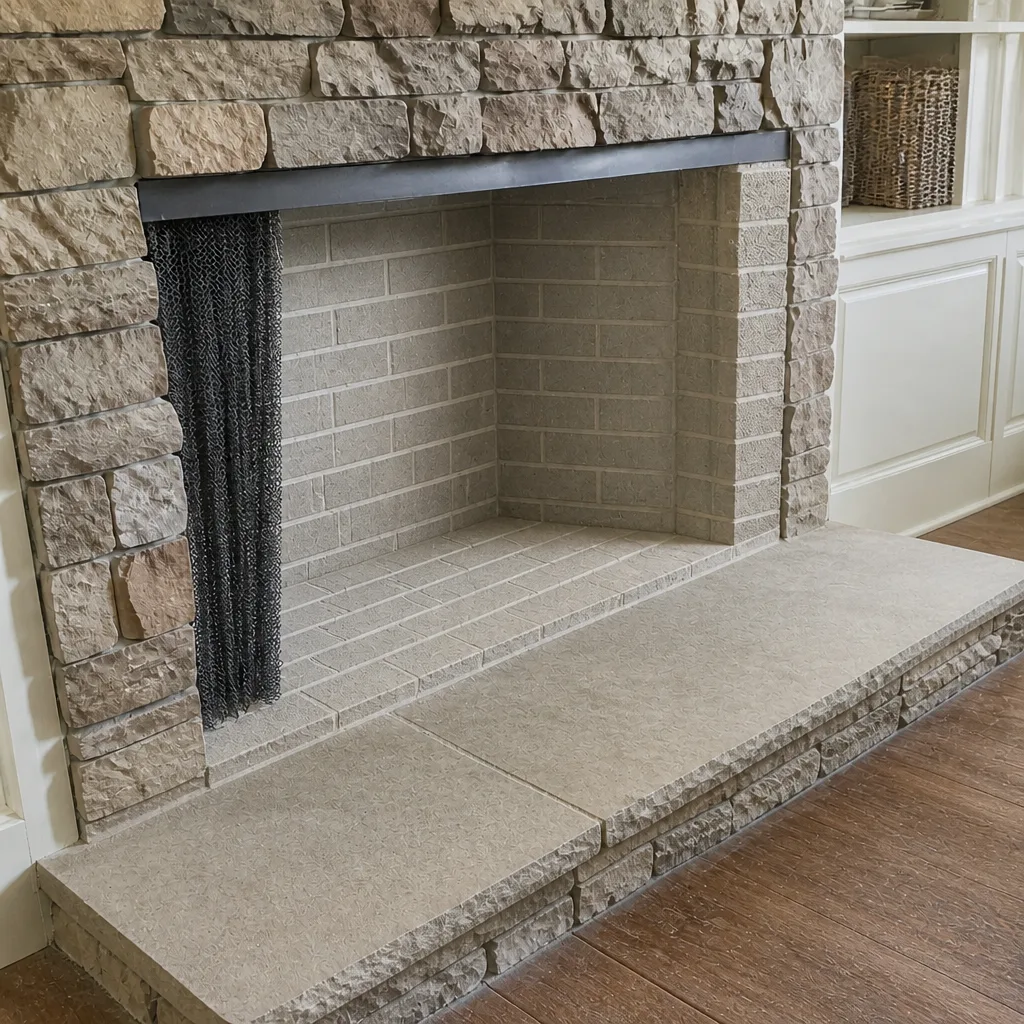
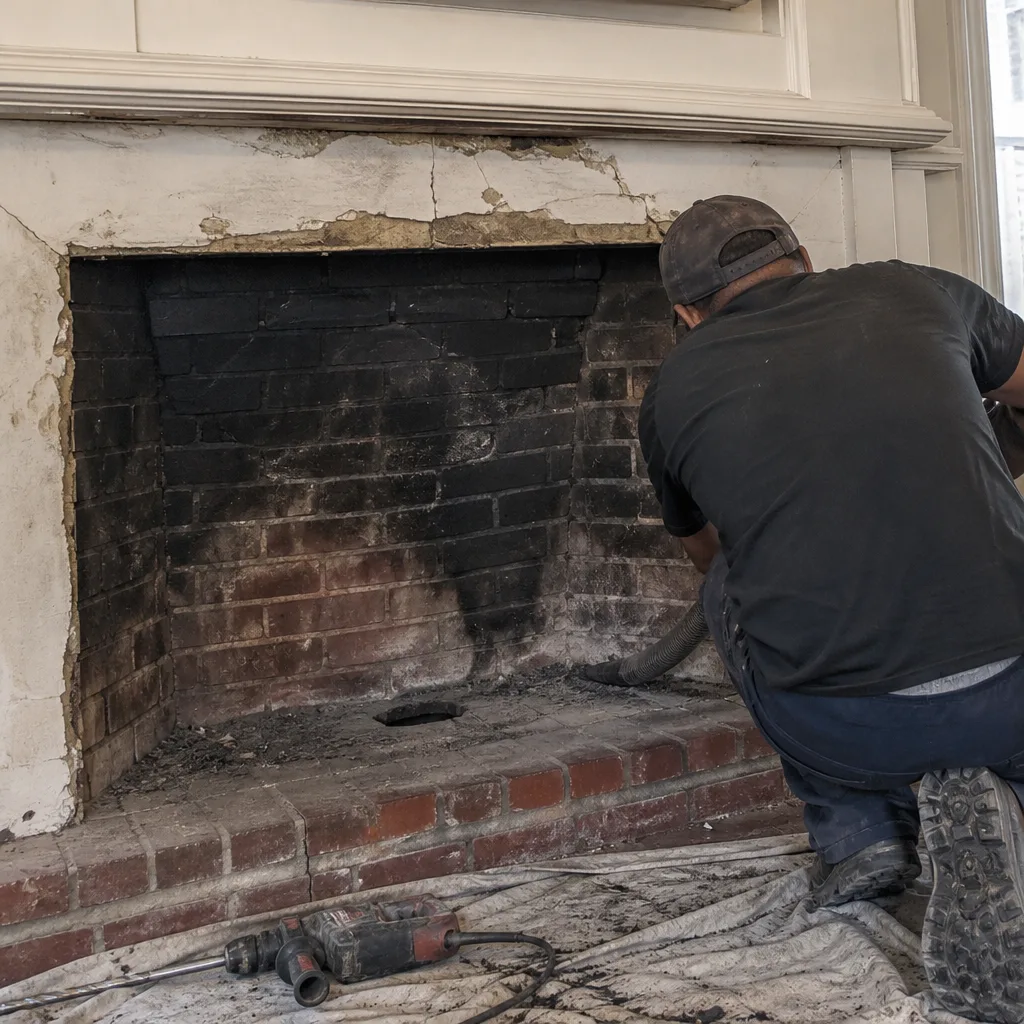
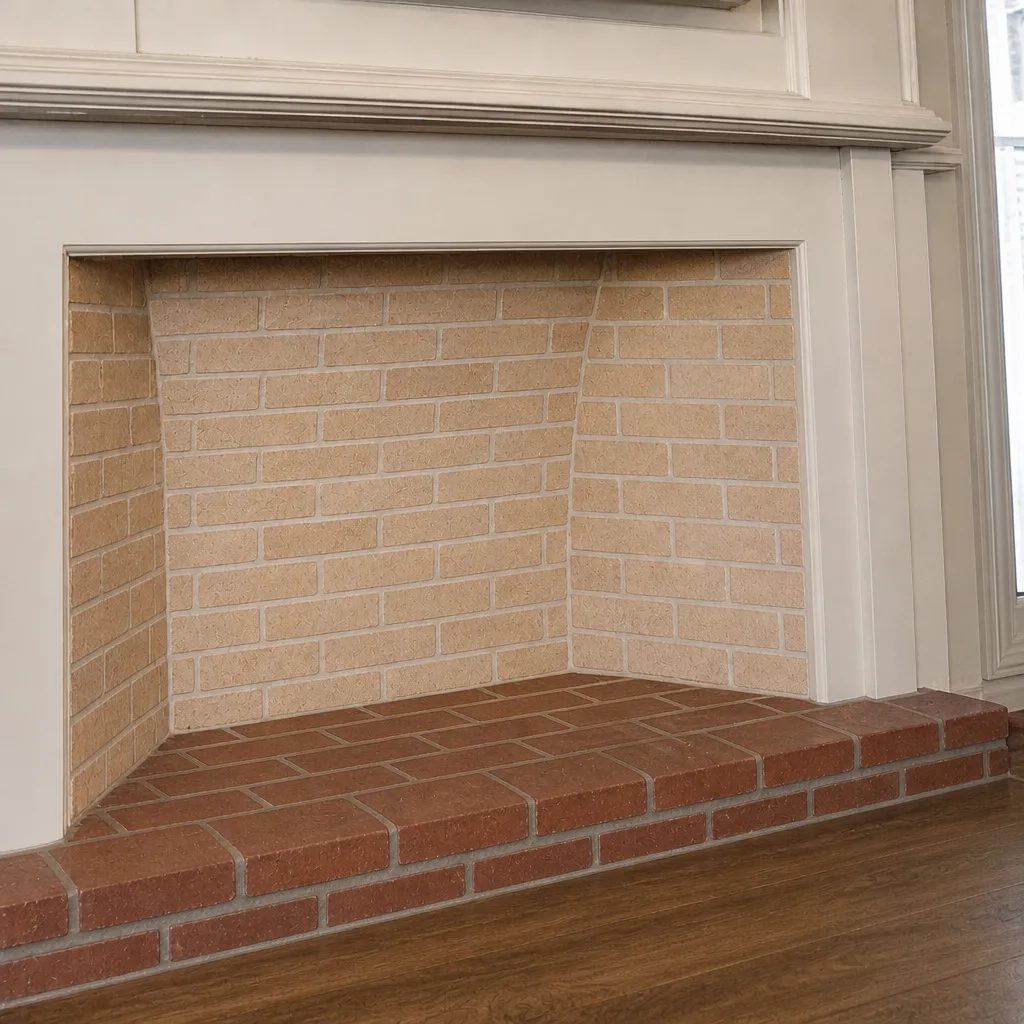
See the difference
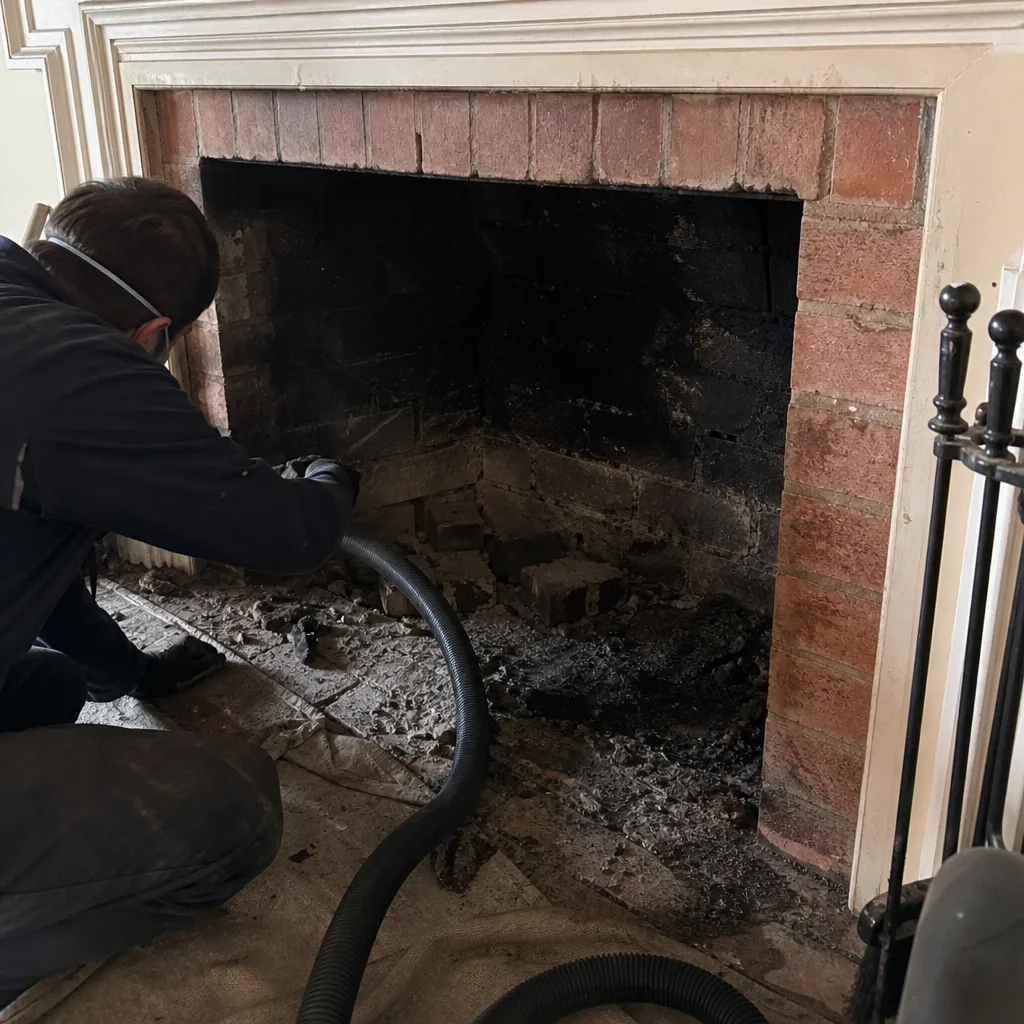 Before
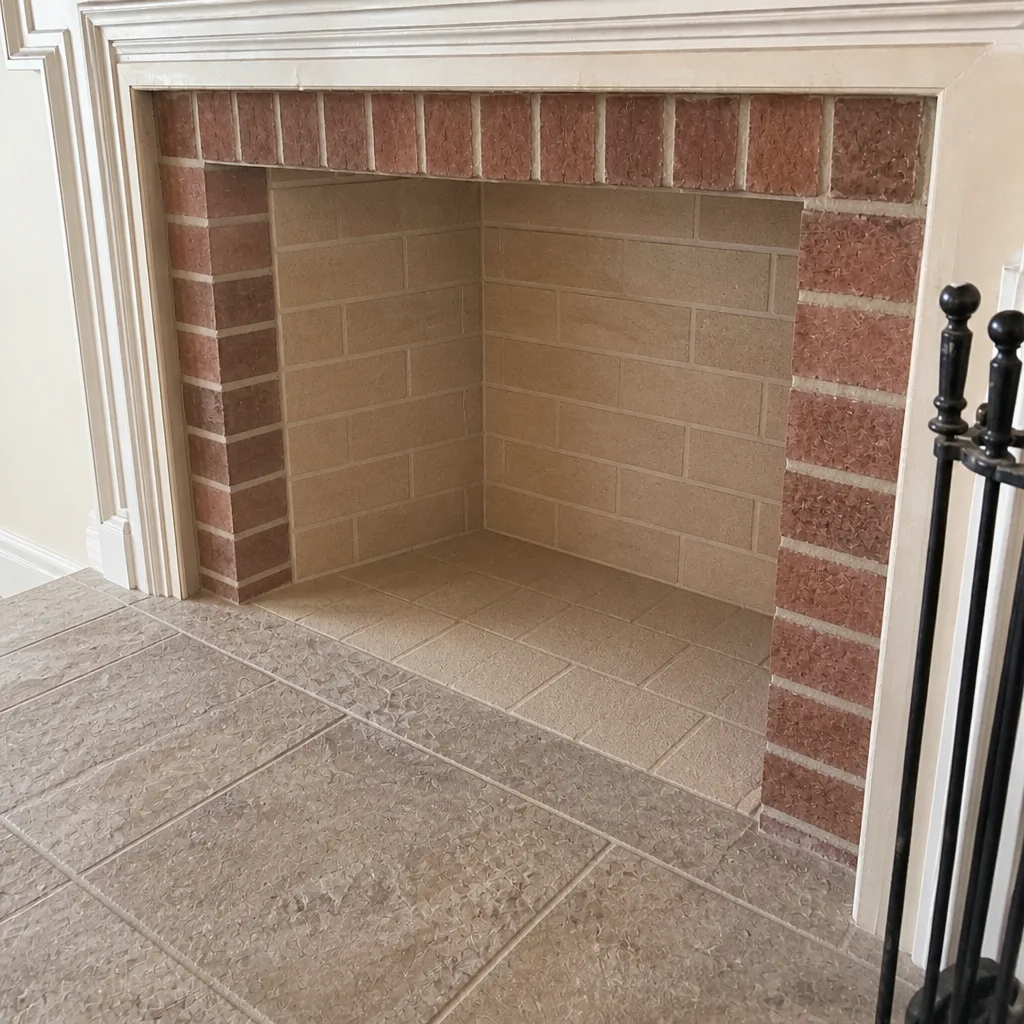 After
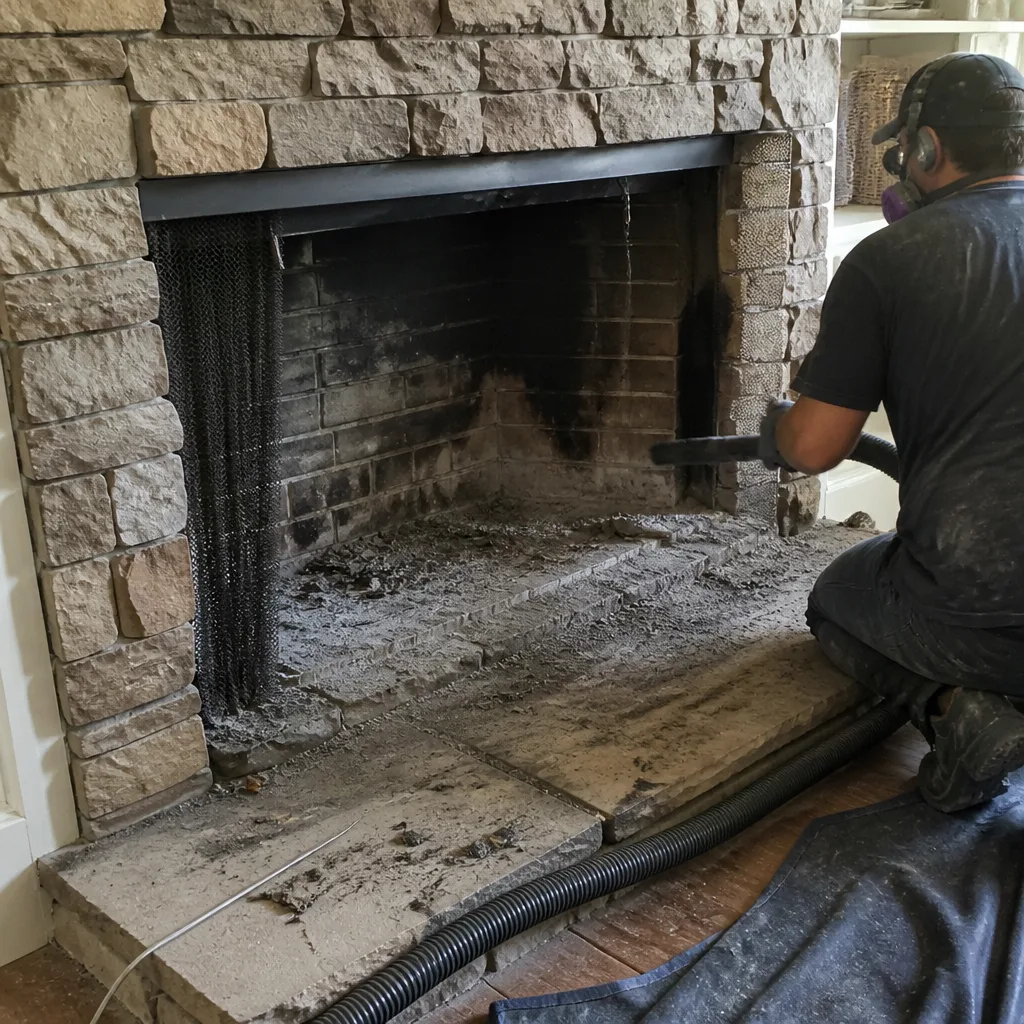 Before
 After
 Before
 After
When to Call a Professional
Some chimney issues are worth a call rather than a wait. If it’s been more than a year since the last cleaning and you’ve burned through the season, that’s a clean call. If you’ve moved into a home in Ballantyne and don’t have a service history for the chimney, a Level 2 inspection with camera is the right starting point, not a brush job. If you’ve noticed the smell of smoke in the house on a cold day with no fire lit, that’s a reason to have the flue checked for a blockage or a downdraft pattern. If the cap is loose, a chimney crown has cracked, or you see staining on the exterior that wasn’t there before, that’s weatherproofing work and it’s worth a visit. If the firebox lining or the damper has any visible damage, don’t light another fire until it’s been looked at.
Chimney Sweep Ballantyne offers free estimates in Ballantyne. Call (888) 495-1677. We answer 24/7. Fast dispatch from 7am to 7pm, Sunday through Friday.
Frequently Asked Questions
Pricing depends on the scope: a standard sweep costs less than a full-service sweep with camera and report, which costs less than a Level 2 inspection, and liner or crown repair is quoted on its own after inspection. We estimate each job in writing and the written estimate sets the final price, with no add-ons after the visit. Call (888) 495-1677 for an exact quote. Estimates are free.
Once a year for most households that burn regularly, adjusted for how much and what you burn. In Ballantyne’s humid climate, a flue that runs cool, smoldering fires with unseasoned wood can build second-degree creosote faster than the annual calendar suggests. If the camera showed earlier glazing at the last visit, re-inspect on the annual schedule rather than skipping a season. Call (888) 495-1677 to book a sweep and inspection.
Only if the camera shows a defect that justifies one: a crack through the liner, failed joints, or a surface unsuitable for the appliance. If the liner structure is sound and the surface is failing, restoration with HeatShield ceramic resurfacing is an option that can extend the liner without a full reliner. We show the camera footage before recommending either, so you decide on evidence you’ve seen. Call (888) 495-1677 to arrange a camera inspection and estimate.
Creosote keeps building, and in this climate it can harden from a flaky first-degree layer into a glazed second or third-degree one that a standard brush won’t fully remove. That thicker layer is the one associated with chimney fire risk, and it also reduces the flue’s draft over time. The safest course is a cleaning and inspection before the next burning season starts. Call (888) 495-1677 for a free estimate.
Yes, because the flue surface holds moisture between seasons and that surface is what creosote bonds to. A humid corridor means the plaster of residue on the flue wall is easier to glaze into place during a burn than it would be in a drier climate. That’s why our advice here leans toward looking at creosote type, not just buildup volume. Call (888) 495-1677 to schedule a camera inspection that assesses the type.
Most routine sweeps and repairs are scoped in one visit’s work, and if the inspection turns up work that needs to be scheduled, you’ll have the written estimate in hand before you decide. Our technicians have up to 13 years of experience, and every job we do runs through the same sweep, inspect, and quote sequence. Call (888) 495-1677 to talk through your scope.
The Bottom Line
Cleaning a Ballantyne chimney is really about understanding what the local climate and the way you burn do to the inside of the flue. Humidity readies the flue surface, wood choice and burn habits determine the type of creosote that sets into it, and the inspection is what tells you where the flue stands right now. A full sweep should bring a cleaning, a camera pass, a cap and crown check, and a report you can read and keep. The annual visit handles most households, and the camera is what turns a “should be fine” into a documented answer. If it’s been more than a year, or you don’t know the history on a new home, book it now and let the evidence decide the rest.
Ready to schedule? Call Chimney Sweep Ballantyne at (888) 495-1677 for a free estimate. We answer 24/7. Fast dispatch from 7am to 7pm, Sunday through Friday. Start with the Chimney Sweep Ballantyne page if you’d like to see the full range of what we handle in this area.
Written by the team at Chimney Sweep Ballantyne.