
Last updated November 22, 2026
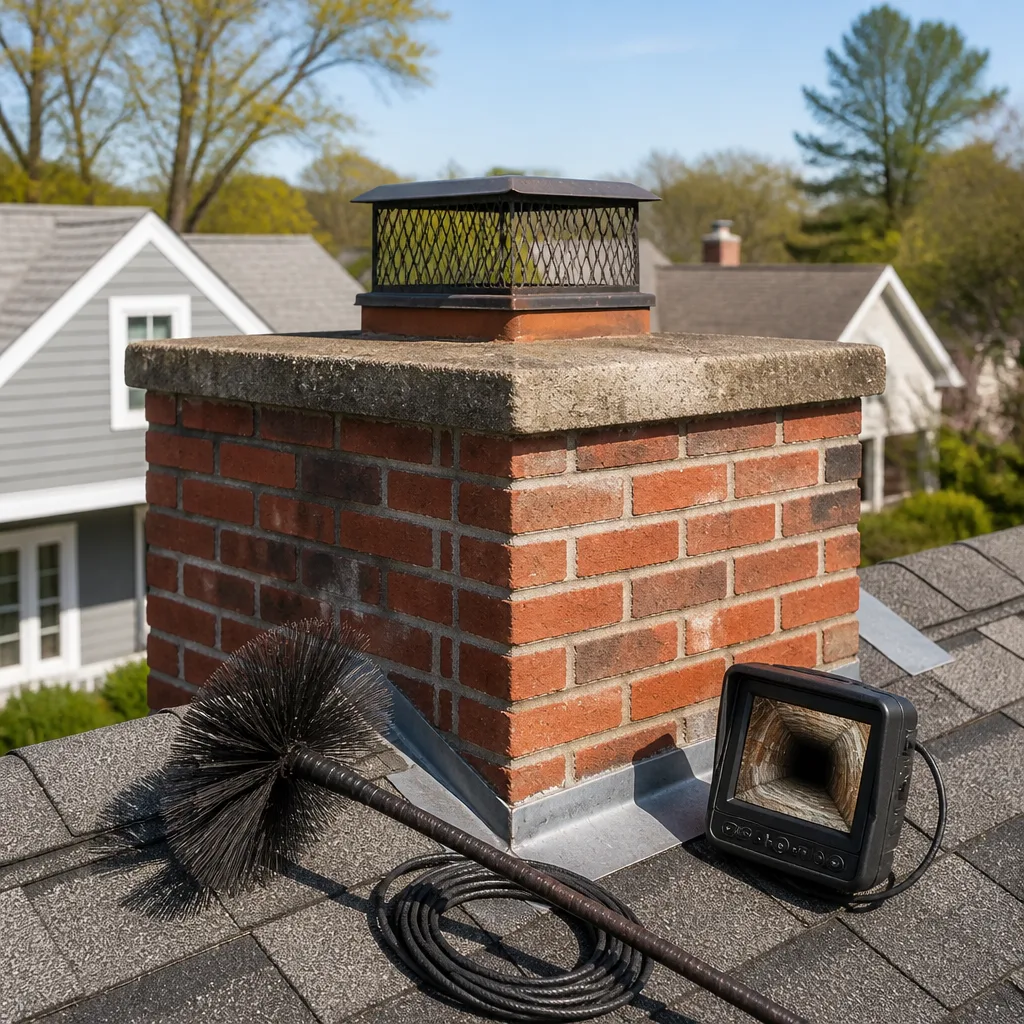 Sweep & inspection
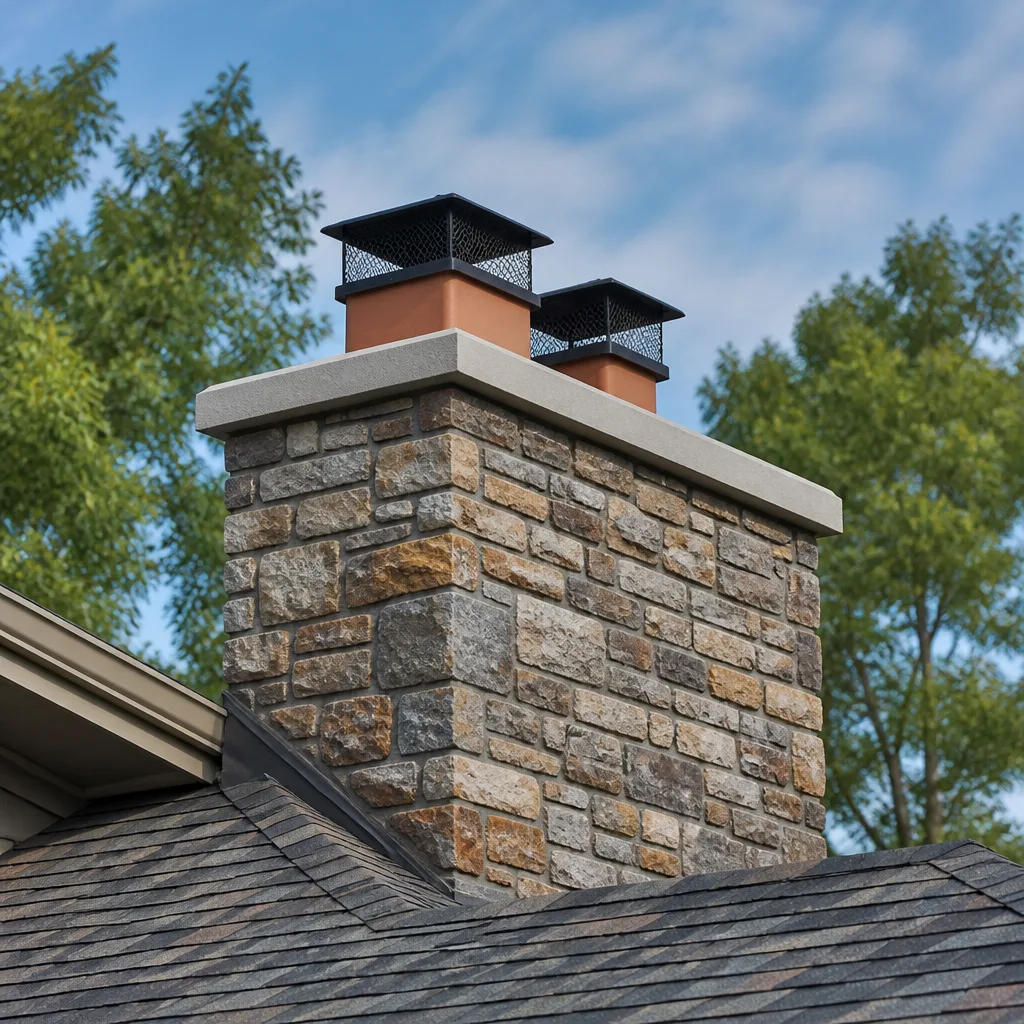 Caps & crowns
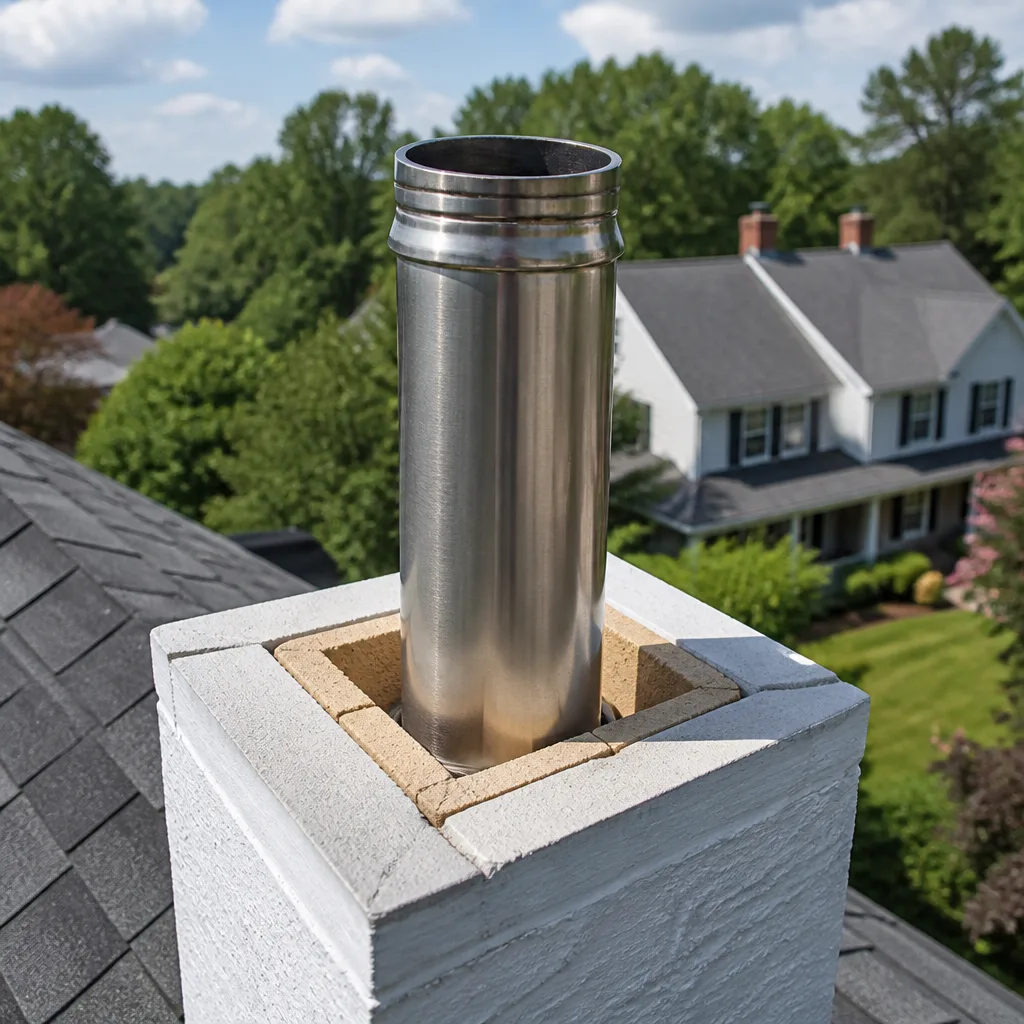 Flue relining
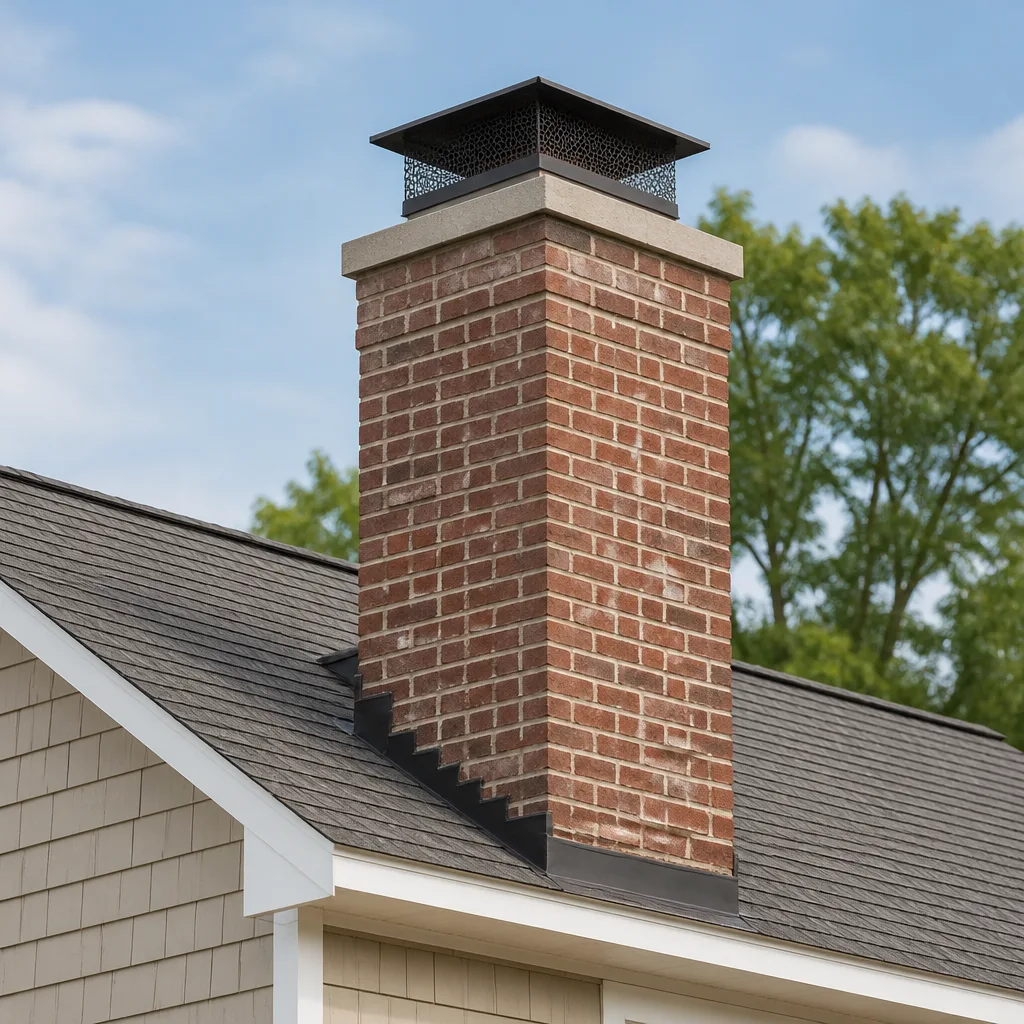 Masonry repair
 Gas fireplace service
Level 1 sweep and inspection to the NFPA 211 annual standard - flue, crown, cap, and flashing checked and photographed
Chimney sweep logs do not sweep chimneys. They loosen some creosote - which then falls where a brush and vacuum still have to collect it.
How to Hire a Chimney Cleaning Contractor in Ballantyne: A Step-by-Step Guide
Most homeowners in Ballantyne hire a chimney sweep the same way they’d order a pizza: search, call the first number, book whoever can come quickest. That works fine for pizza. It’s a poor way to choose someone who will climb onto your roof, scope the inside of your flue, and decide whether the thing venting carbon monoxide out of your house is safe. Chimney work in the Charlotte metro is lightly regulated. A handyman with a shop vac, a brush kit, and a magnetic sign on his truck can advertise himself as a chimney sweep tomorrow and be on your roof by Thursday. This guide shows you how to filter those operators out before anyone pulls up your driveway. You’ll learn how CSIA credentials are verified, what to ask about inspection cameras, why material inventory matters, and how to compare quotes without getting fooled by apples-to-oranges pricing. Ballantyne homes deserve a real specialist, not a generalist with a ladder.
Quick Answer
To hire a chimney cleaning contractor in Ballantyne, verify the contractor holds active CSIA certification through the Chimney Safety Institute of America’s public directory, confirm they scope the flue with a camera during the inspection, ask which professional-grade liner and cap materials they stock, and compare quotes by scope of work rather than headline price. A reputable sweep will show you photos of what he sees inside your flue and explains it in plain language. If any of those four things is missing, keep looking.
Styles & brands we work with
- Sweep & inspection
- Caps & crowns
- Flue relining
- Masonry repair
- Gas fireplace service
Table of Contents
- Why Hiring a Chimney Sweep in Ballantyne Isn’t Like Hiring Any Other Trade
- What CSIA Certification Actually Means and How to Verify It
- The Three Questions That Expose an Unqualified Sweep in 60 Seconds
- Why Professional-Grade Materials and Stocked Inventory Matter
- Understanding Inspection Levels and Why the Camera Matters
- Red Flags to Watch for on Angi, Thumbtack, and Similar Listings
- How to Compare Quotes Without Getting Fooled
- Ballantyne-Specific Considerations: Housing Stock, Fireplace Habits, and Seasonal Timing
Why Hiring a Chimney Sweep in Ballantyne Isn’t Like Hiring Any Other Trade
Hiring an electrician is straightforward because most states license electricians, bond them, and publish complaint histories. Chimney work sits in a strange gap. Many municipalities lump chimney cleaning under general handyman permits, which means almost anyone can hang a shingle and start sweeping. Here in Ballantyne, that gap is filled by three overlapping groups: dedicated chimney specialists, general handymen who added chimney services as a revenue stream, and online marketplace gigs run through platforms like Thumbtack or Angi. The last two categories rarely stock professional-grade liner and cap materials, rarely scope flues with cameras, and rarely offer the sort of inspection that catches cracked liners before they become dangerous.
When you hire a chimney specialist in Ballantyne, you’re paying for more than cleaning soot. You’re paying for a trained eye that can spot a failing crown, a spalling flue tile, an improperly sized flue, or a bird nest wedged above the smoke chamber. Those discoveries are exactly what a general handyman misses because his job ends when the brush goes back in the van.
Our own technicians have up to 13 years of experience running hundreds of sweeps, inspections, and repairs across the Charlotte metro area. The pattern we see over and over is homeowners who’ve paid for three “sweeps” over the years and still don’t know their flue was never scoped. So the rest of this guide breaks the hiring decision into discrete, verifiable steps.
What CSIA Certification Actually Means and How to Verify It
The Chimney Safety Institute of America (CSIA) is the closest thing this trade has to a national credential. Certified Chimney Sweeps have passed a rigorous exam covering venting science, combustion, code, and safety. They also commit to the CSIA Code of Ethics and must recertify. That’s the standard. Now the hard part: verifying it.
You cannot verify CSIA status by asking the person on the phone. Anyone can say “yes” to that question. There’s only one reliable method:
- Visit csia.org and use their “Find a Certified Chimney Sweep” directory.
- Enter your ZIP code (Ballantyne sits in the 28277 ZIP area).
- Confirm the company name on the certification appears exactly as it does on the quote or invoice.
- Ask the technician at the door for his CSIA photo ID and match the name to the directory listing.
The Zap matter here is that some contractors advertise “CSIA-trained” versus “CSIA-certified.” Those are different things. Trained means they’ve attended a course. Certified means they’ve passed an exam, maintain the credential, and are listed in the directory. Only one of those is meaningful. If a contractor dodges the question, changes the subject, or says “we’re certified through another body,” ask which body, then look it up.
At Chimney Sweep Ballantyne, every technician is trained to the standard a full CSIA-certified sweep follows. The reason we mention the CSIA test at all is that it’s the fastest objective filter available to a homeowner, and every minute you spend verifying it saves an hour of regret later. If a contractor takes offense at being asked, that’s its own answer.
The Three Questions That Expose an Unqualified Sweep in 60 Seconds
Not every homeowner has time for a fifteen-minute interview. The following three questions cut through the sales pitch quickly, and the way a contractor answers them tells you almost everything:
- “Do you scope the flue with a camera during the inspection, and will I see the footage?” Someone running a legitimate chimney service has a camera on the truck and offers a photo or video report. A handyman with a brush kit will change the subject, promise to “take a look,” or talk about how the roof angle makes it tough.
- “Which liner and cap systems do you install, and are they in stock?” A dedicated specialist works with established chimney product lines like DuraFlex, HeatShield, Gelco, and Olympia Chimney. Generalists often source unspecified parts from big-box retailers or from whatever the local supply house has on the shelf that week. If the answer is vague, assume the worst.
- “What inspection level does my job include?” NFPA 211 recognizes three inspection levels. A basic sweep, a Level II with a camera, and a Level III with destructive access are different services with different purposes. A contractor who doesn’t recognize the distinction isn’t performing the inspection your insurance company or a future buyer will expect.
Any one of these questions on its own is useful. Taken together, they form a sixty-second screen. In our experience serving Ballantyne and surrounding communities, most of the contractors who fail these screens are the ones who quote the cheapest price upfront. Cheap and thorough rarely travel together in this business.
Why Professional-Grade Materials and Stocked Inventory Matter
A chimney is a system, not a hole in the roof. Liner, cap, crown, smoke chamber, damper, and firebox all work together. When any one of those components is replaced with an inferior part, the whole system’s performance degrades. That’s why the materials question is not a matter of preference or brand loyalty. It’s a question about whether your contractor’s parts will survive a decade of Charlotte-area weather and heat cycles.
Here’s what we mean by professional-grade:
- DuraFlex flexible stainless liner systems allow proper relining of older or offset flue configurations where rigid liners can’t make the bends. The wrong liner in an offset flue is worse than no liner.
- HeatShield ceramic liner resurfacing is a restoration method that extends the working life of a masonry flue without a full reliner. Most general handymen don’t know the process exists because it requires specialized training and certification to apply correctly. We’re HeatShield-certified to apply it.
- Gelco and Famco caps and crowns are manufactured to match standard flue dimensions, which is what gives you weatherproofing that doesn’t rely on silicone and hope.
- Olympia Chimney systems round out the professional inventory for specific installations where a particular configuration is called for.
When a contractor tells you he’ll “get the materials,” ask where from. When he tells you he has to order them, ask how long the wait will be. When he tells you it’s a house brand, ask who makes it. Contractors who routinely work with professional lines have the parts in inventory because they use them every week. In Ballantyne, where many homes were built across the last few decades and original liners are aging out, that inventory matters more than a headline price.
If you want a deeper look at the specific products and processes we use, our chimney sweep service page walks through the whole cycle. It is worth mentioning that chimney cap & crown work is performed with manufacturer-matched components for exactly the reason we described above: verified fit beats improvisation every time.
Understanding Inspection Levels and Why the Camera Matters
Every reputable chimney contractor references the same framework: the three inspection levels defined by NFPA 211, the national standard for chimneys, fireplaces, vents, and solid fuel-burning appliances. If a contractor you’re considering doesn’t recognize those levels, that’s a red flag on its own. Here’s what they broadly mean:
- Level I inspection: A visual check of readily accessible portions of the chimney and firebox, usually performed alongside an annual sweep. It catches the obvious – heavy creosote buildup, cracked tiles you can see from the firebox, blocked dampers, loose caps.
- Level II inspection: Everything in Level I, plus a camera scope of the interior flue. This is the inspection most homeowners actually need. It’s expected at purchase, after a chimney fire, after a change of fuel type, or whenever there’s been a change in the appliance or the way the fireplace is used. The camera reveals cracks, gaps, missing mortar joints, and separated liner sections that nothing else can find.
- Level III inspection: The most involved. Performed when a Level I or II reveals a hidden problem that requires access to concealed portions. Rare, but necessary when a serious structural or safety issue is suspected.
If you have never seen a camera go down your flue, you have never had a Level II inspection. That’s a statement most homeowners don’t hear until something goes wrong. A sweep with a camera can show you a cracked tile the size of a pencil line. A sweep without one is guessing about the same flue. Modern chimney video scope equipment is not exotic or expensive, so there’s no legitimate excuse for skipping it on a home older than a couple of decades. Ask upfront. Get it in writing. Look at the footage yourself.
Red Flags to Watch for on Angi, Thumbtack, and Similar Listings
Marketplace platforms are useful for finding a plumber at 9pm on a Sunday. They are far less reliable for chimney work, and here’s why: chimney listings on those platforms tend to be filled by a mix of legitimate small companies and general handymen who’ve discovered the category as an easy markup opportunity. From our vantage point in the Ballantyne market, the patterns are consistent.
Look out for these signals when evaluating any listing:
- Photo reused across multiple listings. Reverse-image search any suspicious photo. Same photo appearing under different business names is a strong signal of a lead-generation shell.
- Prices far below market. Chimney sweeps are not a loss leader. If a listing advertises a $49 or $79 sweep, brace yourself for the upsell at the end of the job.
- No mention of CSIA anywhere. A real specialist mentions the credential. Not once does a generalist who added chimney service to the business two years ago.
- Mechanical review language. Reviews that read like the same template with the adjective swapped (“great service, arrived on time, would recommend”) are often not organically written.
- Long response times to specific questions. Ask two clarifying questions before booking. If the answers are vague or delayed, the on-site visit will be too.
- Booking through a call center “coordinator.” Not automatically bad, but ask whether the person showing up is the company’s own technician or a subcontracted party.
The safest habit is to find a contractor through the CSIA directory or through a referral from a neighbor, then confirm the listing matches. A Ballantyne homeowner has enough to keep track of without turning into a marketplace detective. This filter handles most of it.
How to Compare Quotes Without Getting Fooled
The single biggest mistake in chimney quotes is comparing a basic sweep to a full inspection service as if they were the same product. They aren’t. A sweep is cleaning. An inspection is a safety evaluation, often with a camera. Some companies price them together. Some break them apart. Some bury major line items in a second sheet that you only see after the work is done. Here’s how to structure the comparison so it stays honest.
- Insist on a written scope of work. The quote should list each service, each material, and each inspection level separately. Reject “sweep and check for problems – $X.”
- Compare like to like. A quote for “sweep plus Level II camera inspection” goes beside another quote for the same thing, not beside a rival’s “$X base sweep” line.
- Ask for materials by name. If the quote says “stainless liner” without a brand, ask which brand. “DuraFlex” or “Olympia Chimney” narrows the field; “standard stainless” doesn’t.
- Read the exclusions page. Some quotes exclude crown work, cap installation, or masonry repairs. Those exclusions are where the real comparison lives.
- Confirm the inspection is included in the sweep. It doesn’t have to be, but you need to know. The best sweeps look while they clean.
- Ask what happens if the inspection finds a problem. The answer tells you whether the quote is a full-scope service or an entry point to a separate job.
A chimney sweep is only as good as the inspection that comes with it. That’s why our written estimates spell out each component, so a comparison stays apples-to-apples. If you want to read more about how we structure our own visits, our Chimney Sweep Ballantyne main page lays out the flow from booking to report. And if a chimney inspection turns up something needing fireplace repair, that’s a conversation for after you’ve seen the photos together, not one that starts with a pressure pitch.
Ballantyne-Specific Considerations: Housing Stock, Fireplace Habits, and Seasonal Timing
Ballantyne is a stretch of south Charlotte where the housing stock reflects two eras: original construction from the 1990s and early 2000s, and more recent builds filling in around the golf course and corporate corridor. Fireplaces in the older homes are more likely to have masonry flues with pumice or clay tile liners that are now showing their age. Homes in the newer pockets often have prefabricated metal firebox systems with stainless liners already installed – which have their own service intervals. Knowing which you have changes the cleaning and inspection approach.
The local climate affects your chimney more than most homeowners realize. Charlotte winters are mild enough that people burn intermittently, and intermittent burning is actually harder on a flue than steady use because the masonry experiences more expansion and contraction cycles. Late fall and early winter are when creosote accumulates fastest. Between seasonal allergies and mild weather, many Ballantyne residents go months without using the fireplace, then light it hard over the holidays. That’s exactly the pattern that builds glaze-stage creosote.
Seasonal timing matters too. Sweeps in this area book up quickly during the fall. If your fireplace hasn’t been inspected since you moved in, or if the previous owner can’t hand you a recent inspection report, get on the schedule early rather than late. If a chimney sweep turns up glaze-stage creosote or a compromised liner, you want to know before the first fire, not after.
Housing restrictions are also worth a quick mention. Some Ballantyne neighborhoods fall under HOA rules that touch exterior components like chimney caps and crowns, particularly where visible rooflines matter. Confirm any HOA approval before scheduling exterior work that changes appearance. That’s a conversation to have with your HOA board before the quote, not after.
Common Mistakes to Avoid
- Hiring on price alone. A $49 sweep will usually cost you in the end. Either you get a paintbrush pass with no inspection, or the technician finds a “problem” that wasn’t there and pushes an expensive repair. Pay a fair price for real expertise and expect a real written report.
- Skipping the camera inspection. A visual check from the firebox can miss cracks, gaps, and separated liner sections entirely. Insist on a Level II camera scope on any home that hasn’t been scoped before, especially in older Ballantyne homes where masonry liners may be twenty or thirty years old.
- Accepting “standard stainless” as a liner description. Professional-grade liner material matters. Ask for the brand by name. DuraFlex and Olympia Chimney systems perform differently from generic substitutes, and the installer matters as much as the material.
- Letting a handyman do chimney repairs. Handymen who do chimney work rarely keep professional-grade cap, crown, and liner inventory. Manufacturer-matched Gelco and Famco caps exist for a reason; improvised ones leak.
- Ignoring signs of a failing crown. A cracked crown lets water into the masonry through freeze-thaw cycles. Most homeowners never look up. Ask your sweep to photograph the crown during the visit.
- Not reading the quote’s exclusions. Small-print exclusions can turn a low quote into a large bill. Every item in the quote should name a service, a material, and a scope.
- Booking through an unvetted marketplace listing. Platform listings for chimney work in the Charlotte area are a mixed bag. If you can’t confirm CSIA status and the company’s name, keep scrolling.
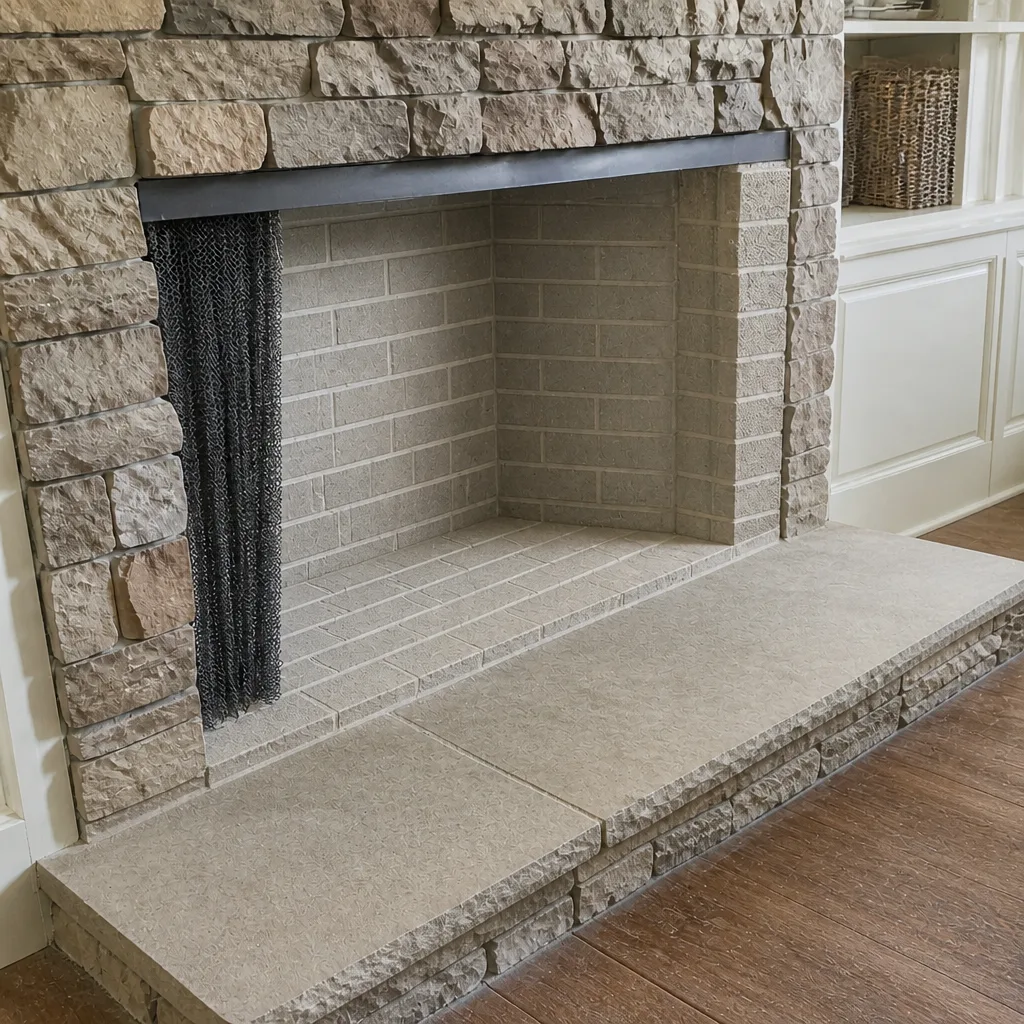
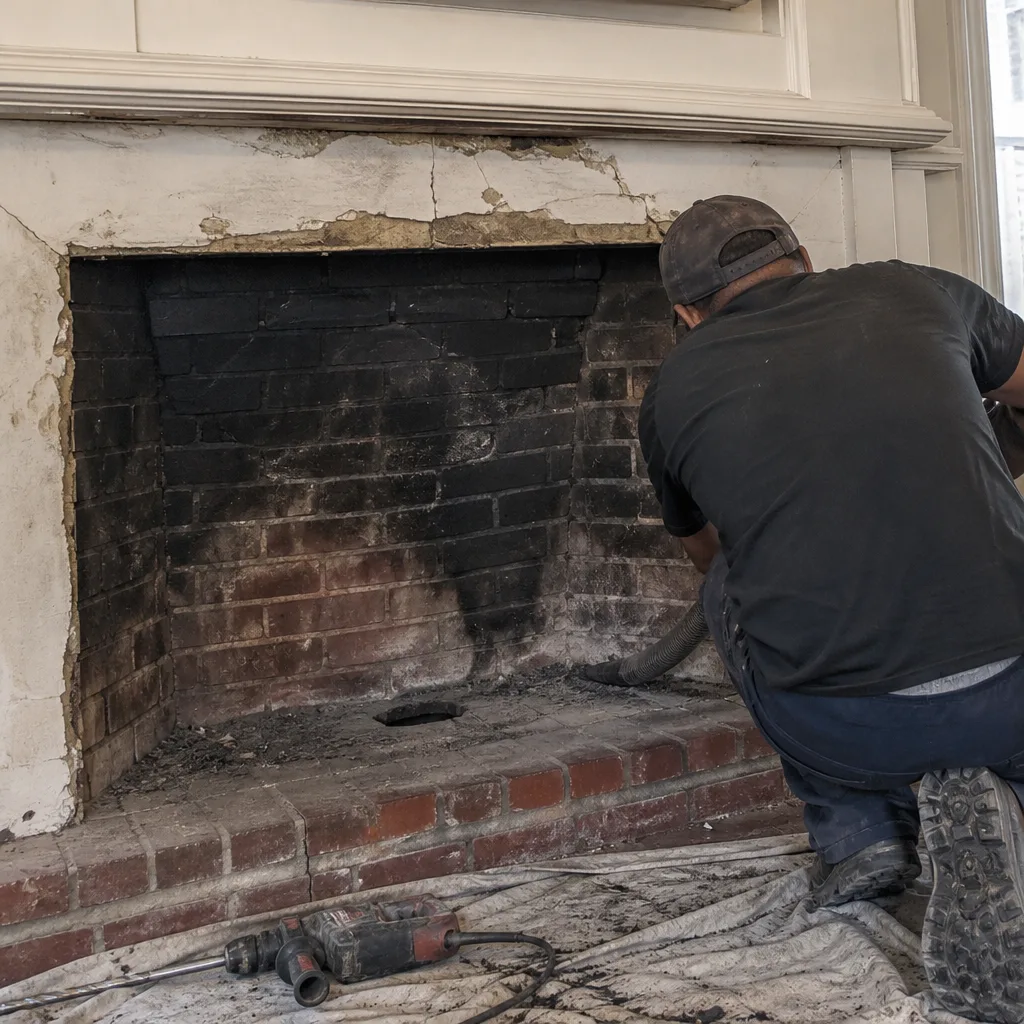
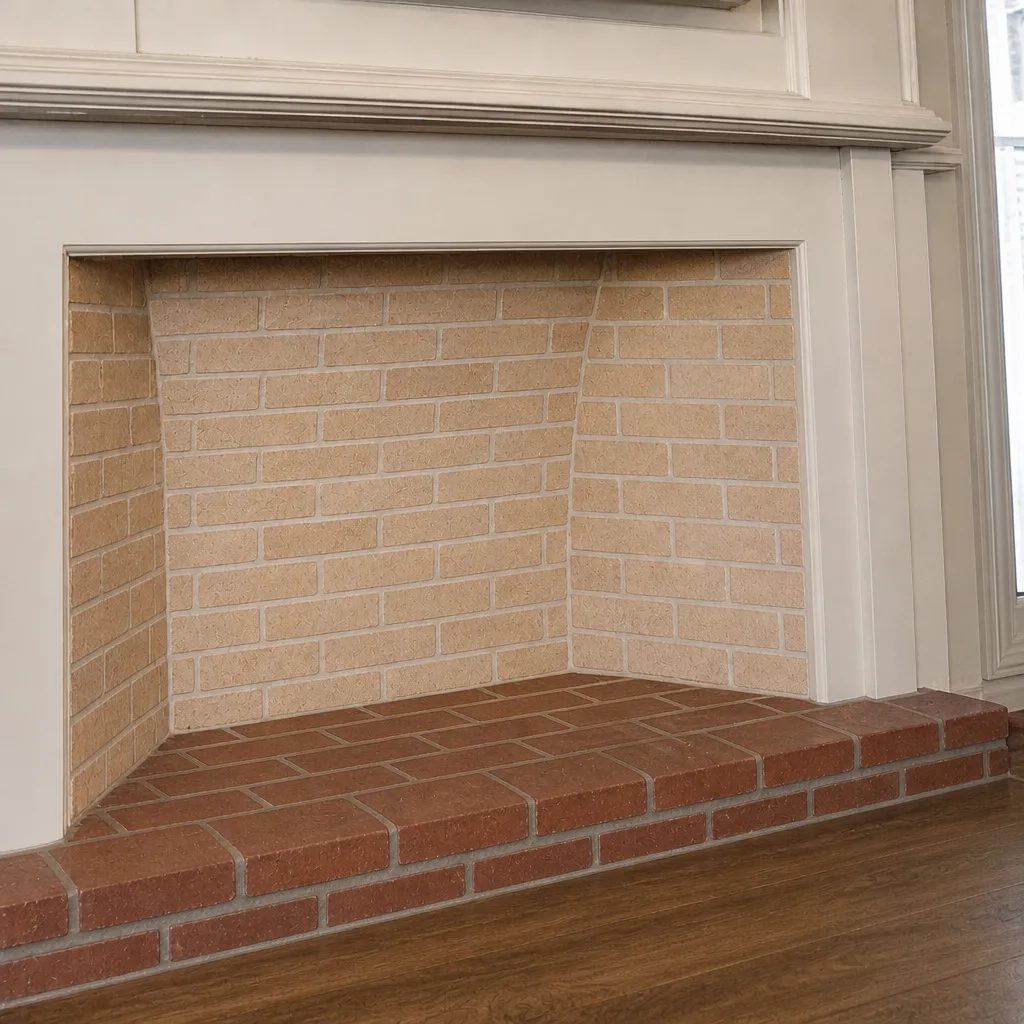
See the difference
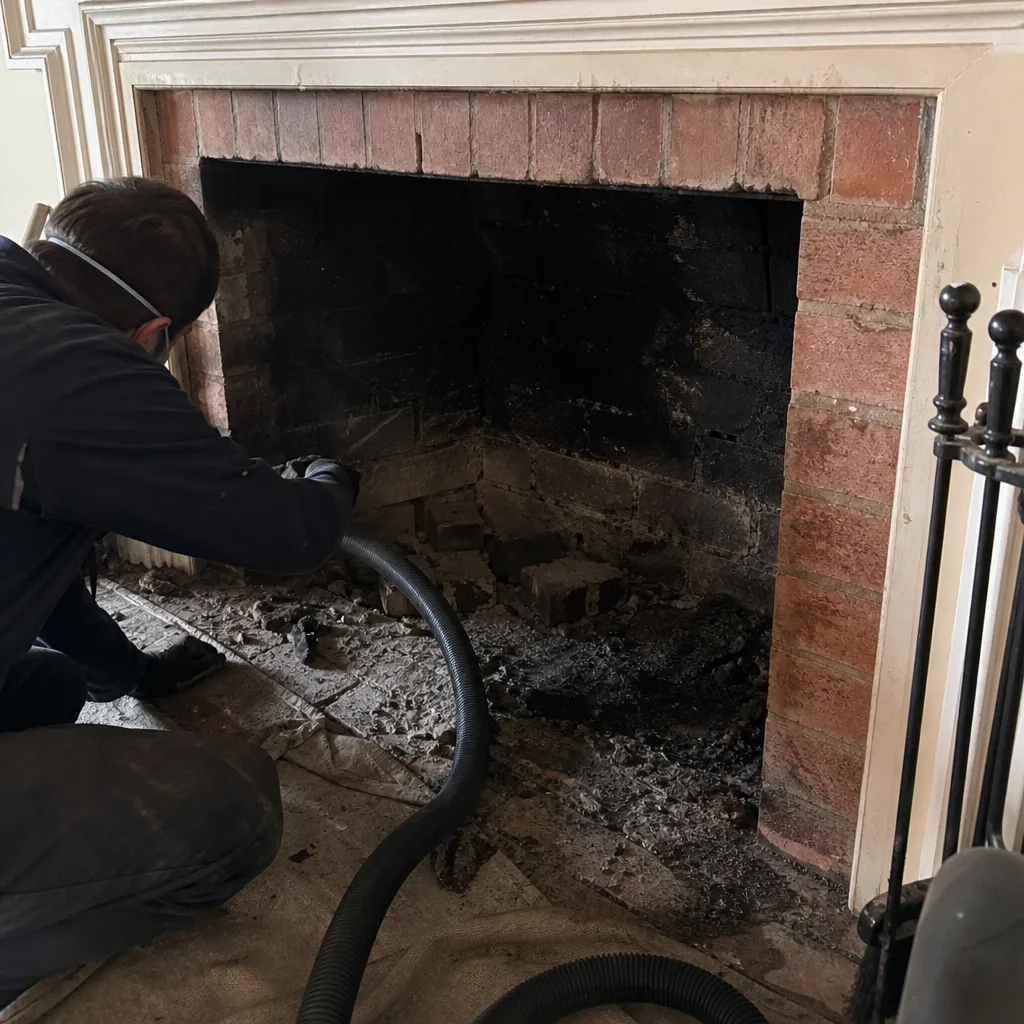 Before
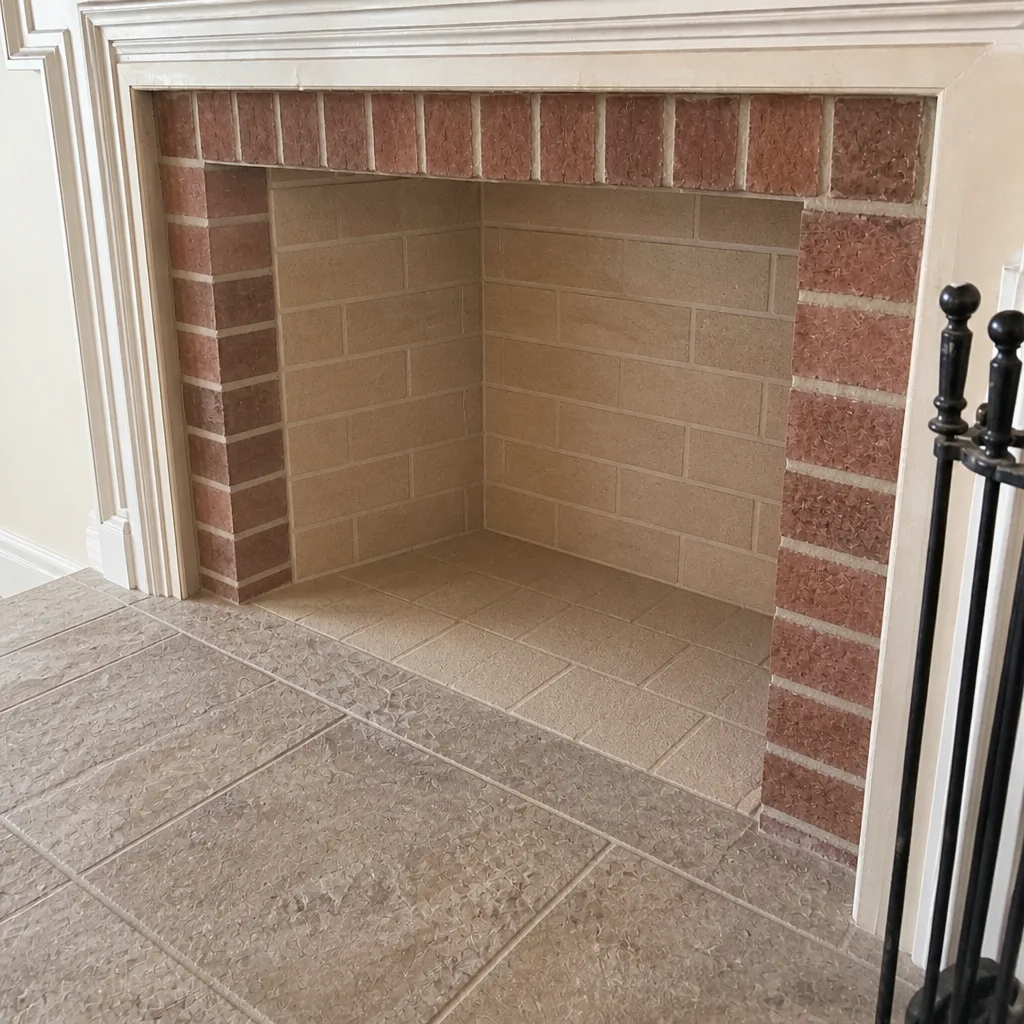 After
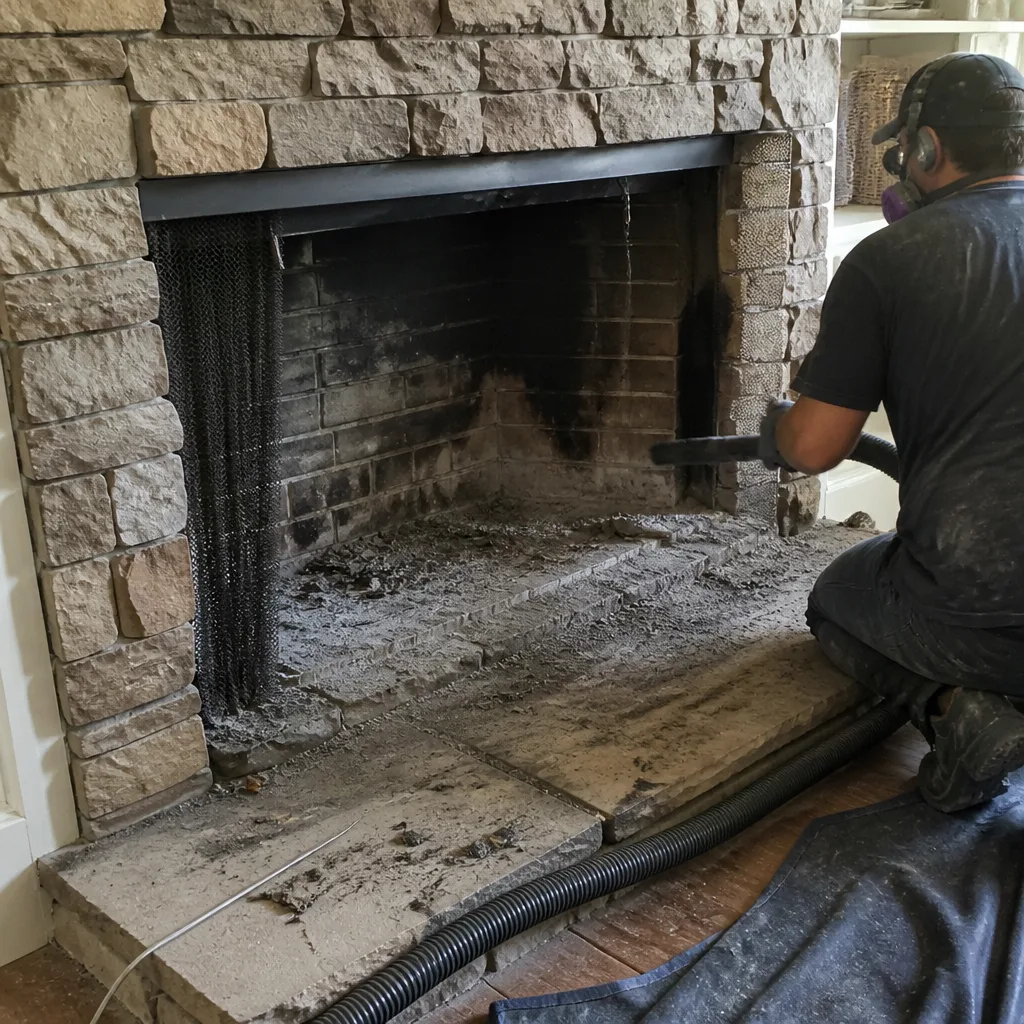 Before
 After
 Before
 After
When to Call a Professional
Some chimney work is routine. Other situations demand a trained professional before you light another fire. Call a professional if you smell a strong creosote odor inside the house, if the firebox shows cracked masonry, if you’ve had a chimney fire (even a small one), if you’ve moved into a new home without a recent inspection report, if your damper won’t open or close smoothly, if you see water stains on the ceiling or around the chimney breast, if you notice birds or animals in the flue, or if it’s simply been more than a year since the last sweep. Operating a damaged flue is the sort of risk that quietly accumulates until the day it doesn’t. Chimney Sweep Ballantyne offers free estimates in Ballantyne – call (888) 495-1677. We answer 24/7, with fast dispatch from 7am to 7pm, Sunday through Friday.
Frequently Asked Questions
Go to csia.org, use the “Find a Certified Chimney Sweep” directory, and search by your ZIP code. Confirm the company name on the certification matches the name on the quote or invoice exactly, then ask the technician at the door for his CSIA photo ID. If the name on the ID doesn’t match the listing, don’t book the visit. Call (888) 495-1677 for an exact quote – estimates are free.
A Level II camera inspection is the right starting point for any home that hasn’t had one, especially in Ballantyne where much of the housing stock dates to the 1990s and 2000s. A basic sweep cleans the flue but doesn’t reveal cracks, gaps, or liner separation. The camera is what turns a cleaning into an actual safety evaluation. If you want to book one, call (888) 495-1677.
Professional chimney contractors typically install DuraFlex flexible stainless liner systems, HeatShield ceramic restoration materials, and Gelco or Famco caps and crowns because those lines are built for the specifications this trade actually needs. Generalists who added chimney work to their service menu rarely carry any of them. Ask the brand name by name before you book. Call (888) 495-1677 to talk through your setup.
A typical chimney sweep in the Ballantyne area runs in the mid-hundreds with a camera inspection included, and the exact price depends on the flue configuration and whether any restoration work is identified during the visit. Prices are set per job by the written estimate, not by a flat rate. Call (888) 495-1677 for an exact quote – estimates are free.
Annual sweeping is the baseline recommendation for any fireplace in regular use, and it should be paired with a camera inspection on any home you’ve recently purchased or haven’t had inspected before. Ballantyne’s intermittent winter burning pattern, where people light the fireplace hard over the holidays after months of disuse, tends to build creosote faster than steady use. If it’s been more than a year, book the sweep. Call (888) 495-1677.
A general handyman can push a brush through a flue, but the practical limits show up fast: no camera scope, no professional-grade liner or cap inventory, no ability to install HeatShield restoration, no structural chimney repair capability. For anything beyond a surface sweep, you want a specialist. Call (888) 495-1677 to book a visit that covers sweep, inspection, and any repair that comes up.
The Bottom Line
The difference between a safe chimney and a dangerous one is usually a camera inspection and a contractor who knows what to look for. Verify CSIA status through the directory before booking. Confirm the technician scopes the flue with a camera and shares the footage. Ask for materials by brand name – DuraFlex, HeatShield, Gelco, Olympia Chimney – and walk away from vague answers. Compare quotes only after they list scope, materials, and inspection level the same way. Read the exclusions page. And if the price is dramatically cheaper than everyone else in Ballantyne, assume the savings will be recovered on the back end. Chimney Sweep Ballantyne is here for every step of that process. We’re a fire-and-chimney specialist, not a generalist who added the category, and our technicians have up to 13 years of experience diagnosing exactly these kinds of problems. Call (888) 495-1677 for a free estimate. We answer 24/7, with fast dispatch from 7am to 7pm, Sunday through Friday.
Written by the team at Chimney Sweep Ballantyne.