
Last updated November 22, 2026
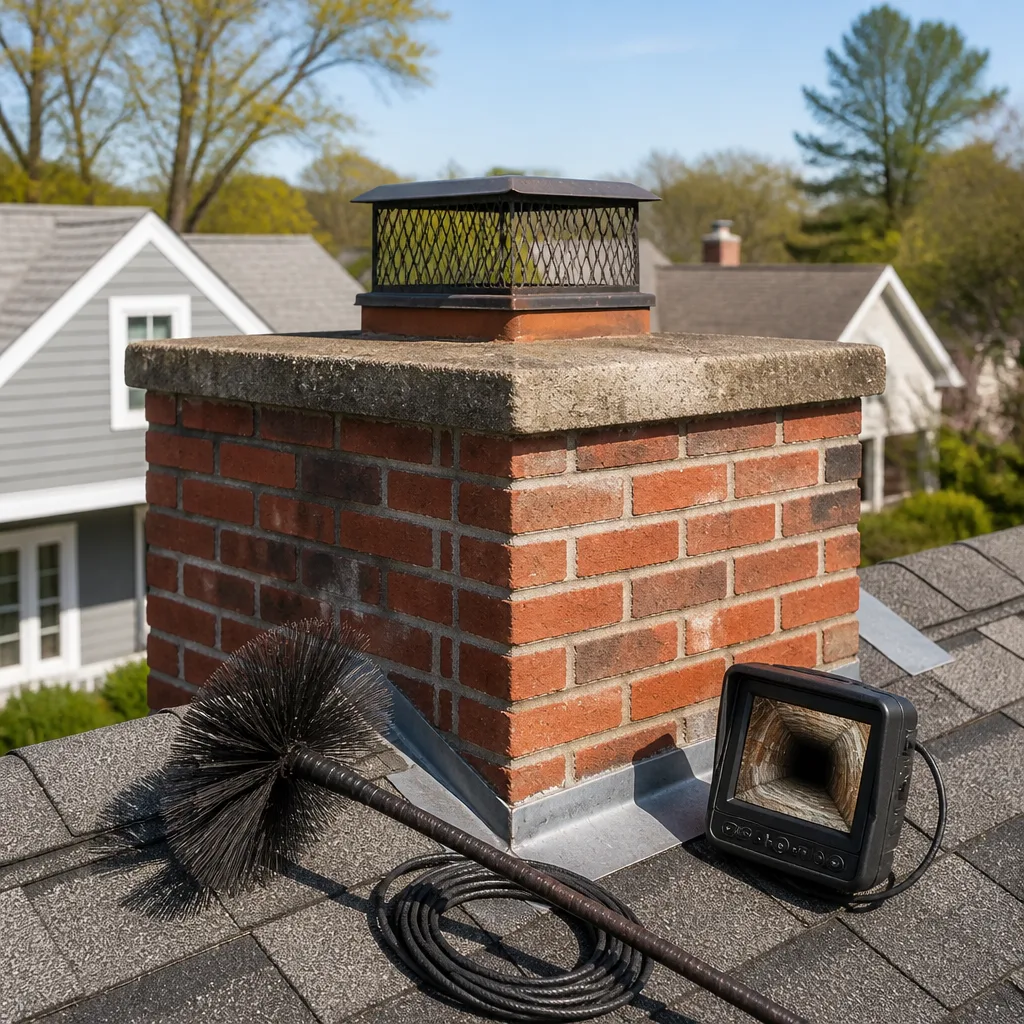 Sweep & inspection
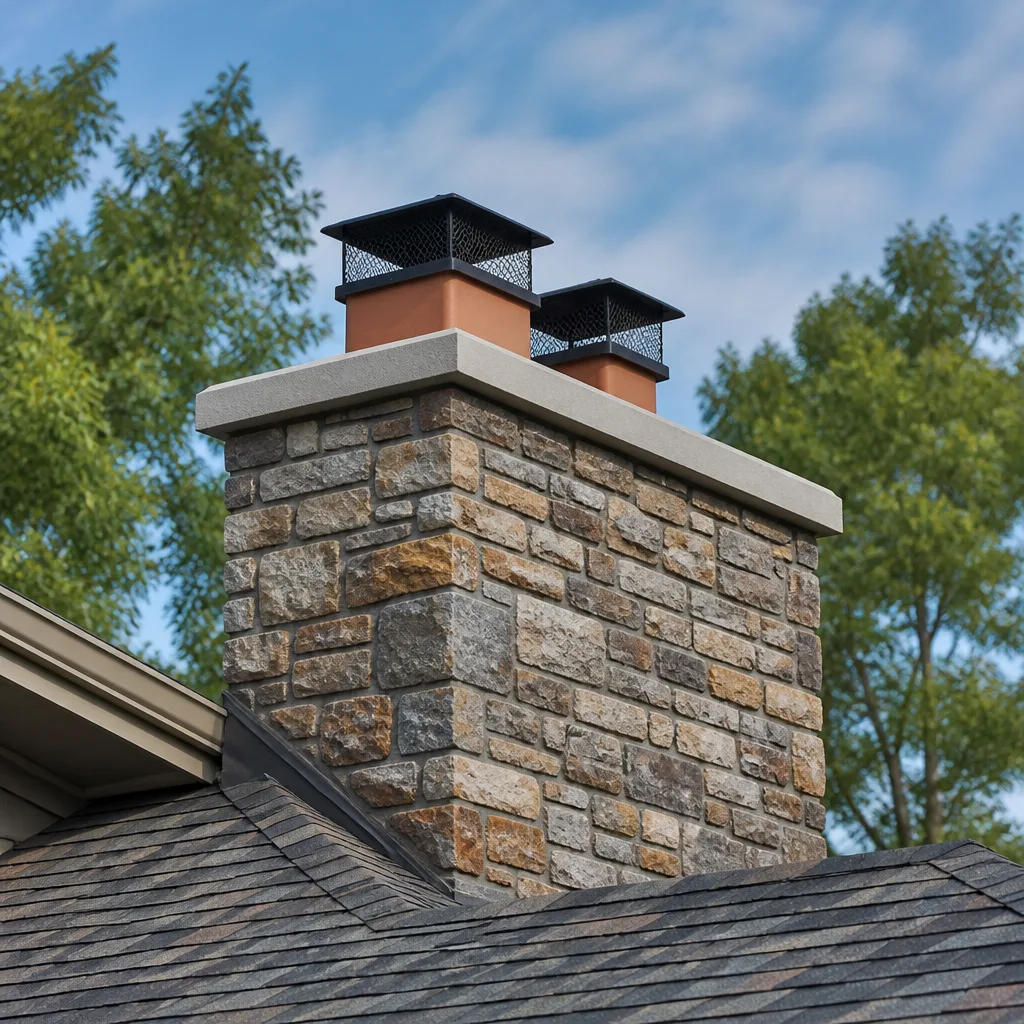 Caps & crowns
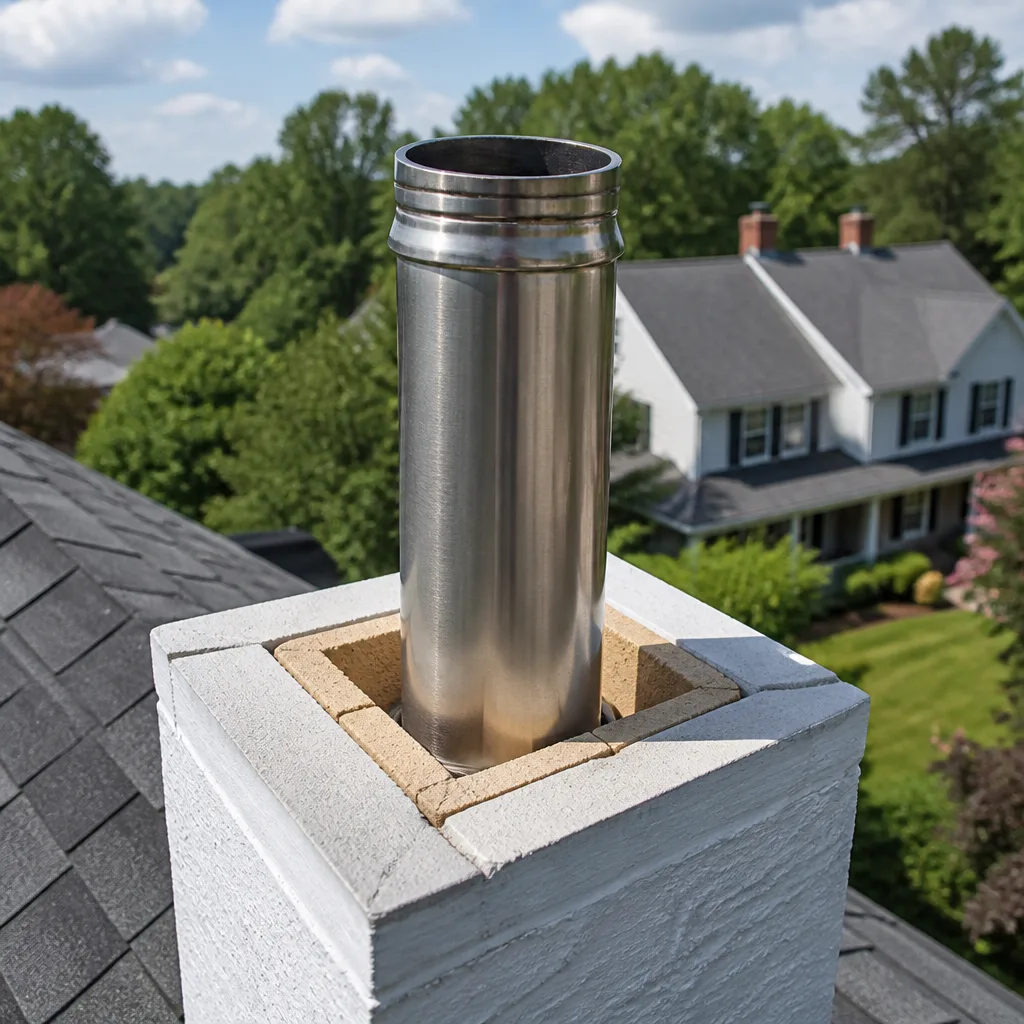 Flue relining
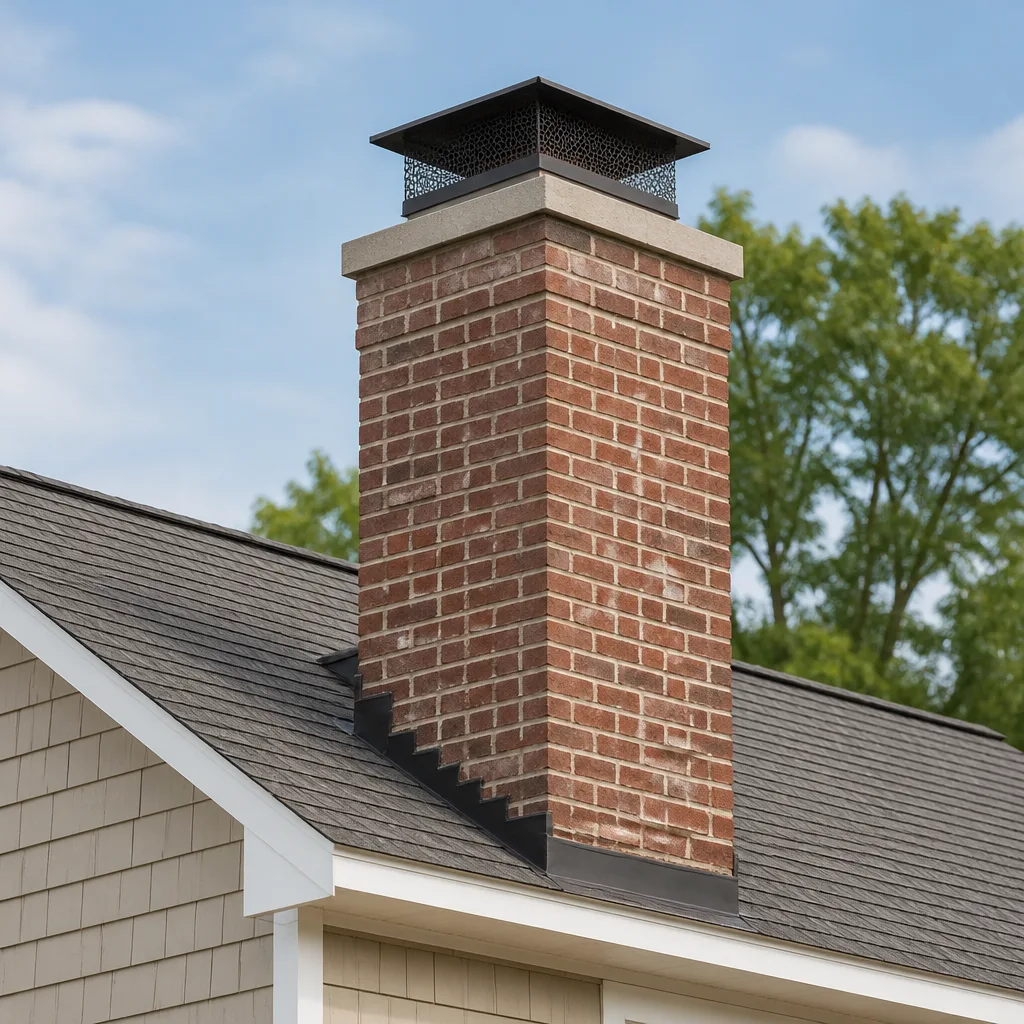 Masonry repair
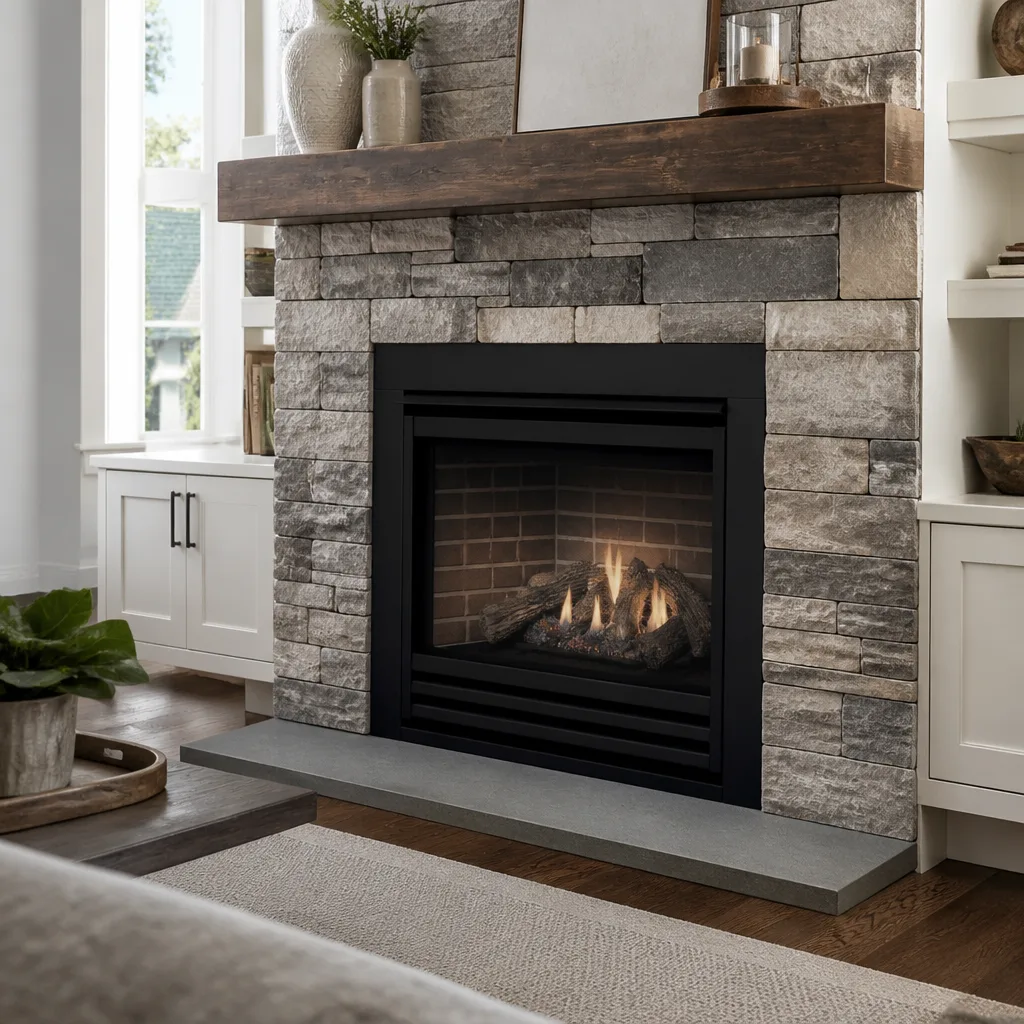 Gas fireplace service
Level 1 sweep and inspection to the NFPA 211 annual standard - flue, crown, cap, and flashing checked and photographed
Chimney sweep logs do not sweep chimneys. They loosen some creosote - which then falls where a brush and vacuum still have to collect it.
Chimney Cleaning Cost Breakdown: The Ballantyne Homeowner’s Reference for 2026
Two sweep quotes land in your inbox, and they’re $260 apart. That gap usually isn’t greed and it isn’t a bargain. The $89 special and the $350 sweep are frequently not the same service. One of them almost always skips the camera inspection, and you won’t know which until something fails. In Ballantyne, where a lot of homes have gas-log fireplaces and builder-grade flues, that skipped step is where the real money hides. This guide breaks down every line item in a chimney cleaning quote so you can read one the way a contractor does: what a basic sweep should cost, what a full inspection adds, why a liner repair runs into the thousands, and when the work is even covered by insurance. Every price here is a typical Ballantyne-area range, and the written estimate is what sets your final number.
Quick Answer
A standard chimney sweep in Ballantyne typically runs $175 to $325, and a full Level 2 inspection with camera commonly brings the total to $250 to $450. Liner repair or relining is a separate job, usually $1,800 to $5,500 depending on flue length and configuration. Most of the price gap between quotes comes down to whether a camera inspection, rotary cleaning, and a written report are actually included.
Styles & brands we work with
- Sweep & inspection
- Caps & crowns
- Flue relining
- Masonry repair
- Gas fireplace service
Table of Contents
- What You’re Actually Paying For in a Chimney Sweep
- 2026 Price Ranges for Ballantyne Chimney Services
- What Drives Price Variation in Ballantyne Homes
- How to Read a Chimney Quote Line by Line
- When Chimney Work Is Covered by Homeowners Insurance
- The Cost Math of Deferred Maintenance
- How Often Does a Ballantyne Chimney Need Cleaning?
- What Happens During a Professional Sweep
What You’re Actually Paying For in a Chimney Sweep
A chimney sweep isn’t one task. It’s a bundle of tasks that a good technician does in a single visit, and the price you see on a coupon or a website reflects how much of that bundle you’re getting. When we quote a sweep, we’re pricing the labor of brushing the flue, the setup to keep soot out of your living room, the inspection that tells you whether the flue is safe to use, and the diagnosis that tells you what, if anything, needs fixing. A quote that covers only the first two is cheap for a reason.
Here’s the breakdown of what a fair sweep price includes, and what’s often quietly left out:
- Drop cloths and containment. Protecting your floors, furniture, and air is labor. A crew that skips it will be faster and cheaper, and you’ll find soot later.
- Brushing the flue. This is the mechanical cleaning, and for heavier creosote it becomes rotary cleaning with a spinning head rather than a hand brush.
- Firebox and smoke chamber cleaning. The parts of the system below the flue trap the most creosote and debris, and many cheap sweeps never touch them.
- Camera inspection. This is the single biggest line-item difference between quotes. A camera down the flue shows cracks, gaps in the liner, and offset configurations that a flashlight never reveals.
- A written report. A real sweep documents what was found, with photos, so you have a record and a basis for any insurance claim.
Read a quote as a bundle, not a price tag. If a cheap sweep doesn’t name the camera inspection and the photo report, assume they aren’t included, and ask before you book. You’ll want that evidence before anything else happens, because a sweep is only as good as the inspection that comes with it. We look while we clean.
2026 Price Ranges for Ballantyne Chimney Services
The table below is a typical range for each service in the Ballantyne and South Charlotte market for 2026. These are estimates, not fixed prices. The written estimate you receive after we look at your specific flue sets the final number, and every estimate is free.
- Basic chimney sweep (no camera): $175 to $275
- Sweep plus Level 2 inspection with camera and photo report: $250 to $450
- Level 2 inspection on its own (new-to-you home, post-chimney-fire, or sale inspection): $150 to $325
- Rotary cleaning for heavier creosote buildup: $75 to $200 added to a standard sweep
- Chimney cap replacement (manufacturer-matched): $200 to $550
- Crown repair (cracked or spalling crown): $350 to $1,200
- HeatShield liner resurfacing: $1,200 to $2,800
- Full stainless liner replacement (DuraFlex flexible system): $1,800 to $5,500
- Fireplace and damper repair: $150 to $800, depending on the part
The gap between a basic sweep and a sweep with inspection isn’t padding. It’s the difference between cleaning a flue and knowing whether that flue is safe to use. In a market where a lot of homes have aging liners and gas fireplaces converted from wood, the inspection is where real problems surface. It’s also the part a bargain quote cuts first.
What Drives Price Variation in Ballantyne Homes
Two homes on the same street can get quotes hundreds of dollars apart for reasons that have nothing to do with how busy the company is. In our experience, four factors move the price most in Ballantyne.
Flue height and roofline. A taller flue or a roofline with a steep pitch means more time on the roof and more careful setup. Two-story homes and complex rooflines common in the newer South Charlotte neighborhoods add labor.
Liner material and configuration. A straight, single-piece flue cleans quickly. An older flue with offsets, a clay-tile liner with gaps, or a flue that has been relined before takes longer and may need a flexible system to get a brush or camera around a bend. That’s why we use DuraFlex flexible stainless liner systems on older or offset configurations where rigid liners just won’t go.
Creosote stage. Light, flaky creosote brushes out easily. Glazed, glossy creosote can be harder than the flue surface itself and calls for rotary cleaning or even chemical treatment before it’s safe to sweep. The stage of the buildup, not the length of the flue, often sets the cleaning portion of the price.
Access difficulty. Where the fireplace sits in the house, whether there’s a rooftop hatch or a tight chase, and how much furniture surrounds the hearth all affect setup time. Access is the quiet line item most quotes don’t mention until the technician arrives.
Understanding these factors won’t tell you which quote to take, but it will tell you why a number is high or low, and whether the technician who gave it actually looked at your flue.
How to Read a Chimney Quote Line by Line
Chimney quotes are read fast and signed slowly, usually when a technician is standing at your door and something needs fixing. So here’s a line-by-line key. Ask for each of these to be named and priced separately.
- Camera inspection. It should be a separate line, priced or explicitly included. A camera down the flue and a photo report is what backs up every recommendation that follows.
- Rotary cleaning. If your flue has heavier creosote, rotary cleaning should appear. If a sweep quote doesn’t mention it and the technician finds glazed creosote on site, that’s often a surprise line added to the total.
- Level 2 inspection. This covers the chimney’s accessible parts beyond just the flue, and it’s the standard on a home you just bought or a system that hasn’t been inspected in years. It should be priced as its own line.
- Repairs and replacement parts. Caps, crowns, dampers, and liners should each be itemized. A single “repair” number tells you nothing.
- What’s excluded. A good quote names what it doesn’t cover. Two quotes look alike until you find the exclusions.
A quote you can read line by line is a quote you can compare line by line. When you call, we’ll walk through each item and tell you plainly what can safely wait and what should be handled soon.
When Chimney Work Is Covered by Homeowners Insurance
Routine chimney cleaning is almost never covered. Maintenance is the homeowner’s job, and insurers treat a dirty flue the way they treat a worn roof. Where insurance usually steps in is with a sudden event: a chimney fire, a lightning strike, or damage from a severe storm (not hail, which is uncommon around here).
If you’re filing a claim, the documentation does the heavy lifting. Here’s what an adjuster typically wants to see:
- A camera inspection with photos. The before-and-after evidence of what failed and why.
- A written report from the technician. A description of the damage, the cause as best as it can be determined, and the recommended repair scope.
- Separate line-item estimates. Replacement cost separated from any cleaning or inspection charges, so the insurer can see what’s maintenance and what’s damage.
- Pre-loss condition notes. Anything showing the system was maintained before the event, including prior sweep reports.
We can work with your insurer and produce this documentation, but the claim decision is always theirs. The cleanest way to protect yourself is to have the inspection paperwork before anything goes wrong, so the report exists when you need it.
The Cost Math of Deferred Maintenance
Here’s the comparison that makes a sweep look cheap. A typical sweep with a camera inspection in Ballantyne runs about $250 to $450. A full liner replacement, which is the usual outcome when a flue has been run with cracked or heavily glazed creosote for years, runs $1,800 to $5,500. Add a crown rebuild and a cap on top of that, and a decade of skipped cleanings can turn into a $4,000-plus repair that a $350 cleaning would have caught early.
The math is simple, but the mechanism is worth explaining. Creosote builds up with every fire. Left too long, glazed creosote can ignite, and the heat of a chimney fire can crack clay liners, warp dampers, and burn through a masonry flue. Even a smaller fire you didn’t notice can leave hidden damage, which is exactly what a camera inspection finds. On a HomeShield resurfacing, a liner with minor cracking can often be restored for less than a full reliner, which extends the flue’s life without the cost or disruption of replacement. That’s the service most generalists can’t offer, and it exists because we look at liners in context rather than just brushing the flue.
For a Ballantyne homeowner using a wood-burning fireplace regularly, a yearly sweep is not a luxury. It’s the cheapest insurance against the four-figure repair that follows years of neglect.
How Often Does a Ballantyne Chimney Need Cleaning?
Most homes need a sweep once a year, and a home that burns wood frequently may need it sooner. The old rule of thumb is a quarter-inch of creosote buildup before it’s time to clean, or about one cord of wood burned for every cleaning if you want to keep it simple. Ballantyne’s mild winters mean many homes burn less wood than they might further north, but the fireplace still collects soot, and a gas fireplace still needs its flue checked for blockages and animal nests.
Where Ballantyne’s climate really matters is moisture. Our damp springs and humid summers can let water into a chimney that has no cap or a cracked crown, and water damage is a bigger driver of liner failure here than anything else. A capped, properly crowned chimney sheds rain and keeps birds and squirrels out of the flue. That’s why cap and crown work performed with manufacturer-matched products matters: a cap that doesn’t fit sheds water or blocks flow, and a crown that’s cracked lets water straight into the masonry.
Whatever your burning habits, the annual inspection is the anchor. If it’s been more than a year, or you’ve never had one, it’s time. The good news is that a capped, tight system in a Ballantyne home usually only needs the routine cleaning, and no repairs at all.
What Happens During a Professional Sweep
A professional sweep in Ballantyne usually takes about an hour, and a heavier job or a full inspection can run longer. Here’s the typical sequence, from arrival to report.
- Setup and containment. Drop cloths, a sealed work area, and protection of your floors and furniture come first.
- Flue cleaning. The flue gets brushed, or rotary-cleaned if the creosote is heavy, from the firebox or the roof depending on the configuration.
- Firebox and smoke chamber cleaning. The parts below and above the firebox get cleaned too, not just the flue itself.
- Camera inspection. A camera is run through the flue, and the technician reviews the footage with you on site.
- Written photo report. Everything found is documented, with photos and recommendations, so you have a record.
- Repair diagnosis (if needed). Anything beyond cleaning is explained in context, and we say honestly when it can wait.
One call covers the whole sequence: sweep, inspect, and diagnose. That’s the point of a chimney-only focus. A technician whose whole job is chimneys reads every finding in context, rather than looking at one part of the system in isolation. So when we find a gap in the liner, it’s caught with the flue condition in mind, not as a standalone surprise.
Common Mistakes to Avoid
- Choosing the cheapest sweep without checking what’s included. A price with no camera inspection and no photo report is not the same service, and a cheap sweep that skips inspection is often where surprise repairs come from.
- Letting a generalist touch the liner. Chimney liners, caps, and crowns need matched professional-grade products. Off-the-rack parts that don’t fit shed water or block the flue, and a handyman without the right parts can’t do the job properly.
- Burning unseasoned or treated wood. Wet wood smolders and builds creosote faster, and treated lumber can damage the flue. Burn dry, seasoned hardwood.
- Skipping the cap because it looks fine from the ground. A missing or broken cap lets water, birds, and squirrels in. You won’t see the damage until the flue is blocked or stained.
- Assuming a gas fireplace doesn’t need the flue checked. It does. Blockages, animal nests, and liner condition matter just as much, and a gas hearth benefits from the same annual inspection.
- Treating a quote as a fixed price. A verbal number means little without a written estimate and an itemized scope. Compare line by line, or you’re guessing.
- Letting a small crack wait “until next year.” Ballantyne’s wet springs and humid summers turn a small crack into a real water problem fast. The camera shows you the crack now; wait, and it moves from a resurfacing job to a replacement.
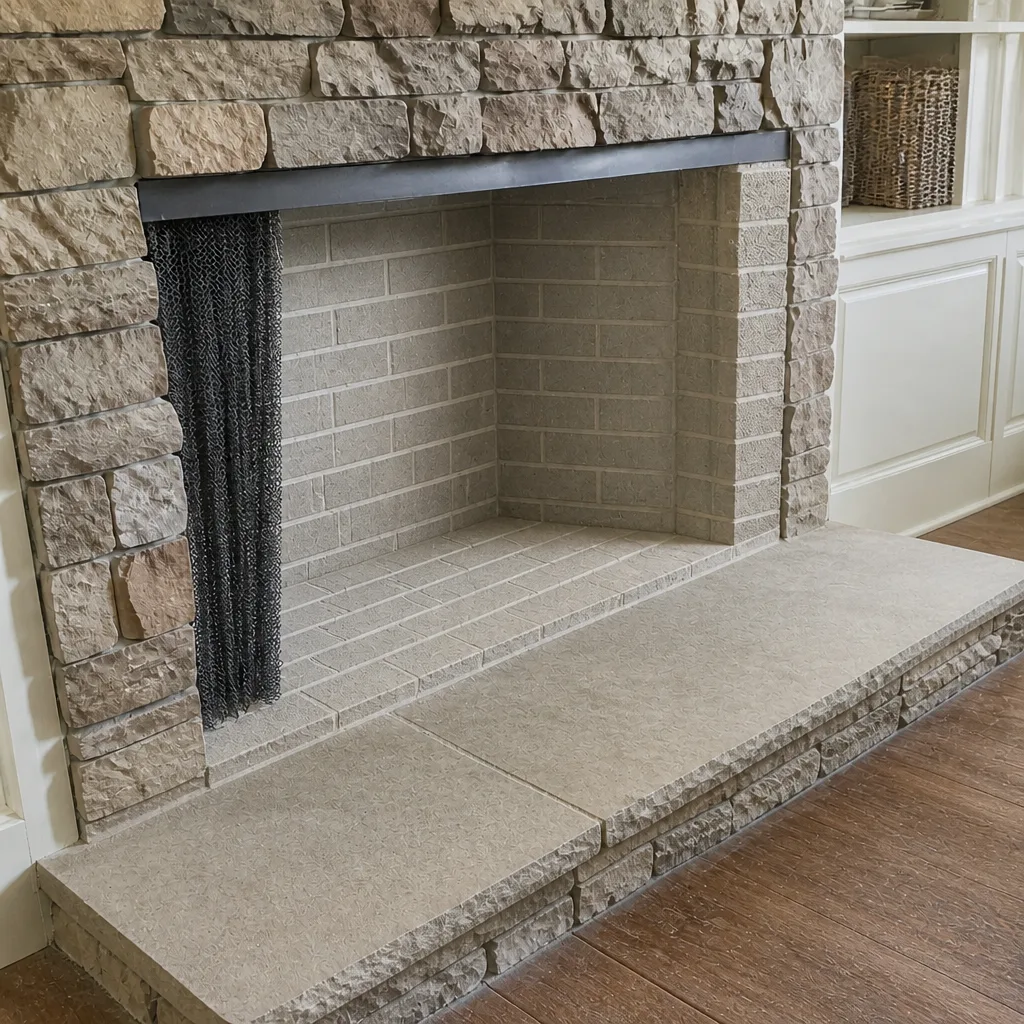
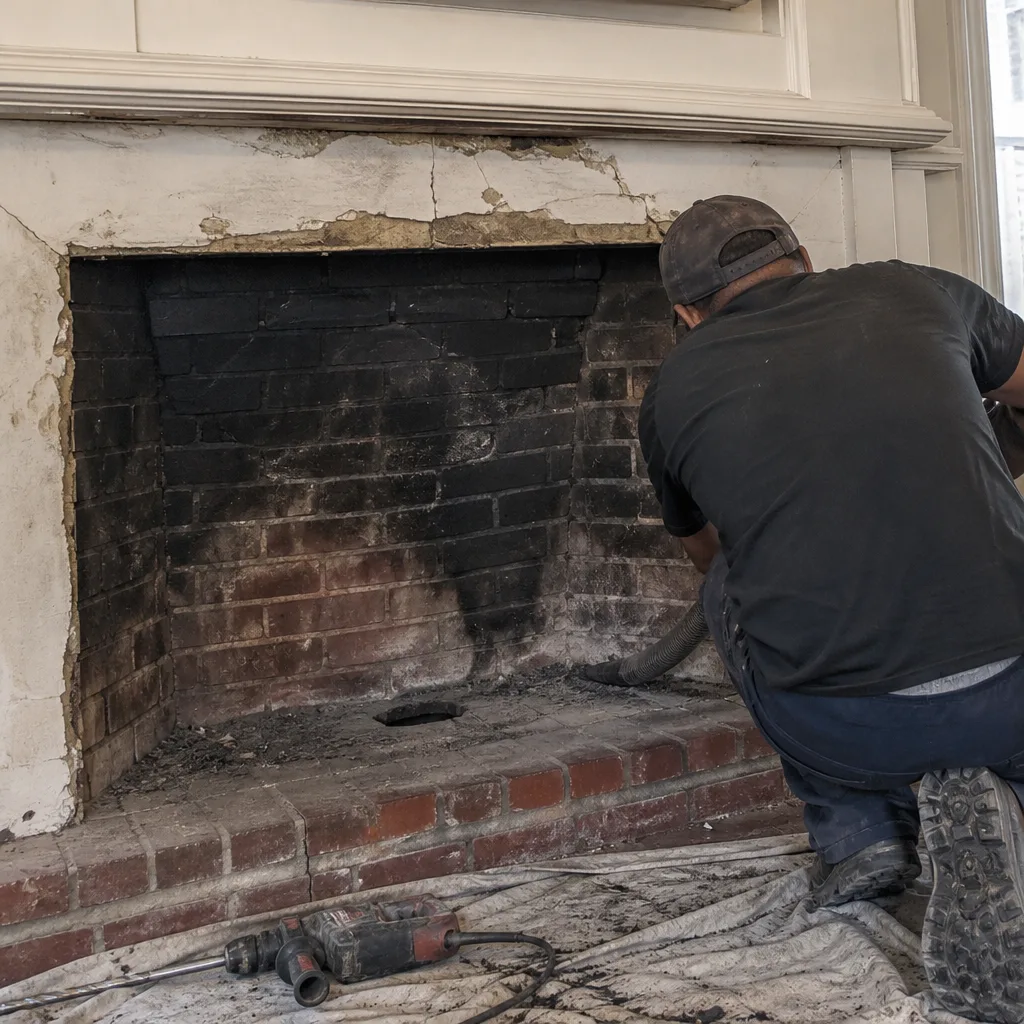
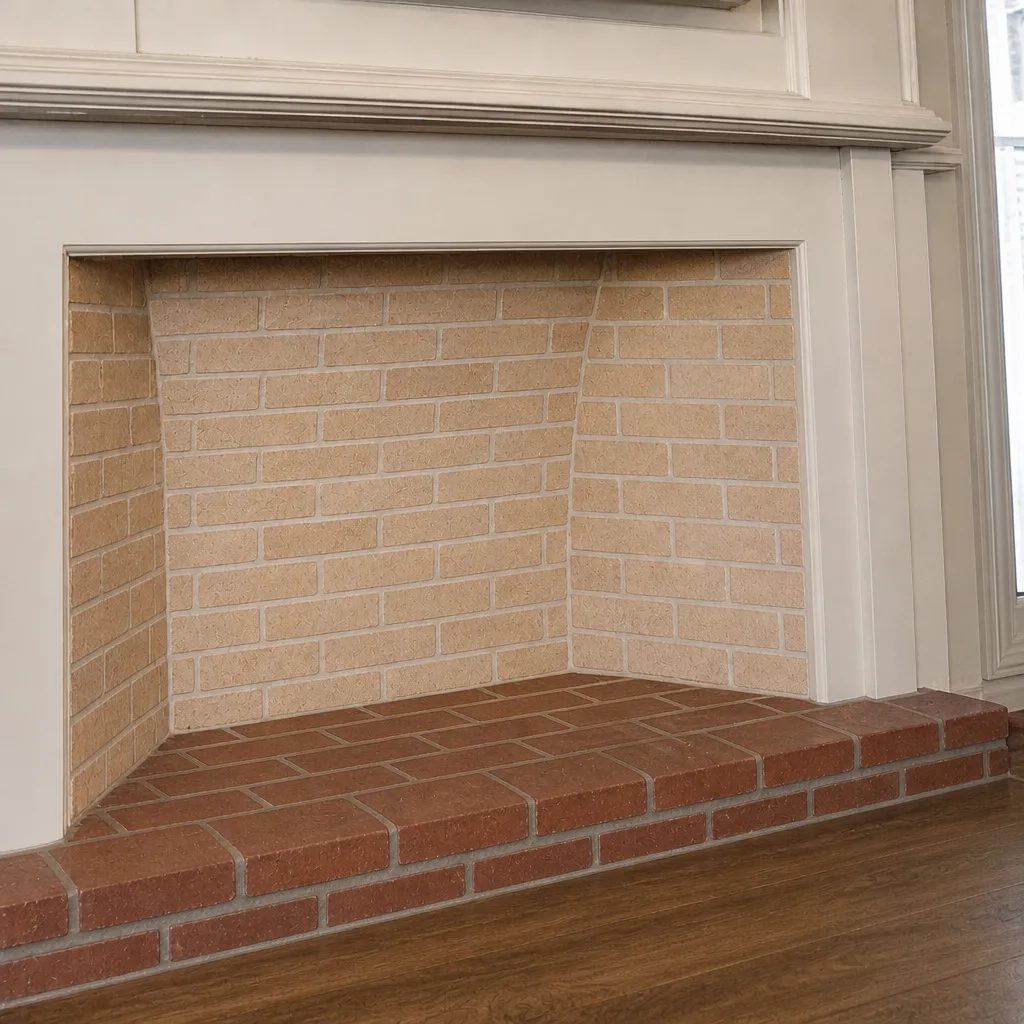
See the difference
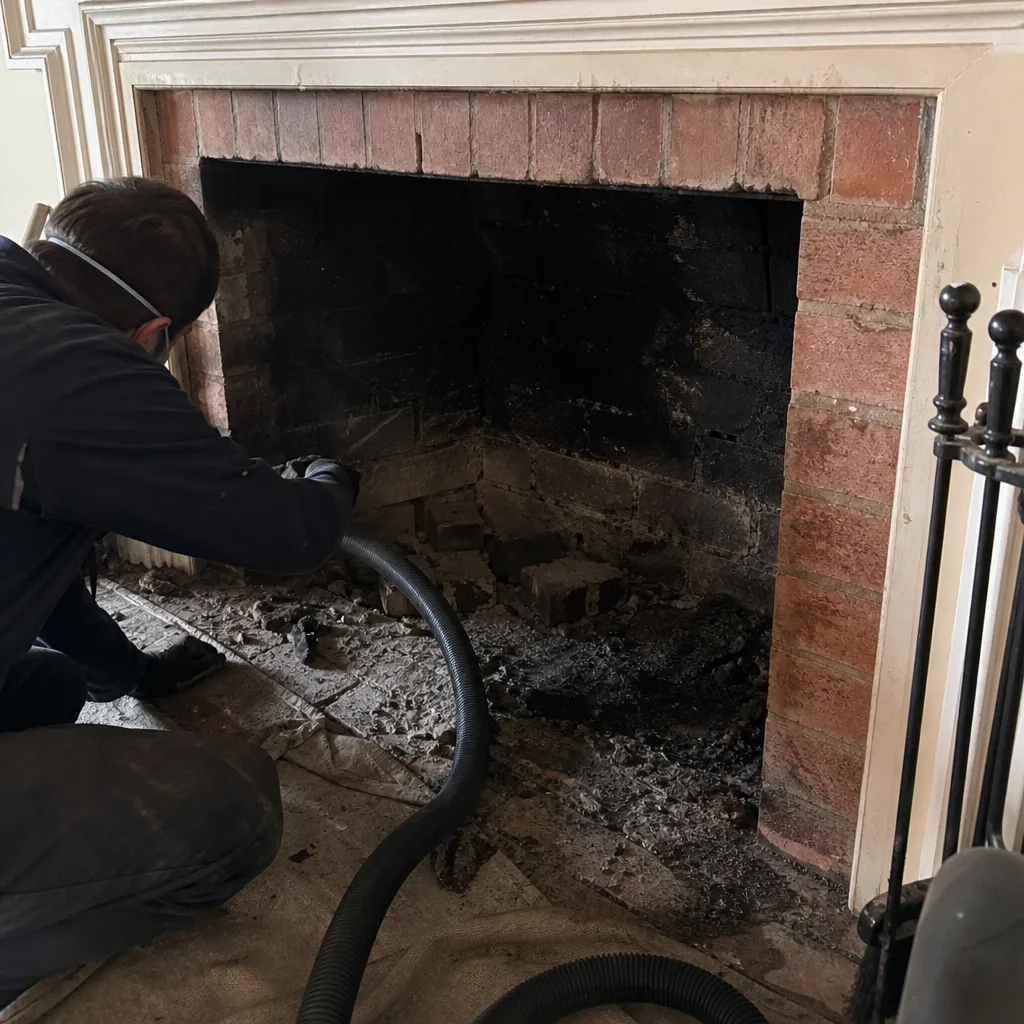 Before
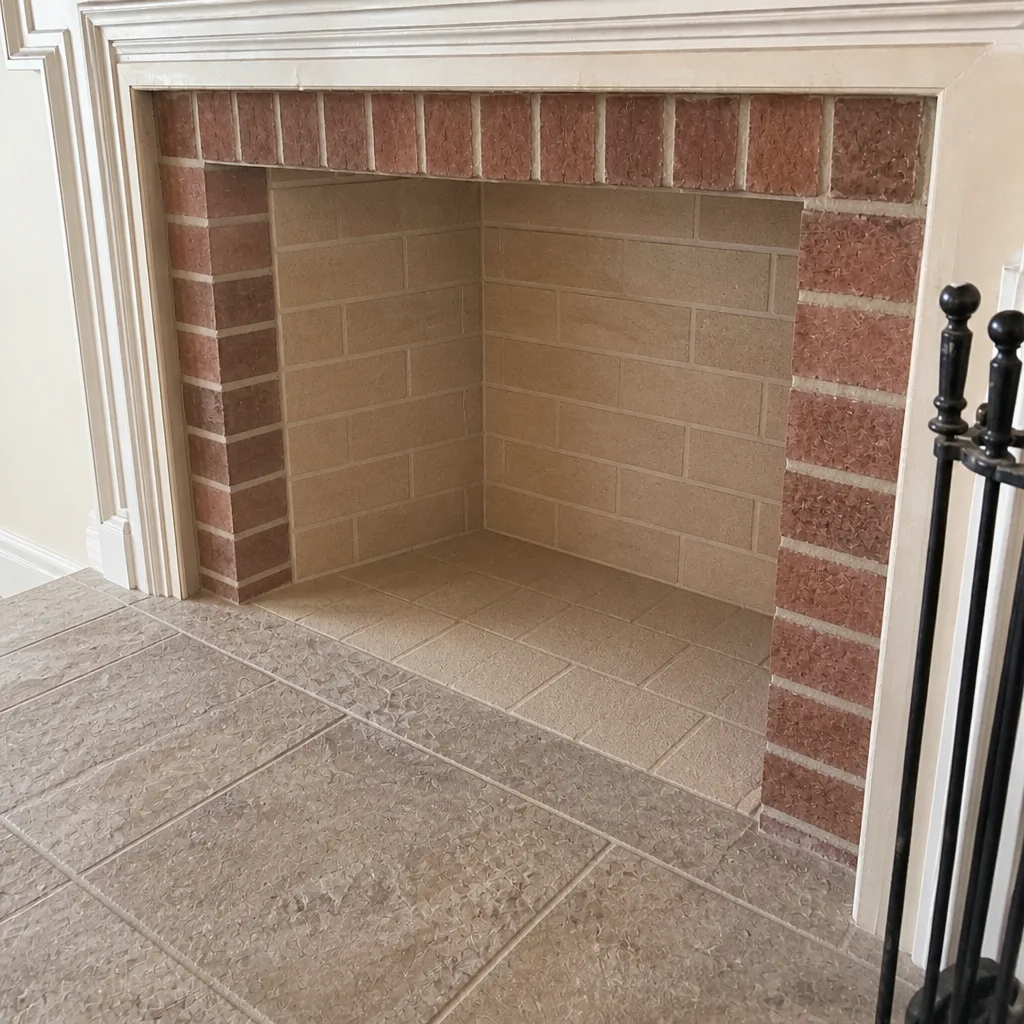 After
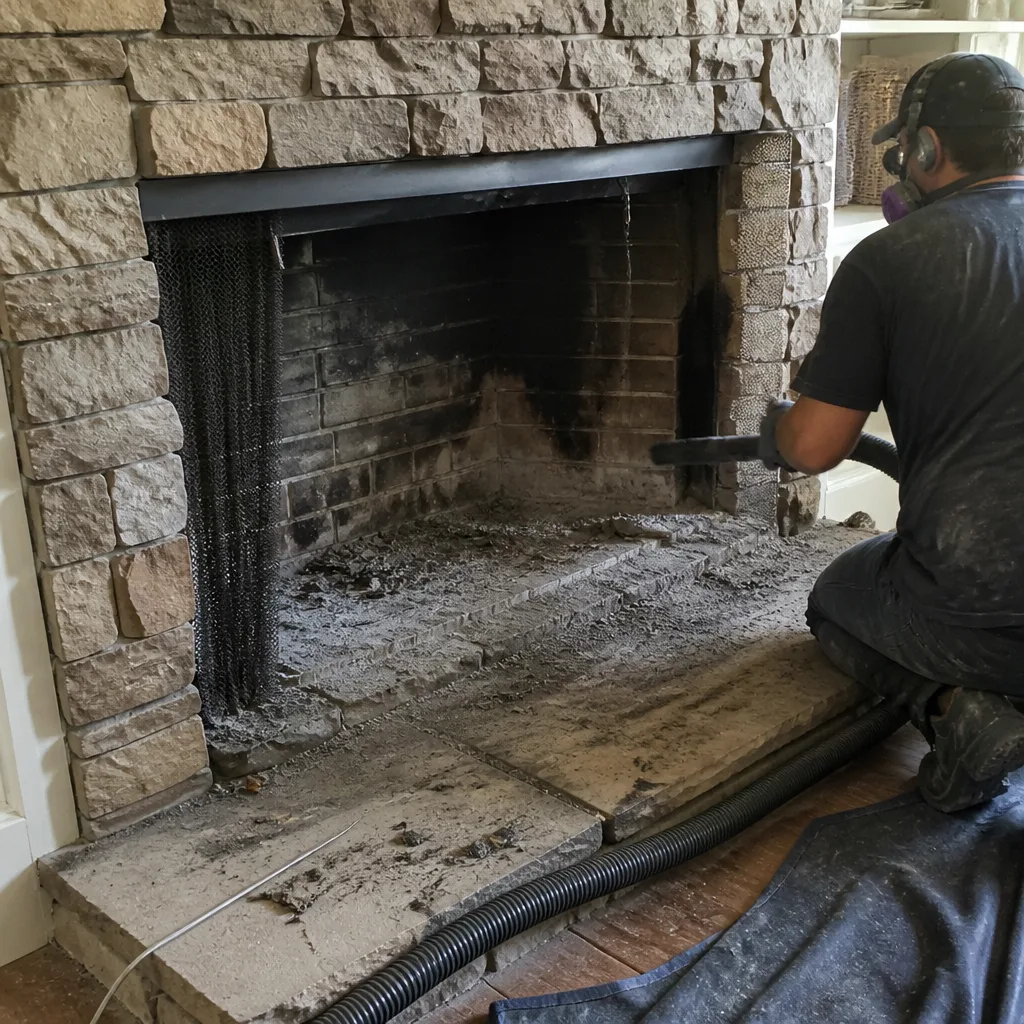 Before
 After
 Before
 After
When to Call a Professional
Some jobs are routine, others should never wait. Call us if you’re burning wood regularly and it’s been more than a year since the last sweep, if your flue has visible glazed creosote, or if the firebox or damper is sticking or damaged. Call if you’ve just bought a Ballantyne home and don’t have a recent inspection report, or if you’ve had a chimney fire and haven’t had the flue checked since. Call if your cap is missing or the crown is cracked, or if you smell a draft, smoke back, or see water stains around the hearth. Any of these is enough, and none of them should sit. We’ll look, photograph, and tell you honestly whether the work can wait. Chimney Sweep Ballantyne offers free estimates in Ballantyne. Call (888) 495-1677.
Frequently Asked Questions
A typical chimney sweep in Ballantyne costs $175 to $325, and a sweep bundled with a Level 2 camera inspection and photo report usually runs $250 to $450. The written estimate after we inspect your flue sets the final price, and estimates are free. Call (888) 495-1677 for an exact quote.
Sometimes yes, but only when the evidence says so, and you should never take that recommendation on faith. A camera inspection shows the cracks, gaps, and glazed creosote for yourself before anything is recommended. In some cases a HeatShield resurfacing can extend the liner’s life instead of a full reliner, and the camera report shows which applies. Call (888) 495-1677 and we’ll show you what we see.
Once a year for most homes, and more often if you burn wood heavily, or whenever there’s about a quarter-inch of creosote buildup in the flue. A Balnatyne home that burns only occasionally still needs the annual check for blockages and water damage. Call (888) 495-1677 if it’s been more than a year.
Creosote builds up, and glazed creosote can ignite, which risks a chimney fire that cracks liners and damages the system. Even without a fire, water gets into an uncapped or cracked flue over a damp North Carolina spring and quietly rots the liner from the inside. The cost math is stark: a $250 to $450 cleaning versus a $1,800 to $5,500 reliner. Call (888) 495-1677 for an exact quote.
No, routine cleaning is maintenance and is almost never covered. Insurance typically covers sudden damage, such as from a chimney fire or a severe storm, and the documentation a camera inspection produces is what supports the claim. We can work with your insurer and provide the report. Call (888) 495-1677 for an estimate.
A Level 2 inspection goes beyond the flue, covering the accessible parts of the chimney, and it’s the standard after a home purchase, a chimney fire, or a long gap since the last check. It includes a camera run and a written photo report, priced separately from cleaning. Call (888) 495-1677 with questions about what your home needs.
The Bottom Line
The cleaning price on a chimney quote is only half the story; the inspection and the report are what tell you whether your Ballantyne flue is safe to use. Expect a basic sweep in the $175 to $325 range, a sweep with camera inspection in the $250 to $450 range, and reserve four figures for liner work if a real problem shows up. The way to keep a $250-to-$450 cleaning from turning into a $4,000 repair is the annual inspection, done by a specialist who looks at the whole system and shows you the evidence. We install and service professional-grade brands like DuraFlex, HeatShield, Gelco, and Olympia Chimney, and we do it in-house with our own technicians, whose experience runs up to 13 years. Nothing is recommended without camera evidence you can see, and we’ll say plainly when work can wait.
Call (888) 495-1677. We answer 24/7. Fast dispatch from 7am to 7pm, Sunday through Friday. Whether you need a routine sweep, a chimney sweep with inspection, fireplace repair, or chimney cap & crown work, one call covers it, and estimates are free.
Written by the team at Chimney Sweep Ballantyne.