
Last updated November 22, 2026
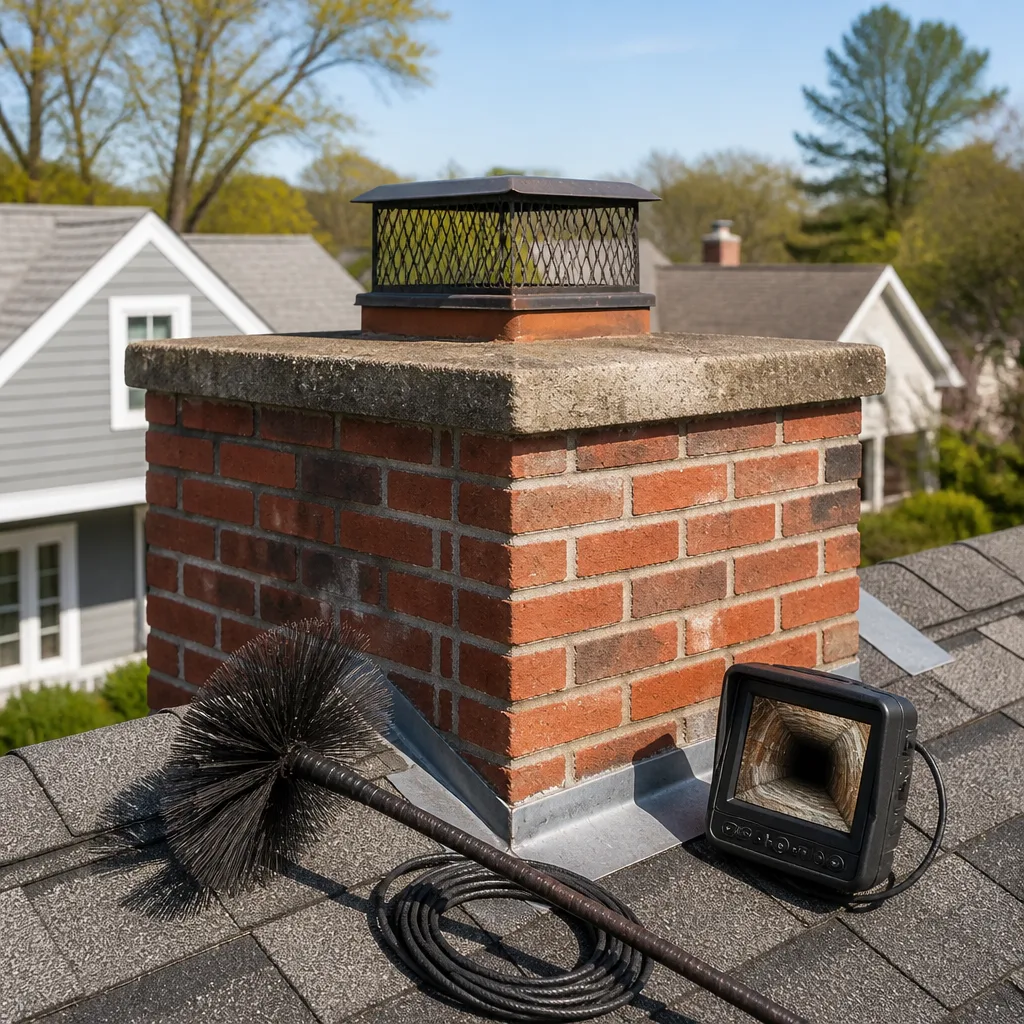 Sweep & inspection
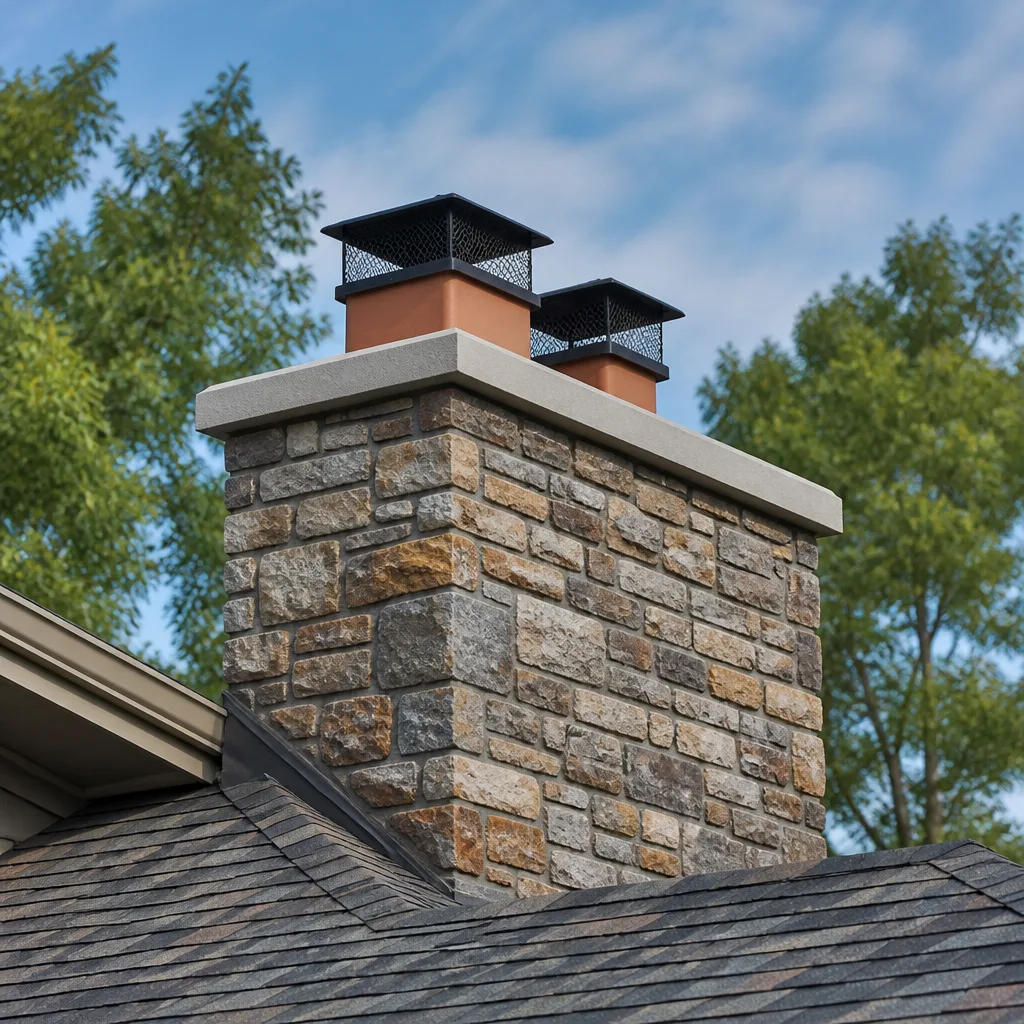 Caps & crowns
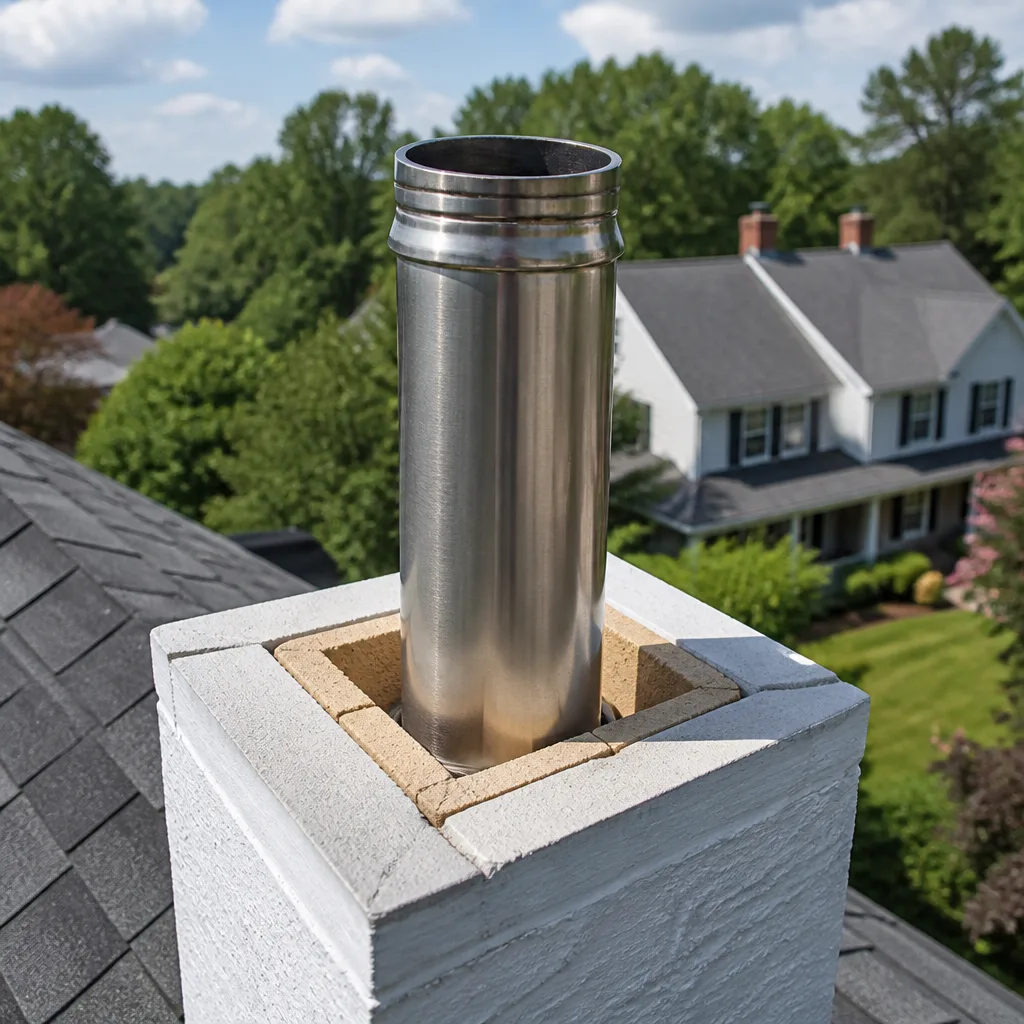 Flue relining
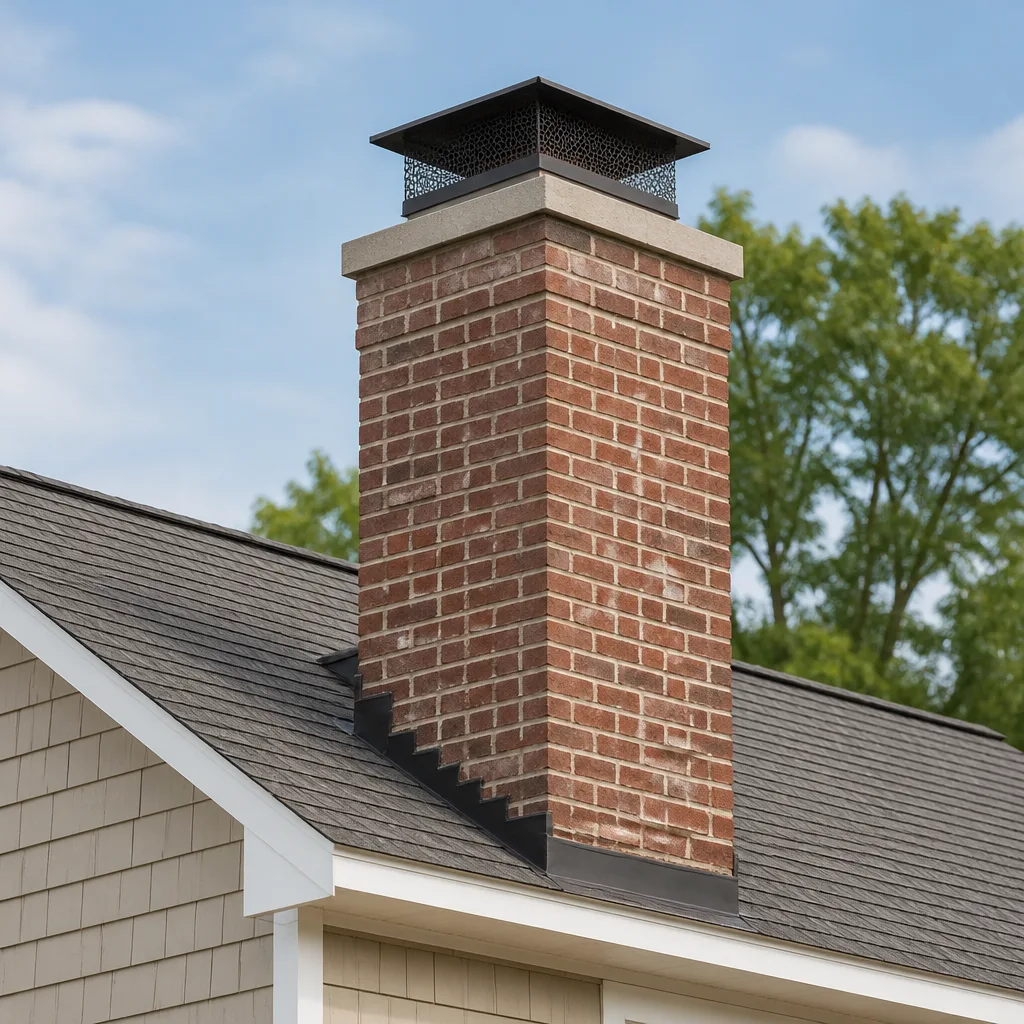 Masonry repair
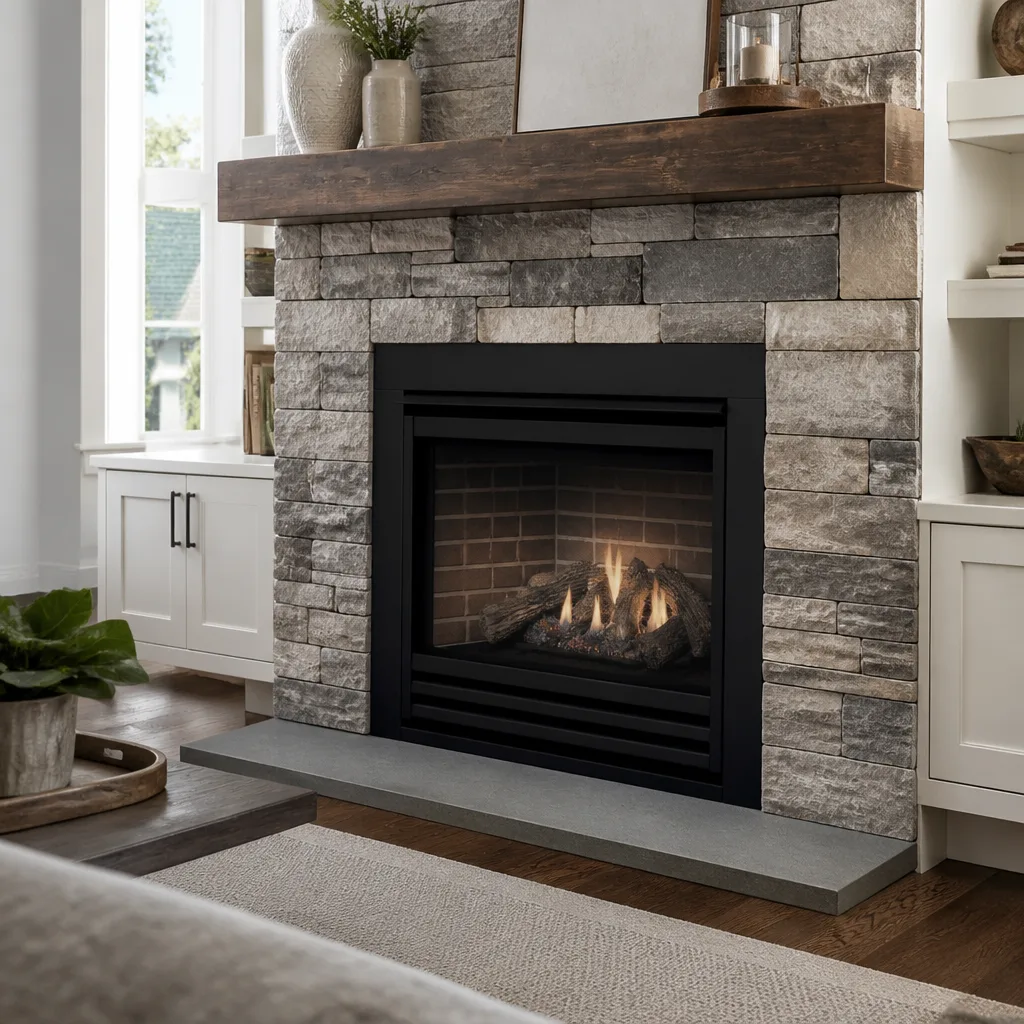 Gas fireplace service
Level 1 sweep and inspection to the NFPA 211 annual standard - flue, crown, cap, and flashing checked and photographed
Chimney sweep logs do not sweep chimneys. They loosen some creosote - which then falls where a brush and vacuum still have to collect it.
Seasonal Chimney Cleaning Care for Ballantyne: Year-Round Homeowner’s Guide
Most of the chimney damage we find in Ballantyne in October wasn’t caused in October. It was caused in July, when the fireplace sat idle and the flue drew warm, humid air for weeks on end. The burn season gets all the attention, but a chimney in Ballantyne lives through four distinctly different environments each year, and each one stresses a different part of the system. This guide walks through all four: what’s actually happening to your chimney in spring, summer, fall and winter, and how to build a simple twelve-month calendar so service calls land where the risk is, not where the calendar on the fridge happens to have room.
Quick Answer
Seasonal chimney care in Ballantyne means sweeping before your first fire in fall, verifying the flue is sound in spring, and keeping moisture out of the masonry through the humid summer months. Most homes here need one professional sweep and inspection a year, timed to late summer or early fall, plus a mid-season check when burning is heaviest. Spring and summer are for moisture control and exterior assessment, not cleaning.
Styles & brands we work with
- Sweep & inspection
- Caps & crowns
- Flue relining
- Masonry repair
- Gas fireplace service
Table of Contents
- Why Ballantyne’s Climate Squeezes Four Seasons Out of One Chimney
- Summer: The Idle Months That Do the Most Damage
- Fall: The Pre-Season Sweep and Inspection Sequence
- Winter: Mid-Season Checks While You’re Burning
- Spring: Post-Season Assessment and Storm Cleanup
- How to Build a Twelve-Month Chimney Calendar
- What Each Season’s Trouble Signs Look Like
- Common Mistakes to Avoid
- When to Call a Professional
Why Ballantyne’s Climate Squeezes Four Seasons Out of One Chimney
A chimney in Ballantyne works under a specific set of conditions that differ from the mountain towns to our west and the coast to our east. Our summers run long, hot and humid. Our winters are short and mostly mild, but they are punctuated by hard freezes that arrive fast, often after days of rain, and then let go again. The burn season here is compressed: most households fire up somewhere around the first real cold snap and shut down by early spring, which means creosote accumulates in a shorter window at higher intensity than in colder climates where people burn steadily for six months.
Those cycles matter because masonry and metal respond to them. Brick and mortar absorb moisture when the air is wet and the fireplace is cold, then expand when that moisture freezes. Flexible stainless liners and their connections experience the same temperature swings from a different angle. A cap that sits in full sun for a summer then gets hit with a January ice event takes on a very different load than one that never dried out in the first place.
So the seasonal advice that circulates nationally, “sweep in the fall and you’re done,” leaves three-quarters of the year unmanaged. In our experience across Ballantyne, the homes that need the least structural repair are the ones where somebody looked at the chimney in July and in April, not just in October. We treat the fireplace as a system, and a system needs attention in every mode it operates in: burning, resting, drying out, and weathering.
If you’re starting from zero, the best first step is still the annual chimney sweep. Everything else in this guide builds on top of a clean, inspected flue.
Summer: The Idle Months That Do the Most Damage
Summer is when the damage that shows up in October gets set. The fireplace is cold, the damper is usually closed, and the flue is full of the previous season’s soot and creosote. Add Ballantyne’s humid air and weeks of inactivity, and you have the three conditions that drive most of the problems we find: efflorescence, spalling, and liner condensation.
Efflorescence is the white, chalky staining that creeps across exterior brick and sometimes appears indoors around the firebox. It’s the visible sign that moisture is moving through the masonry, carrying dissolved salts to the surface and leaving them there when the water evaporates. On its own it isn’t structural, but it’s a reliable early warning that water is getting into places it shouldn’t.
Spalling is the next stage. When moisture trapped inside brick freezes and thaws repeatedly, the face of the brick pops off. Once spalling starts, the masonry is actively deteriorating, and the fix gets bigger the longer it’s ignored. Summer is the season to catch it, because that’s when you can actually see the surface clearly and get it sealed before the first freeze.
Liner condensation is the one most homeowners never spot. In a cold, idle flue, the moisture in summer air condenses on the inside of the liner and any soot film that’s left there. Creosote plus moisture is acidic, and over a season that can attack the liner surface. This is one of the reasons we push a sweep before summer, not just before fall, on homes with a heavy burn history.
What to do about it
- Schedule a sweep before the fireplace goes fully idle, so the flue isn’t resting under a layer of soot.
- Walk the exterior in dry weather and look for efflorescence, cracked mortar joints, and any brick face that looks chipped or flaking.
- Check that the chimney cap is intact and the screen is attached. A cap that’s come loose lets rain straight down the flue.
- Look at the crown, the sloped concrete cap at the very top, for cracks. Rain getting through a cracked crown is a leading cause of interior masonry moisture.
- Keep up with gutters and grading near the chimney so water moves away from the base.
If your crown or cap is showing its age, the work is worth doing with manufacturer-matched materials. Our chimney cap & crown work uses Gelco and Famco products so the fit and weatherproofing are verified, not improvised.
Fall: The Pre-Season Sweep and Inspection Sequence
Fall is when everyone calls, and it’s for good reason. This is the last checkpoint before the fireplace starts seeing daily use. But “get a sweep” is only half the sequence. The order matters, and doing it in the right order is what makes the pre-season visit worth the money.
Here’s the sequence we recommend for a Ballantyne home heading into burn season:
- Sweep the flue first. A clean flue is the only way to properly inspect it. A sweep is only as good as the inspection that comes with it, and we look while we clean.
- Run a Level I inspection on a flue that’s clean, accessible, and hasn’t had a problem before. This is a visual check of the accessible portions of the chimney, firebox, damper and connector.
- Move to a Level II inspection if anything looks off, if the home is new to you, if there’s been a chimney fire, or if the liner is older. A Level II includes a camera run of the flue, and it’s the only way to see what’s happening inside the liner.
- Test the damper and smoke shelf. A damper that doesn’t seat means heat loss and smoke problems all season.
- Confirm the cap, crown and flashing are watertight before the weather turns. Fall is the right window to fix them because you still have dry, mild days to work with.
- Check carbon monoxide detectors and test them. This is a five-minute job that belongs on the same checklist as the chimney.
Timing this sequence matters in Ballantyne because the burn window here is short. If you wait until the first cold snap to book, you’re competing with every other homeowner doing the same thing, and you’re the most likely to be the one who ends up inspecting the chimney by flashlight. Aim for late summer or early fall, ahead of the crowd.
If the inspection turns up a liner that’s deteriorated, flexible stainless is often the answer for older homes with offset flues. DuraFlex liner systems are what we use because rigid liners can’t negotiate the bends that older Ballantyne homes often have. In some cases, a full reliner isn’t necessary: HeatShield ceramic liner resurfacing can restore a liner that’s still structurally sound and add years to its life without the cost or disruption of a full replacement. That’s a service most generalists don’t offer, and it’s worth asking about before you accept a reliner quote.
Winter: Mid-Season Checks While You’re Burning
Once the fireplace is in regular use, creosote accumulates fastest. Every fire deposits a fresh layer of it on the flue walls, and the amount depends on what you’re burning, how hot the fire runs, and how often. In a Ballantyne winter, where burning is concentrated into a shorter stretch, the accumulation rate can be steeper than homeowners expect from a few months of use.
You don’t need a full sweep in the middle of the season. What you need is a quick check, and knowing what to look for:
- Smoke backing into the room. A fireplace that drafted fine in November but smokes in January is telling you something has changed. Common causes include a partially blocked flue, a damper that isn’t fully open, or a creosote buildup that’s narrowed the flue.
- A stronger, sharper smell. Creosote has a distinct odor, and it gets more pronounced as the deposit thickens. If the smell is stronger than it was earlier in the season, that’s a signal.
- Visible creosote at the damper. If you can see a thick, glossy or tar-like coating at the damper or the top of the firebox, the accumulation down the flue is likely heavier.
- Unusual noises or a rumbling sound during a fire. That can be a warning sign of a chimney fire. If you suspect one, get out, call the fire department, and don’t use the fireplace until it’s been inspected.
- Carbon monoxide detectors going off or reading elevated. Treat this as an emergency and evacuate.
Any one of these is a reason to stop burning and get a professional out. The rest of the season, keep your fires hot and use dry, well-seasoned wood, which produces less creosote than green or wet wood. Store firewood outside and away from the house.
Spring: Post-Season Assessment and Storm Cleanup
Spring is the season for looking back at what winter did. The fireplace is done for the year, the weather is reasonable, and the chimney can be assessed properly. This is when the marginal freezes and the spring storms get sorted out.
Three things worth checking every spring in Ballantyne:
Storm damage. Spring storms bring wind and rain, and the chimney is one of the most exposed parts of the house. Look for shifted caps, cracked crowns, missing flashing or flashing that’s pulled away from the roof, and loose mortar. Hail is uncommon here, so what you’re really looking for is wind and water damage, not impact damage.
Bird nesting in the cap. Birds are persistent, and a cap with a damaged or missing screen is an open invitation. A nest in the flue is a serious fire hazard and also blocks the flue. If the cap screen is compromised, get it fixed before nesting season is in full swing.
Masonry damage from marginal freezes. The freeze-thaw cycle is the enemy here, and a mild winter with several hard freezes does more damage than a cold winter with one long freeze. Spring is when the spalling and the cracked joints show up most clearly. Get them sealed or repointed before summer rains get into the same channels.
Spring is also the right time to sort out any interior problems that need repair, when the work won’t interfere with the burn season. If your firebox, damper or hearth needs attention, our fireplace repair service covers it, and getting it done in spring means the fireplace is ready to go by the time you want to light it.
How to Build a Twelve-Month Chimney Calendar
A chimney calendar isn’t about scheduling more service. It’s about matching each service call to the season when the work makes sense, so you’re not paying for the wrong thing at the wrong time or discovering a problem after it’s had months to get worse. Here’s a straightforward calendar that maps to the actual risk in Ballantyne:
| Month | Focus | Action |
|---|---|---|
| Late summer (Aug-Sep) | Pre-season prep | Annual sweep and Level I inspection; book ahead of the fall rush |
| Early fall (Sep-Oct) | Seal up | Cap, crown and flashing check and repair; damper test; carbon monoxide detector test |
| Winter (Dec-Feb) | Mid-season watch | Know the warning signs; stop burning and call if any appear |
| Early spring (Mar-Apr) | Post-season assessment | Storm damage, cap and screen check, bird nesting, masonry inspection |
| Late spring (Apr-May) | Repairs | Repoint masonry, seal spalling, handle fireplace repairs before summer |
| Summer (Jun-Aug) | Moisture control | Watch for efflorescence and spalling; keep gutters clear; check the crown |
On a home that’s new to you, or one that hasn’t been serviced in a few years, the first year of the calendar should open with a Level II inspection so you know exactly what you’re starting with. After that, a Level I each fall is usually enough, with a Level II on any trigger event: a chimney fire, a change in how the fireplace performs, a new appliance connection, or a structural change to the chimney.
The one time-sensitive item on this calendar is the fall pre-season sweep. Everything else can flex a few weeks. That sweep can’t, because it has to happen before the first real fire, and once the cold snap arrives the schedule fills up fast.
What Each Season’s Trouble Signs Look Like
Most chimney problems announce themselves quietly and seasonally. Knowing which season produces which sign is the difference between catching something small and catching it after it’s structural.
Summer signs
- White chalky staining on exterior brick (efflorescence)
- Flaking or chipped brick faces (spalling)
- Musty smell from the firebox or the room the fireplace is in
- Cracked or crumbling crown at the top of the chimney
- Staining on the ceiling or wall near the chimney chase
Fall signs
- Smoke that doesn’t draw well on the first fire of the season
- Strong creosote odor even before you light anything
- Damper that sticks or doesn’t seat
- Visible soot or creosote at the damper or firebox throat
- Loose or missing cap screen
Winter signs
- Smoke backing into the room during a fire
- A sharper creosote smell as the season progresses
- Thick, glossy or tar-like coating at the damper
- Rumbling or unusual noise during a fire
- Carbon monoxide detector alerts
Spring signs
- Shifted or missing chimney cap
- Flashing pulling away from the roof
- Bird activity at the top of the chimney
- New cracks in the mortar joints
- Fresh spalling after a winter with hard freezes
If you see more than one sign in the same season, that’s a pattern, not a coincidence. A professional inspection is the right call, and it’s usually the cheapest way to find out what’s actually happening. Our technicians have up to 13 years of experience reading exactly these patterns in Ballantyne homes.
Common Mistakes to Avoid
- Treating a sweep as a once-a-year fall event and forgetting the chimney for the other eleven months. The idle seasons are when moisture, spalling and liner issues develop. Skipping them is why problems get big.
- Waiting until the first cold snap to book. In Ballantyne, that’s when everyone calls at once, and scheduling gets tight. Book in late summer so you’re not doing the inspection in a hurry.
- Assuming the cap is fine because it looks fine from the ground. Caps take wind, sun and rain all year. A cracked crown or a loose screen isn’t obvious from the yard, which is why the fall check is a professional one.
- Skipping the mid-season check because “it’s only been a few months.” A short burn season concentrates creosote. A few months of heavy use can build a heavier deposit than a full season of light use.
- Accepting a reliner quote without asking whether resurfacing could work. HeatShield ceramic liner restoration can extend the life of a sound liner without the cost or disruption of a full reliner. Ask before you accept.
- Letting a general handyman handle liner work. Liner systems like DuraFlex and cap and crown materials like Gelco and Famco are what professional chimney contractors rely on, and the installation details matter. This isn’t a job for a one-task crew.
- Ignoring a bird nest or a damaged cap screen through spring. A nest in the flue is a fire hazard and blocks the flue. Fix it before it becomes a summer project.
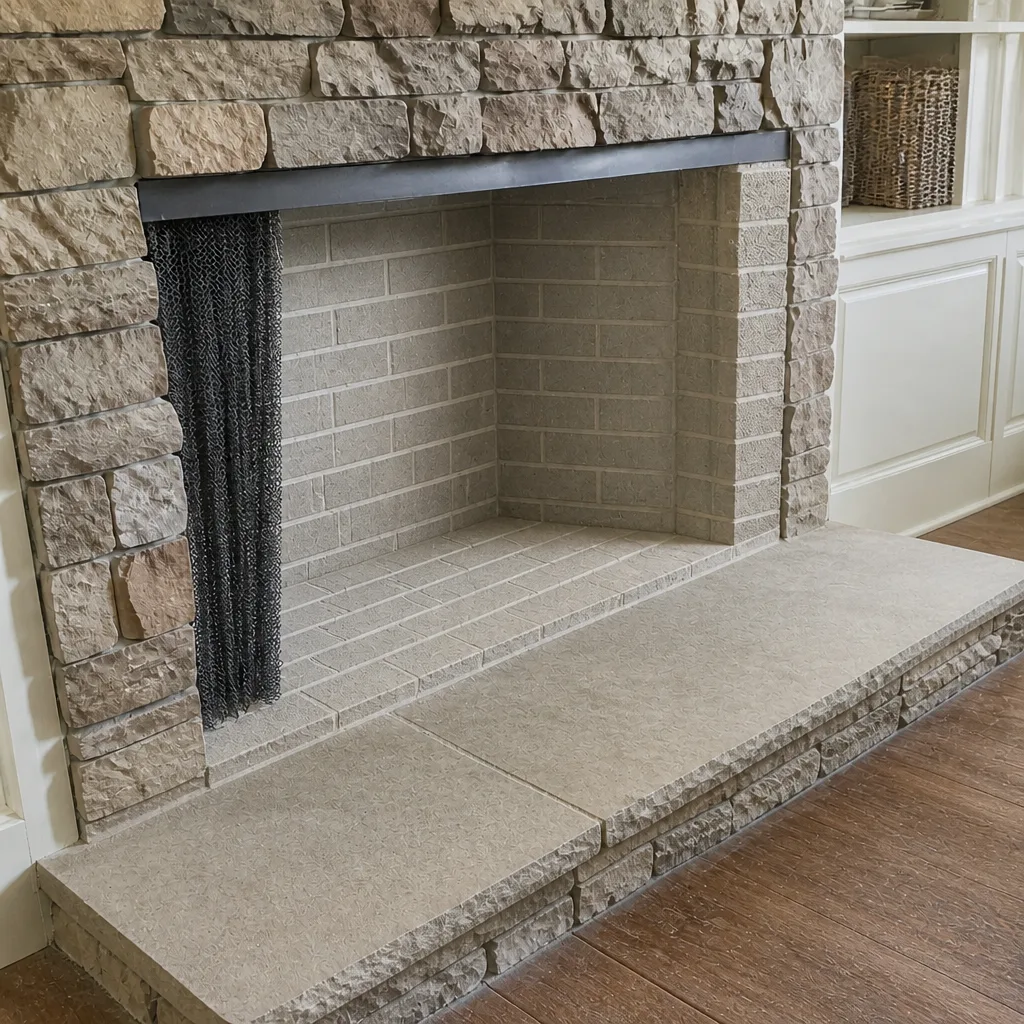
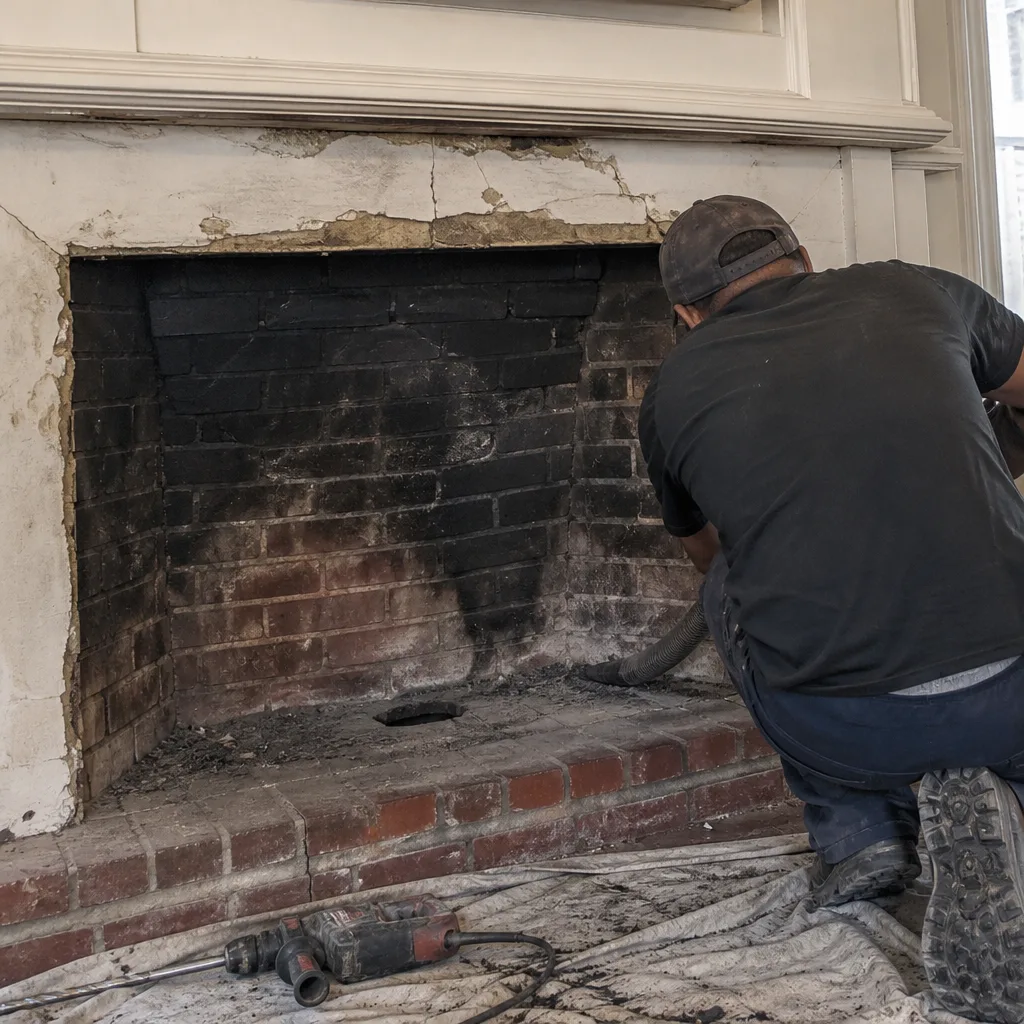
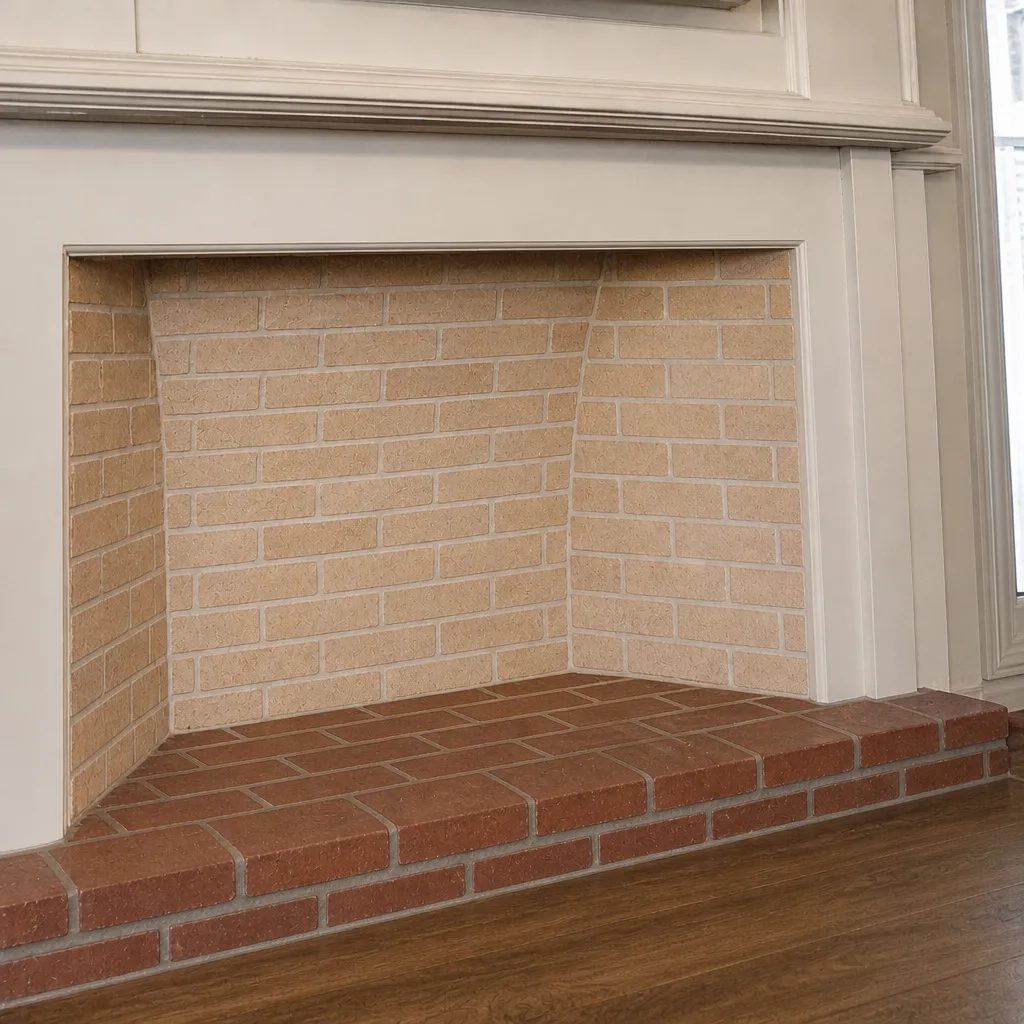
See the difference
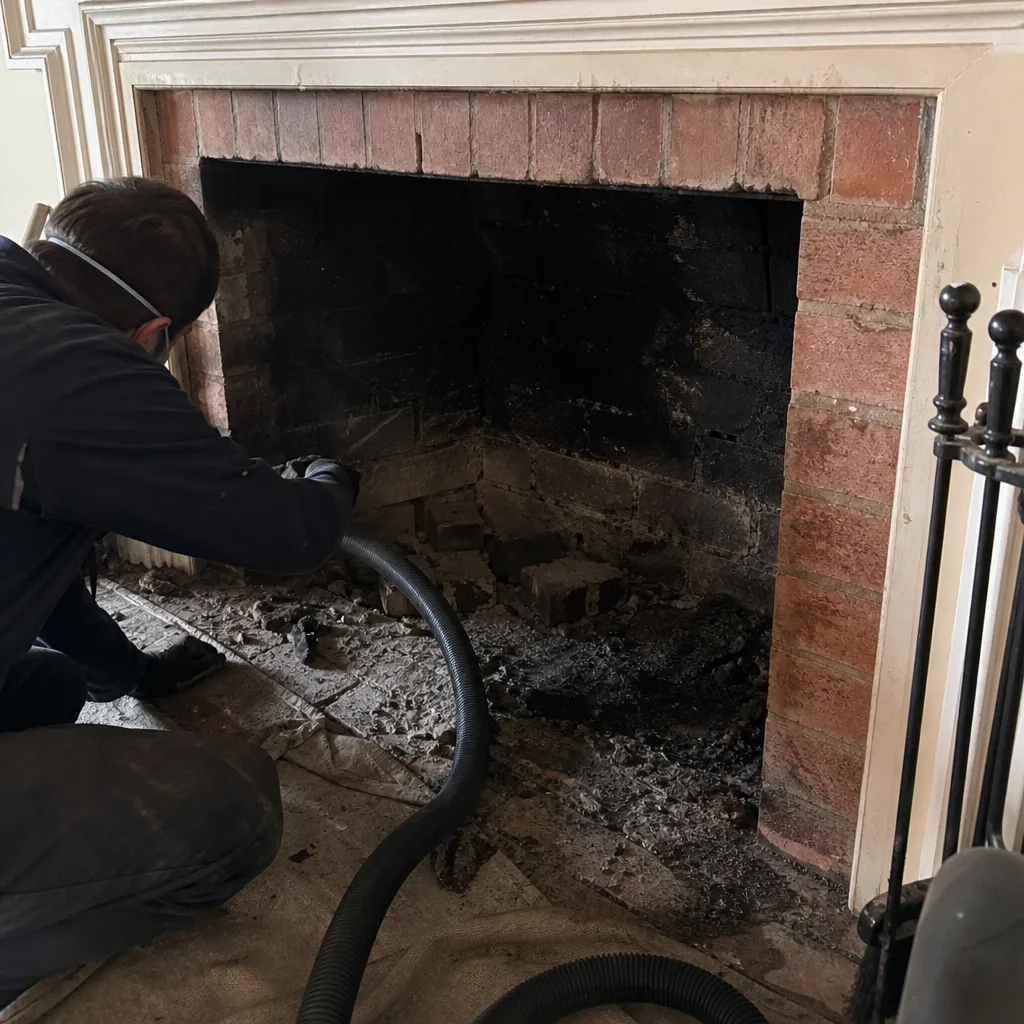 Before
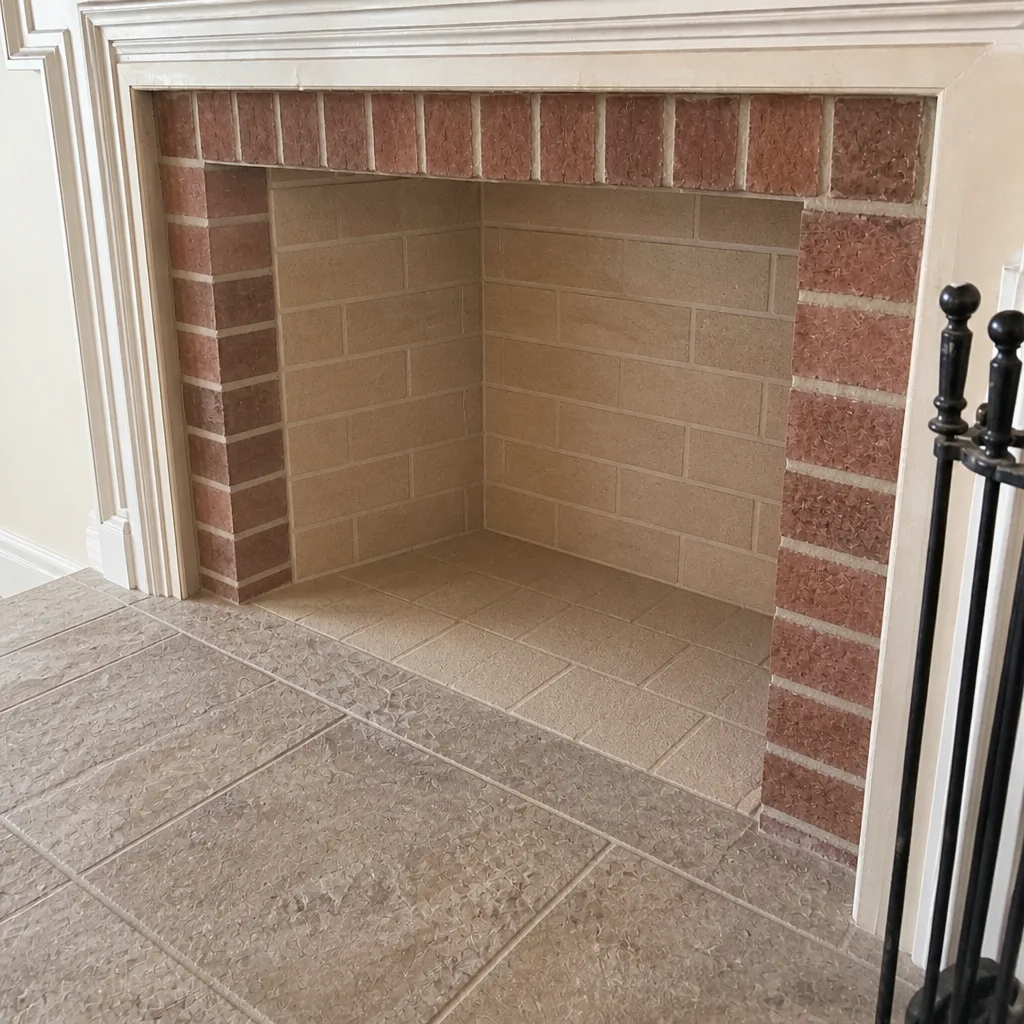 After
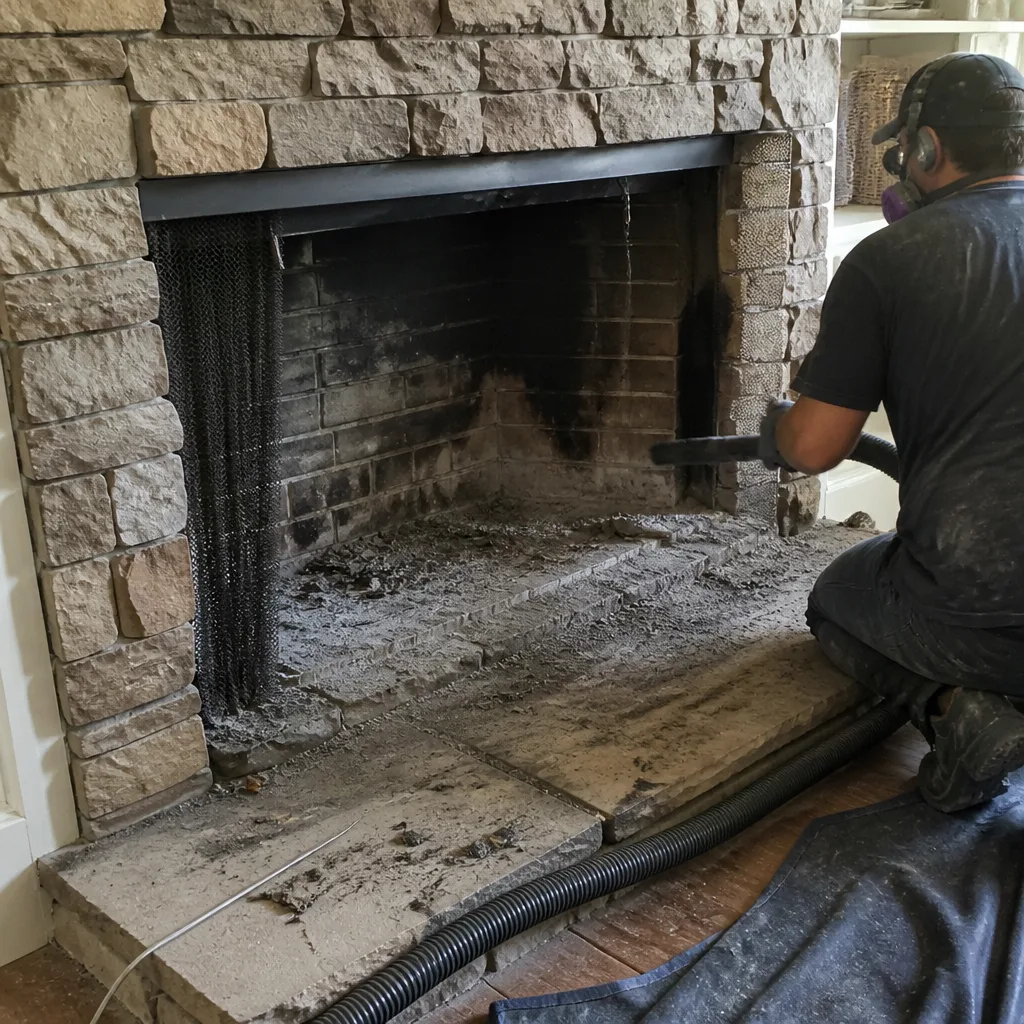 Before
 After
 Before
 After
When to Call a Professional
Some chimney work is seasonal maintenance; some is a stop-what-you’re-doing call. Call a professional right away if you smell creosote strongly, if smoke backs into the room during a fire, if you hear rumbling during a fire, if your carbon monoxide detector alerts, or if you see visible creosote buildup at the damper. Call us to book a visit if you’ve moved into a home in Ballantyne and don’t know your chimney’s history, if it’s been more than a year since the last sweep, if you’re seeing efflorescence or spalling on the exterior, or if your cap or crown looks compromised. Chimney Sweep Ballantyne offers free estimates in Ballantyne. Call (888) 495-1677. We answer 24/7. Fast dispatch from 7am to 7pm, Sunday through Friday.
Frequently Asked Questions
Most Ballantyne homes need one professional sweep a year, timed to late summer or early fall before the burn season starts. Homes with heavy use or a history of creosote buildup may need a mid-season check. Call (888) 495-1677 for an exact quote. Estimates are free.
Creosote builds up on the flue walls, and heavy deposits are a chimney fire risk. Skipping the sweep also means skipping the inspection that goes with it, so small problems like a cracked crown or a deteriorating liner don’t get caught until they’re bigger. Call (888) 495-1677 to book a sweep and inspection.
Not always. A liner that’s sound but worn can sometimes be restored with HeatShield ceramic resurfacing instead of a full reliner. The only way to know is a Level II inspection with a camera run of the flue. Call (888) 495-1677 for an inspection and a straight answer.
Yes. Ballantyne’s humid summers drive moisture into masonry and condense inside a cold, idle flue, which is how efflorescence, spalling and liner condensation start. A sweep before the fireplace goes idle and an exterior check in dry weather are the two best summer moves. Call (888) 495-1677 to schedule one.
You can look at what’s visible from the ground and from inside the firebox, and you should. But a proper inspection requires access to the flue, the crown, the cap and the flashing, and a Level II requires a camera. That’s professional work, and it’s the only way to see inside the liner. Call (888) 495-1677 to book one.
A fireplace that drafted well early in the season and smokes later is usually showing a change inside the flue, most often creosote accumulation or a partial blockage. Stop using it and get it inspected. Call (888) 495-1677 to schedule a mid-season check.
The Bottom Line
A chimney in Ballantyne runs on a four-season cycle, and each season needs a different kind of attention. Summer is for moisture control and exterior watch. Fall is for the pre-season sweep and inspection, done in the right order and booked ahead of the cold snap. Winter is for knowing the warning signs and stopping when something changes. Spring is for post-season assessment and repairs. If you build a twelve-month calendar around those four seasons and put the annual sweep at the top of it, you’ll catch small problems while they’re still small, and your fireplace will be ready to go every fall. Chimney Sweep Ballantyne handles the full cycle: sweeping, Level I, II and III inspections, cap and crown, liner repair and relining, and structural fireplace work, all performed by our in-house technicians. One call covers it, no juggling multiple contractors.
Whether you’re due for the annual sweep or you’re not sure your chimney has ever been looked at, start there. Visit Chimney Sweep Ballantyne to see what we cover, and call (888) 495-1677 for a free estimate. We answer 24/7. Fast dispatch from 7am to 7pm, Sunday through Friday.
Written by the team at Chimney Sweep Ballantyne.